
Gluten-free regulation UK compliance has become a commercial imperative, with the hospitality industry missing out on £100 million worth of business annually. More, 74% of consumers would eat out more often if assured of safe gluten-free options, whilst 84% trust the Coeliac UK symbol at the time choosing where to eat. Food businesses need to understand EU regulation gluten free standards and food labelling regulations UK requirements, including the 20ppm threshold. This piece covers gluten free labelling UK obligations and the gluten free logo UK certification process. It also explains testing protocols, manufacturing controls and compliance expectations for businesses operating in the gluten-free market.
Understanding Gluten as a Regulated Allergen in the UK
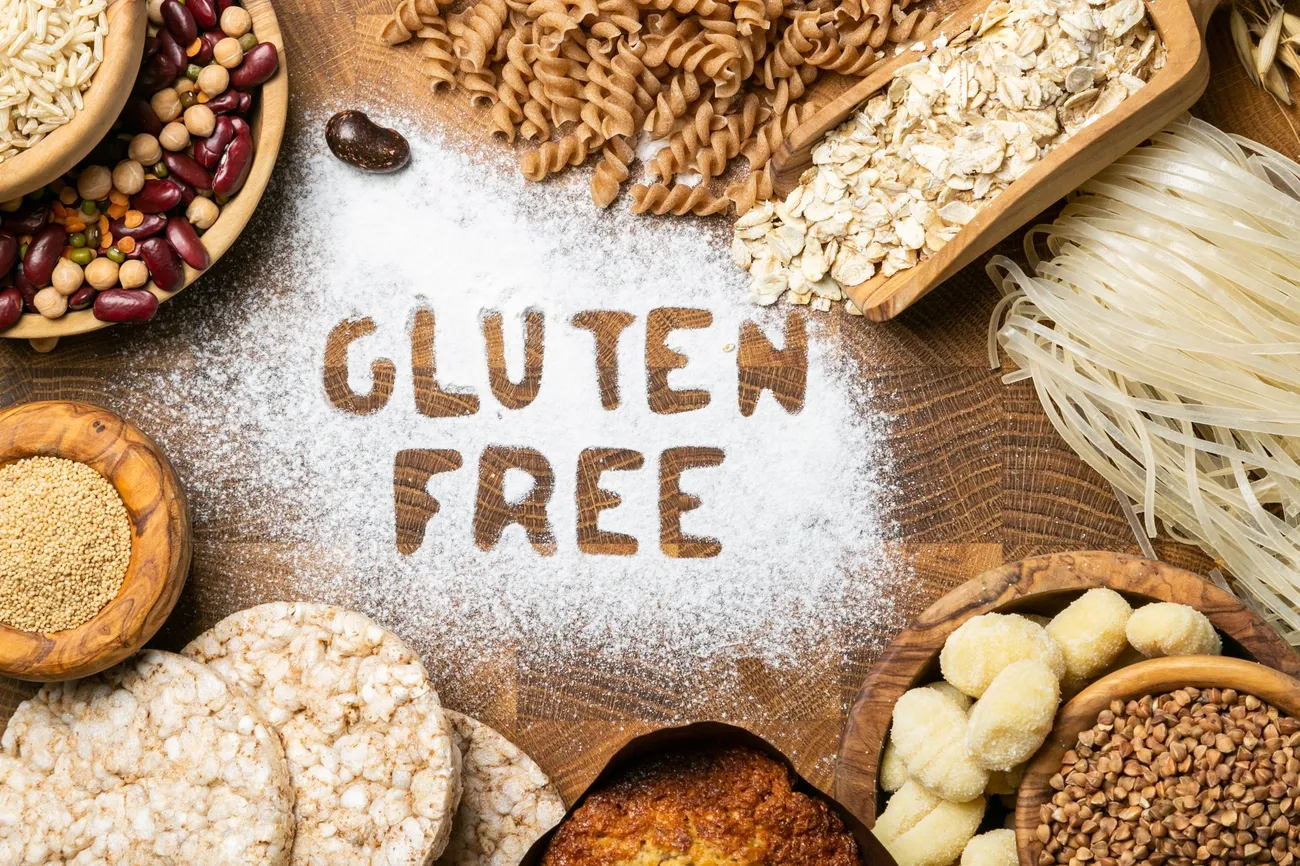
Image Source: Coeliac UK
Understanding Gluten as a Regulated Allergen in the UK
What is Gluten and Why Does It Matter?
Gluten serves as the collective name for storage protein fractions found in wheat and related cereal grains. These proteins comprise prolamins and glutelins. They remain insoluble in water and make up about 80% of total protein in most cereals [1]. Short peptides within these gluten proteins trigger the intestinal damage mechanisms in people with coeliac disease [1].
Cereals containing gluten rank among the 14 allergens UK food businesses must declare when present as ingredients under UK food allergen regulations [2]. This regulatory framework extends beyond prepacked foods and covers catering establishments. Businesses must inform customers about allergen presence across all food provision channels [3].
Prolamins represent the main storage proteins responsible for immune reactions in coeliac disease. They vary by cereal source [1]. Certain proteins found in cereal grains can trigger allergic responses distinct from coeliac reactions, including non-gluten proteins [1]. This dual risk profile makes clear allergen communication and reliable food allergen control UK systems necessary.
Coeliac Disease vs Wheat Allergy: Core Differences
Coeliac disease operates as a lifelong autoimmune condition caused by gluten reaction. It affects about 1% of the population [4]. The condition triggers the body to attack its own small intestinal cells in gluten’s presence and leads to inflammation and nutrient malabsorption [5]. Coeliac disease does not qualify as a food allergy or intolerance [1].
Wheat allergy affects roughly 0.2% of the population through an IgE-mediated immune response [4]. The condition produces immediate reactions to various cereal proteins, including non-gluten varieties [1]. Wheat allergy symptoms extend beyond gastrointestinal issues. They include respiratory complications, skin reactions such as hives and potential anaphylaxis [4][2]. Children outgrow wheat allergies around age 16 commonly, whilst coeliac disease remains permanent [4].
The critical difference lies in physical damage. Coeliac disease causes measurable intestinal damage through autoimmune processes. Doctors can identify it via specific antibodies and bowel biopsies [3]. Wheat allergy produces allergic reactions without intestinal damage but carries anaphylaxis risk [1]. Non-coeliac gluten sensitivity produces symptoms without immune system participation or physical harm. It affects up to 10% of the population [4][2].
Cereals Containing Gluten Under UK Law
Retained EU Regulation 1169/2011 defines cereals containing gluten as wheat (including varieties such as spelt and khorasan wheat), rye, barley, oats and their hybridised strains [2][1]. Wheat encompasses any Triticum species, including durum wheat, spelt and khorasan wheat [1]. Buckwheat falls outside this definition as it belongs to a different genus [1].
Hybridised strains require specific cereal references in labelling. Spelt and khorasan wheat must emphasise their wheat origin, formatted as ‘spelt (wheat)’ or ‘Khorasan wheat’ [2][1]. Triticale requires similar treatment, being a wheat-rye hybrid [2]. These varieties remain unsuitable for coeliac disease management despite marketing suggesting otherwise [1].
Oats hold unique regulatory status. The law classifies them as cereals containing gluten due to cross-contamination risks and avenin protein content. However, uncontaminated oat products meeting the 20ppm threshold may bear gluten-free labels [2]. The term ‘oats’ still requires emphasis in ingredients lists whatever the gluten-free status [2][2].
Four ingredients derived from cereals containing gluten receive exemption from allergen emphasis due to gluten removal during processing: wheat-based glucose syrup (including dextrose), wheat-based maltodextrins, glucose syrups based on barley and cereals used for alcoholic distillates [2]. These processing methods eliminate gluten content below detectable thresholds.
The Legal Definition of Gluten-Free in the UK
The 20ppm Standard Explained
Foods voluntarily labelled as ‘gluten-free’ must contain no more than 20 mg/kg of gluten in the food as sold to the final consumer under Commission Implementing Regulation (EU) No. 828/2014 [6]. This quantitative limit, expressed as 20 parts per million (ppm), represents a scientifically validated threshold rather than absolute gluten absence [6]. The standard applies uniformly to all food categories and covers prepacked products, non-prepacked foods and restaurant service [6].
The 20ppm threshold became mandatory in January 2012 and replaced the previous Codex Standard of 200ppm, which proved insufficiently protective if you have coeliac disease [7]. Research shows this level remains non-toxic for people with coeliac disease. They can consume unlimited amounts of products that meet this specification [7]. The maximum level of 20ppm or less, agreed on internationally, gives the safety assurance needed for effective allergen control systems [7].
The legislation does not mandate testing to prove gluten-free status, though authorities expect businesses to demonstrate due diligence through verification procedures [7]. The recommended analytical method references the Enzyme-linked Immunoassay (ELISA) R5 Mendez Method, in line with Codex Standard 118-1979 [6]. This harmonisation makes sure testing protocols stay consistent with international food safety frameworks.
‘Gluten-Free’ vs ‘Very Low Gluten’ Claims
UK law allows only two standardised claims about gluten presence, each controlled by specific compositional requirements:
- Gluten-Free: Maximum 20 mg/kg gluten in the final product. No restrictions on ingredient types. Applies to foods that are gluten-free by nature, specialist products containing gluten-free wheat starch and uncontaminated oat products [7][6].
- Very Low Gluten: Maximum 100 mg/kg gluten in the final product. Must consist of or contain ingredients derived from wheat, rye, barley, oats, or their hybrids that have undergone special processing to reduce gluten content [6][6]. Made for specialist substitute products like breads and flour mixes containing gluten-free wheat starch with gluten levels between 21-100ppm [7][7].
Right now, no foods carry the ‘very low gluten’ label in the UK, though products bearing this claim exist in other European countries [7][7]. Products that contain cereals listed in Annexe II allergen requirements require emphasis of those ingredients in the ingredients list, whatever their gluten-free status [6]. This dual requirement shows the difference between gluten-free claims for coeliac disease management and allergen declaration for true cereal allergies.
Food businesses cannot use alternative descriptive phrases. Statements like ‘no gluten-containing ingredients’ or like terms became prohibited on prepacked food labels after 20 July 2016, following Food Standards Agency (FSA) guidance [6][7]. Only the prescribed claims ‘gluten-free’ and ‘very low gluten’ remain legally allowed for communicating gluten levels to consumers [6][7].
Retained EU Regulations and UK Enforcement Context
Commission Implementing Regulation (EU) No. 828/2014 is executed and enforced within England by The Gluten in Food (Information for Consumers) (England) Regulations 2017 [7]. These regulations replaced the previous Foodstuffs Suitable for People Intolerant to Gluten Regulations 2010, which enforced the earlier Commission Regulation (EC) No. 41/2009 [8][7]. Scotland, Wales and Northern Ireland put in place equivalent domestic enforcement legislation in 2016 [8].
The regulatory transition showed broader changes to EU food law. Gluten labelling rules moved from separate regulations on foods for particular nutritional uses (PARNUTS) to general food information requirements under Regulation (EU) No. 1169/2011 [7]. Regulation (EU) No. 609/2013 on foods for specific groups replaced PARNUTS provisions and narrowed the scope of specialised nutritional products [7].
The Food Standards Agency and Trading Standards authorities enforce businesses that make gluten-free claims. Failure to comply with labelling requirements has serious public health implications if you manage coeliac disease and gluten intolerance [7]. The standardisation of claims stops consumer confusion and keeps confidence that products meet health safety needs [7].
UK Food Labelling Regulations for Gluten
Image Source: Food Standards Agency
UK Food Labelling Regulations for Gluten
Food Information Regulations (FIR) Requirements
Retained Regulation (EU) No. 1169/2011, known as the Food Information to Consumers Regulation, establishes the legal framework for allergen declarations across all UK food businesses [8]. Food business operators must provide allergen information for both prepacked and non-prepacked food and drink. Staff must receive appropriate training on allergen management [8].
The legislation identifies cereals containing gluten as one of the 14 regulated allergens requiring mandatory declaration [7][8]. This requirement applies at the time these substances have been added as ingredients, processing aids, or form part of compound ingredients [6]. Different labelling rules apply depending on food presentation. Prepacked food requires ingredients lists with emphasised allergens. Prepacked for direct sale (PPDS) foods packed on-premises where sold must display full ingredients lists with allergen emphasis from 1 October 2021 [9].
How to Label Cereals Containing Gluten on Packaging
Cereals containing gluten must be declared using specific cereal names in the ingredients list: wheat (which has spelt and khorasan wheat), rye, barley, or oats [6]. The legislation requires emphasising the cereal name through different font, style, or background colour each time it appears [6][9]. Wheat-derived ingredients require formatting such as ‘wheat starch’ or ‘barley malt extract’ [6].
The regulatory framework prohibits emphasising only ‘gluten’ for allergen labelling purposes [6][6]. Gluten appears as an ingredient at times, and businesses must emphasise the cereal source. Format it as ‘wheat gluten’ rather than standalone gluten references [6]. The voluntary inclusion of ‘gluten’ in parentheses after the cereal name remains permitted but constitutes poor practise. It encourages reliance on the term ‘gluten’ rather than the actual cereal source [6].
Industry best practise recommends an ‘Allergy Advice’ statement such as ‘For allergens see ingredients in bold’ [6]. Additional ‘Contains’ boxes are not permitted on prepacked foods except where no ingredients list exists [6].
Precautionary Allergen Labelling and Gluten-Free Claims
Precautionary allergen labelling (PAL) provides voluntary information about unintentional allergen presence following risk assessment [7]. Food businesses should apply PAL only at the time genuine cross-contamination risk exists that cannot be removed through risk management actions [7]. Acceptable wording has:
- “may contain wheat”
- “made on a line handling wheat”
- “not suitable for consumers with a wheat allergy” [7][9]
Generic statements such as “may contain allergens” could be deemed misleading. They fail to specify which of the 14 regulated allergens pose risks [7]. Businesses cannot combine precautionary allergen labelling with free-from statements for the same allergen [7][7]. But ‘gluten-free’ statements differ from absolute free-from claims. A product may carry both ‘gluten-free’ and ‘may contain wheat (cereal)’ labels at the time cross-contamination risk exists but testing demonstrates gluten levels below 20mg/kg [6].
Common Labelling Mistakes to Avoid
Food businesses misuse ‘No Gluten Containing Ingredients’ (NGCI) terminology often. Businesses cannot apply NGCI labels to individual products or menu dishes on both packaged foods and restaurant menus since February 2018 [9]. The Food Standards Agency recommends using only ‘gluten-free’ or ‘low gluten’ phrases [7]. NGCI may appear solely as section titles for product groups, such as menu category headings [9].
Excessive precautionary allergen labelling limits consumer choice and devalues warnings for those with genuine food allergies unnecessarily [7]. Using PAL at the time no genuine risk exists constitutes misleading food information under general food law [7]. Businesses must conduct full risk assessments before applying any precautionary statements. Good hygiene practises are the foundations rather than using PAL as a substitute [7].
Coeliac UK Certification and the Crossed Grain Symbol
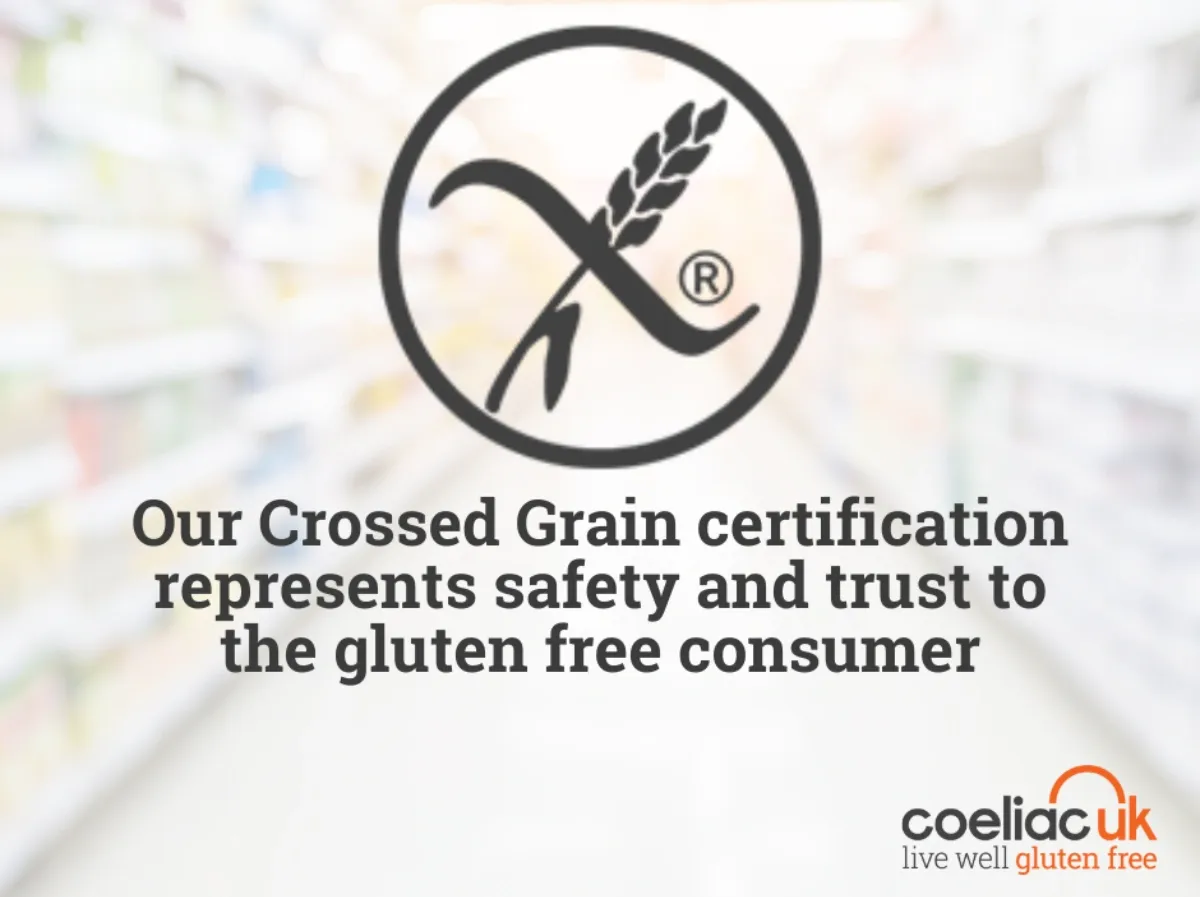
Image Source: Coeliac UK
Coeliac UK Certification and the Crossed Grain Symbol
What is Coeliac UK Licencing?
Consumers shopping for gluten-free products face challenges. They must scrutinise lengthy ingredients lists and assess manufacturing processes. The Crossed Grain Trademark certification scheme addresses this burden and provides verified product safety beyond legal requirements [6]. This voluntary licencing programme permits manufacturers and brand owners to display the distinctive symbol on products that meet rigorous verification standards [6].
The symbol carries historical significance. Michael Carpenter, husband of a Coeliac UK member, designed the Crossed Grain mark during the late 1960s and generously gifted the copyright to the charity [6]. Five decades later, the trademark maintains international recognition amongst those following gluten-free dietary requirements. Coeliac UK owns the copyright and trademark registrations that protect it [6].
The certification operates under the Association of European Coeliac Societies (AOECS) framework and establishes a globally registered trademark available only under licence [7]. Products that bear this mark undergo independent verification. This extends beyond standard allergen control procedures and includes scrutiny of gluten analysis certificates and manufacturing audits [6]. Manufacturers receive consultancy support. This ensures on-pack messaging and labelling meets legal requirements while keeping certification standards [6].
Benefits of the Gluten-Free Logo UK Scheme
Consumer research demonstrates substantial commercial value in certification. 76% of gluten-free consumers actively seek products that carry the Crossed Grain trademark at the time they make purchasing decisions [6]. Member surveys confirm the symbol functions as the most important means of communicating product safety. It provides trust and reassurance during product selection [6].
The certification programme has licenced over 23,000 gluten-free products verified as safe. More than 21,000 products display the mark in European countries [7][10]. Major UK manufacturers including Warburtons and Nairn’s attribute commercial success to the scheme. Warburtons’ free-from director confirms the trademark has been instrumental since their gluten-free range launch in 2011. The benefits to manufacturers, retail partners and consumers cannot be underestimated [6].
The mark provides certainty beyond the wording ‘gluten-free’ on packaging and plays a decisive role in purchase behaviour [6]. The symbol offers competitive differentiation for manufacturers. It demonstrates commitment to the gluten-free community [7]. The scheme distinguishes certified products from those that make simple legal claims. Independent third-party verification builds brand credibility [7].
Requirements for Achieving Certification
Manufacturers who seek certification must present evidence of gluten-free quality through test results from recognised laboratories. AOECS recommends using accredited laboratories for verification testing [7]. Products must maintain gluten content at a maximum of 20ppm throughout all manufacturing stages, not solely in finished goods [7].
Annual audits of manufacturing facilities constitute mandatory certification requirements. Auditors qualified according to AOECS standards must conduct these inspections, such as those certified to audit the BRC Global Standard for Food Safety [7]. The audit process examines manufacturing processes and segregation protocols. It also reviews contamination prevention measures to ensure ongoing compliance [6].
Manufacturers receive permission to use the symbol across all approved product packaging once awarded. This includes marketing materials, websites, point of sale displays and promotional content [7]. A single licence permits symbol use on exports throughout the entire AOECS territory. This provides simplified certification for international distribution [7].
Manufacturing Controls for Gluten-Free Production
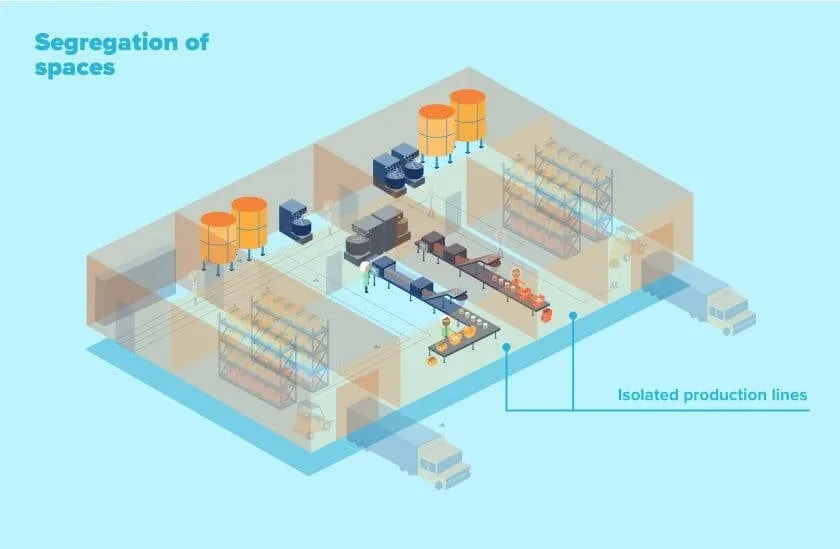
Image Source: CRB Group
Manufacturing Controls for Gluten-Free Production
Segregation Strategies in Mixed Production Environments
Food manufacturers can operate gluten-free production within mixed-use facilities through rigorous segregation protocols. Dedicated facilities eliminate contamination risks [11]. Production scheduling represents a main control method. Non-allergenic products run first and allergen-containing items follow. This minimises clean-in-place cycles between batches [12]. The sequencing approach unites gluten-free manufacturing into concentrated time blocks and reduces cross-contact risks. Cleaning resource requirements drop [9].
Physical segregation extends beyond production lines to cover storage areas. Gluten-free ingredients require dedicated shelving positioned above gluten-containing materials. This prevents cross-contamination from spillage or falling particles [11][8]. Storage containers must be marked with lidded enclosures. Businesses must demonstrate documented procedures for managing accidental flour spillage using single-use cloths for immediate cleanup [11]. Some facilities implement complete physical separation through dedicated delivery areas and specific trailers. They use separate forklifts and individual testing facilities for allergenic operations [11].
Cross-Contamination Risks and Prevention Measures
Cross-contamination occurs when gluten-free products contact gluten-containing substances during storage, preparation, or service [8][8]. Flour dust presents the most important contamination vector in facilities processing cereals. Airborne particles settle on surfaces, utensils, and products [13]. Gluten-free flour manufacturing requires assessment of dust control equipment and practises. Potential solutions include physical dividers or curtain barriers between production areas [9].
Personnel controls constitute critical prevention measures. Food handlers must wash hands before gluten-free preparation and between handling different product types. Staff clothing protocols vary based on contamination risk [11]. Employees rotating from gluten-containing production lines to gluten-free operations must follow decontamination procedures. These include protective clothing changes such as smocks, hair nets, and beard nets [13]. Facilities must never permit staff to launder smocks at home. Colour-coded protective equipment helps distinguish gluten-free production personnel [13].
Cleaning Validation and Allergen Control Procedures
Gluten management that works requires HACCP-based methodologies. These cover identification, prevention, and control throughout the supply chain [14]. All food businesses preparing gluten-free products must maintain documented Food Safety Management Systems. These address gluten hazards across ingredient supply, cross-contamination controls, cleaning procedures, and monitoring at critical control points [11].
Cleaning validation follows a worst-case scenario approach. It selects targets present at high protein levels that prove difficult to remove from production lines [7]. Industry best practise recommends repeating validation exercises three times. This achieves non-detectable results across all post-clean samples and next-off-line products in consecutive rounds [7]. ELISA testing provides the recommended quantitative method for allergen cleaning validation. These tests detect proteins causing allergic reactions rather than DNA markers [7]. Equipment cleaning doesn’t require specialised gluten-removal methods. Businesses must identify hard-to-reach areas and materials such as cloth conveyor belts that conceal food particles [9].
Supplier Approval and Ingredient Verification
Supplier management begins with detailed risk assessment. This explores ingredient nature, manufacturing location, factory environment, and transport routes to establish cross-contamination likelihood [11]. Businesses must conduct systematic ingredient checks to monitor incoming products. This ensures gluten content changes receive identification [11]. Packaging that arrives damaged with potential contamination risk requires return to suppliers [11].
Supplier assurance evidence has questionnaires addressing Food Safety Management Systems and on-site gluten ingredient usage. These cover contamination risk assessments and third-party certifications such as BRC, IFS, or FSSC 22000 [11]. This systematic approach to supplier verification ensures ingredient integrity from farm to processing facility [11].
Testing and Verification for Gluten-Free Standards
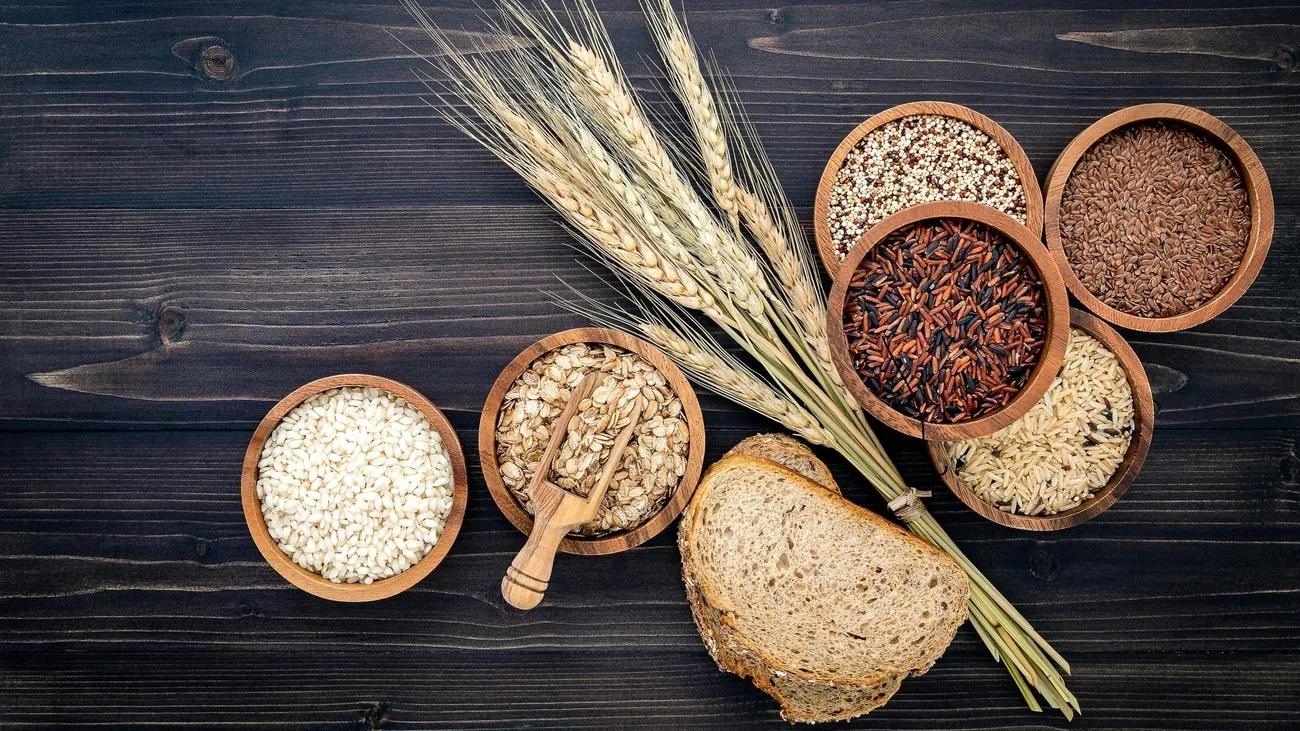
Image Source: Hygiena
Testing and Verification for Gluten-Free Standards
ELISA Testing Methodology
Several quantitative commercial methods exist for detecting gluten residues in foods. Enzyme-linked immunosorbent assays represent the most commonly used approach [15]. These ELISA-based methods are simple, fast and reliable in detecting gluten at the 20ppm threshold in food types of all kinds and forms [15]. Only the R5 Méndez method has achieved recognition as a Type I defining method for gluten analysis and with good reason too. It’s designated as an AOAC Official Method [15].
ELISA systems divide into two categories: sandwich ELISA and competitive ELISA [6]. Sandwich formats sandwich antigens between immobilised capture antibodies and enzyme-coupled detection antibodies. Large antigens with multiple epitopes are required [6]. This system is unsuitable for partially hydrolysed gluten samples found in sourdough products, malt and beer [6]. Competitive ELISA addresses small-sized antigens with single epitopes. Labelled and unlabelled antigens compete for antibody binding sites [6].
The Prolamin Working Group of the Codex Alimentarius Commission endorses both R5 and G12 antibodies to test gluten contamination in raw and processed foods [6]. The G12 antibody targets immunotoxic 33-mer peptides that contain epitopes from the gliadin fraction. This establishes closer links between coeliac disease and detection of toxic peptides [16].
Rapid Test Kits and Laboratory Verification
Lateral flow devices deliver accurate results in 11 minutes, including extraction time [16]. The AgraStrip Gluten G12 test kit holds AOAC Research Institute certification for Performance Tested methods [16]. These ready-to-use devices enable on-site testing of solid and liquid foodstuffs, rinse waters and environmental samples [17].
Sampling Challenges and Testing Limitations
Heat-processed food samples present major challenges. Thermal treatment causes conformational changes that mask antibody recognition sites [6]. Alpha/beta-gliadins and gamma-gliadins lose 49 to 67% of their original reactivity after heat treatment. Omega-gliadins retain 93% reactivity [6]. Different ELISA kits yield variable results in different food matrices, especially when you have yeast extract, protein powders and complex products [15]. Subsampling differences with particulates create divergence within replicates. This shows insufficient sample sizes for homogeneous testing [15].
Frequency and Documentation Requirements
UK law does not mandate specific testing to prove gluten-free status. Authorities expect businesses to demonstrate due diligence through appropriate verification procedures though [18]. The exact testing nature depends on business type [18]. Good practise involves testing that lines up with gluten management procedures and avoids cross-contamination [18].
Compliance, Enforcement and Legal Consequences
Image Source: Learn Q
Common Compliance Failures in Gluten-Free Claims
The most prevalent compliance failure following the February 2018 prohibition on individual product NGCI labels represents misuse of ‘No Gluten Containing Ingredients’ statements [19]. Food businesses continue applying this terminology to menu items and packaged products despite FSA guidance that recommends exclusive use of ‘gluten-free’ statements where controls ensure products contain no more than 20mg/kg gluten [7]. Businesses face enforcement action when they make gluten-free claims without proper testing verification, as the regulation requires proof that products contain maximum 20ppm gluten rather than simple absence of gluten-containing ingredients [20].
Precautionary allergen labelling misuse creates additional compliance risks. Businesses apply ‘may contain’ statements when no genuine cross-contamination risk exists and use PAL as substitute for proper manufacturing controls rather than final risk communication tool [7]. Generic PAL statements such as “may contain allergens” without identifying which of the 14 regulated allergens pose risks could be deemed misleading under general food law [7].
Misuse of Gluten-Free Claims and Enforcement Action
The Gluten in Food (Information for Consumers) (England) Regulations 2017 establish criminal offences for businesses that contravene gluten labelling provisions [21]. Persons guilty of offences face summary conviction penalties that reach level 5 on the standard scale [21]. Food authorities execute and enforce these regulations within their jurisdictions, and local authorities maintain the main enforcement responsibility [22][21].
Enforcement follows graduated approaches. Authorised food officers apply interim measures using General Food Law requirements (Regulation (EC) No. 178/2002) against businesses after continued breaches in less serious cases [10]. The FSA supports less formal, graduated enforcement at first and escalates to compliance notices for businesses that fail to meet gluten-free regulation UK standards [10]. Backstop criminal offences apply where businesses fail to comply with compliance notices, and courts determine fine amounts based on circumstances and applicable sentencing guidelines [10].
Misuse carries serious public health implications if you have coeliac disease and gluten intolerance [10]. Businesses that mislead consumers through false gluten-free claims face criminal proceedings under regulation 19 of the Food Safety and Hygiene (England) Regulations 2013 [10]. Non-compliance creates financial and reputational damage to food businesses beyond legal penalties [22].
Audit Expectations and Traceability Requirements
Food business operators must implement traceability systems that enable full identification of inputs and outputs from receipt through processing and distribution [23]. The traceability framework covers ingredients, packaging, processing aids, work-in-progress, rework and finished goods [23]. Businesses must trace lots one step forward and one step back within two hours [23].
All products require marking with use-by or best-before dates that enable traceability and recall purposes [23]. Suppliers that conduct annual mock recall exercises must verify current contact information accuracy for intermediary facilities and confirm quantities received and distributed match production and distribution records for selected lot codes [23]. Food business operators must notify enforcement authorities and FSA/FSS of food safety incidents where they believe placed food on market may be unsafe [11].
Operators must determine whether food is unsafe and whether withdrawal or recall proves needed in the event of food incidents [11]. Where products may have reached consumers, operators shall inform consumers of withdrawal reasons and recall products already supplied when other measures prove insufficient to achieve high health protection levels [11]. Businesses should undertake root cause analysis that determines reasons for withdrawal or recall and enables corrective action identification to prevent recurrence following incidents [11].
Ground UK Examples of Non-Compliance
Research to explore gluten-free claims reveals substantial non-compliance rates across catering establishments. A study that tested 158 meals at eateries found 14 falsely advertised as gluten-free, and almost 10% of sampled establishments were deceptive in dietary claims [8]. Nine of those 14 transgressions contained gluten levels at the upper limit that coeliacs consider safe [8]. Non-compliant foods included chicken burgers, roasted vegetable salad, banana bread and chicken risotto [8].
Lead researcher Dr Jason Tye-Din noted that even small amounts of gluten can cause harm if you have coeliac disease—one-100th of a slice of bread or just a few crumbs [8]. The study found businesses not providing staff training faced higher contamination odds [8]. Noncompliance with gluten-free decreased from 20% to 15% between 2014 and 2015, and this suggests improved industry practises [8].
These findings demonstrate that gluten contamination represents a genuine risk in many businesses, especially those that fail to provide adequate staff training [8]. The research underscores the importance of rigorous allergen control frameworks and proper verification through testing protocols that ensure claims accuracy.
Practical Implementation and Business Benefits
Setting Up Gluten-Free Production: Step-by-Step
To establish gluten-free production capabilities, you need facility assessment, ingredient sourcing from verified suppliers, documented Food Safety Management Systems that address gluten hazards, and staff training on cross-contamination prevention. Businesses must conduct risk assessments to explore manufacturing environments and implement cleaning validation protocols. Testing regimes verify compliance with the 20ppm threshold.
Consumer Trust and Commercial Advantages
Third-party certification delivers measurable commercial returns. The Coeliac UK Gluten Free Accreditation Scheme covers around 3,000 accredited establishments in restaurants and takeaways [13]. Consumer research reveals that 96% of respondents stated gluten-free needs determine dining venue selection [13][24]. Another 97% confirmed that trusted gluten-free venues become preferred visiting locations [13][24].
Accredited venues report 10-12% business increases. Average meal costs range £10-£22 per person, creating revenue potential [24]. It’s worth mentioning that certification provides competitive differentiation beyond simple regulatory compliance and builds lasting customer loyalty amongst health-conscious consumers.
Case Studies: Successful UK Gluten-Free Certification
Gluten Free Gourmet shows certification success. Founder Mandy Evans launched the business seven years ago and won multiple awards including a national free-from-food award [25]. The business expanded from home kitchen operations to shop premises in Glastonbury. It adapted through pandemic challenges by launching online retail and wholesale distribution [25].
Training initiatives show industry-wide commitment. A collaborative scheme between Forth Valley Food and Drink and Coeliac UK trained 100 people from 21 local businesses, increasing regional gluten-free awareness and safer dining experiences [26].
Frequently Asked Questions
Is Rice Gluten-Free in the UK?
Rice qualifies as naturally gluten-free, though absolute zero gluten levels do not exist in practise. Even naturally gluten-free cereals such as rice can contain traces of gluten [19]. Gluten proteins may be introduced through cross-contamination during cultivation or processing.
Can Oats Be Labelled Gluten-Free?
Uncontaminated oat products may carry gluten-free labels when produced and processed to avoid contamination and containing maximum 20mg/kg gluten [7][18]. The term ‘oats’ still requires emphasis in ingredients lists, as oats remain a regulated allergen whatever the gluten-free status verification [27].
What Testing is Required for Gluten-Free Claims?
UK law does not mandate testing to prove gluten-free status, though authorities expect businesses to demonstrate due diligence and gluten management procedures that avoid cross-contamination [18]. Good practise involves testing that lines up with the business nature and risk profile.
How Much Does Coeliac UK Certification Cost?
Coeliac UK does not publish certification pricing. Costs vary based on business size, product range and audit requirements. Businesses should contact Coeliac UK for quotations.
Can I Use ‘No Gluten Containing Ingredients’ on Labels?
NGCI statements became prohibited on individual prepacked food products following regulations that took effect in 2016 [28][29]. Businesses may use NGCI solely as section headings for grouped products on menus, not individual items.
Conclusion
Gluten-free production in the UK demands more than simply avoiding wheat ingredients. Businesses must implement strong allergen control systems, conduct regular verification testing, and maintain complete documentation proving compliance with the 20ppm threshold. Coeliac UK certification offers competitive advantages beyond simple legal requirements, with research confirming that 84% of consumers trust the Crossed Grain symbol when selecting dining venues.
Businesses that invest in proper staff training, segregation protocols, and third-party accreditation report measurable revenue increases whilst protecting vulnerable consumers. Compliance with UK food allergen regulations transforms from regulatory burden into commercial chance for those who implement controls correctly.
Key Takeaways
Understanding UK gluten-free regulations is essential for food businesses seeking to tap into a market where 74% of consumers would dine out more frequently if assured of safe gluten-free options.
• The 20ppm standard is legally mandatory – Products labelled ‘gluten-free’ must contain maximum 20mg/kg gluten, verified through ELISA testing protocols • Coeliac UK certification drives commercial success – 84% of consumers trust the Crossed Grain symbol, with accredited venues reporting 10-12% business increases • Proper staff training prevents costly compliance failures – Businesses without adequate training face higher contamination risks and potential criminal prosecution under UK regulations • ‘No Gluten Containing Ingredients’ labels are prohibited – Only ‘gluten-free’ and ‘very low gluten’ claims are legally permitted on individual products since 2016 • Cross-contamination control requires systematic approach – Dedicated storage, cleaning validation, and supplier verification are essential for maintaining 20ppm compliance
Successful gluten-free production transforms regulatory compliance into competitive advantage, building consumer trust whilst accessing a growing market segment that values safety assurance over basic ingredient avoidance.
FAQs
Q1. What is the legal gluten threshold for products labelled gluten-free in the UK? Products labelled as ‘gluten-free’ in the UK must contain no more than 20 parts per million (20mg/kg) of gluten. This scientifically validated threshold applies to all food categories including prepacked products, non-prepacked foods, and restaurant service. The standard became mandatory in January 2012 and represents the internationally agreed maximum level considered safe for people with coeliac disease.
Q2. Can I use ‘No Gluten Containing Ingredients’ on my product labels? No, you cannot use ‘No Gluten Containing Ingredients’ (NGCI) statements on individual product labels. This terminology has been prohibited on prepacked food products since 2016. Only the prescribed claims ‘gluten-free’ and ‘very low gluten’ are legally permissible. NGCI may only appear as section headings for grouped products on menus, not for individual items.
Q3. What are the main benefits of obtaining Coeliac UK certification? Coeliac UK certification provides significant commercial advantages. Research shows that 76% of gluten-free consumers actively seek products carrying the Crossed Grain trademark, and 84% trust this symbol when choosing where to eat. Accredited venues report business increases of 10-12%, whilst the certification demonstrates commitment to safety beyond basic legal requirements, building lasting customer loyalty.
Q4. Are oats considered gluten-free under UK regulations? Oats hold a unique regulatory status. Whilst legally classified as cereals containing gluten due to cross-contamination risks, uncontaminated oat products may carry gluten-free labels when specially produced to avoid contamination and contain maximum 20mg/kg gluten. However, the term ‘oats’ must still be emphasised in ingredients lists as it remains a regulated allergen.
Q5. What testing methods are required to verify gluten-free claims? UK law doesn’t mandate specific testing, but authorities expect businesses to demonstrate due diligence through appropriate verification procedures. The recommended method is ELISA (Enzyme-linked Immunosorbent Assay) testing, particularly the R5 Méndez method. Good practise involves regular testing aligned with your gluten management procedures and risk profile to ensure products consistently meet the 20ppm threshold.
References
[1] – https://foodallergycanada.ca/myth-vs-fact-celiac-disease-vs-wheat-allergy/
[2] – https://www.food.gov.uk/business-guidance/food-allergen-labelling-and-information-requirements-technical-guidance-part-1-guidance-for-businesses-providing-prepacked-food
[3] – https://www.selph.co.uk/learn/gut-health/coeliac-disease-vs-gluten-intolerance-vs-wheat-allergy-what-are-the-differences
[4] – https://health.clevelandclinic.org/gluten-sensitivity-celiac-disease-wheat-allergy-differences
[5] – https://uk.checkmybodyhealth.com/blogs/diet-nutrition/how-is-coeliac-disease-different-from-a-wheat-allergy?srsltid=AfmBOooqWbJNLUrnyRoKF19MOxvkpEkcklOOaJ-Z-t5ljsTCsRph8wBc
[6] – https://pmc.ncbi.nlm.nih.gov/articles/PMC6949940/
[7] – https://commercial.coeliac.org.uk/gluten-free-law
[8] – https://www.dailymail.co.uk/news/article-5778213/Restaurants-caught-selling-products-labelled-gluten-free-harmful-coeliacs.html
[9] – https://www.foodmanufacturing.com/consumer-trends/news/22862855/four-steps-to-manufacture-glutenfree-products-safely
[10] – https://www.food.gov.uk/sites/default/files/media/document/glutenconsultationpackage.pdf
[11] – https://www.food.gov.uk/sites/default/files/media/document/food-traceability-withdrawals-and-recalls-guidance.pdf
[12] – https://www.manufacturing.net/operations/blog/13159513/process-solutions-for-taking-your-products-glutenfree
[13] – https://laca.co.uk/news/coeliac-uk-food-safety-scheme-helps-build-customer-trust
[14] – https://safetychain.com/blog/effective-allergen-management-gluten-free
[15] – https://pmc.ncbi.nlm.nih.gov/articles/PMC8909647/
[16] – https://www.romerlabs.com/en/gluten-test-kits
[17] – https://trafalgarscientific.co.uk/atp-allergen-hygiene-monitoring/allergen/?srsltid=AfmBOopVNUo-Lbs9bHGD9ueDNPb2M0zMZ0vIP4HBjULIp5jNtPGkyrHD
[18] – https://www.coeliac.org.uk/about-coeliac-disease/gluten-and-the-law/
[19] – https://www.cuh.nhs.uk/patient-information/gluten-free-labelling-for-coeliac-disease/
[20] – https://marketshake.gourmetpro.co/p/free-from-claims-for-the-uk
[21] – https://www.legislation.gov.uk/uksi/2010/2281/made/data.xht
[22] – https://www.food.gov.uk/business-guidance/allergen-guidance-for-food-businesses
[23] – https://azzule.com/wp-content/uploads/2025/08/Food-Safety-Quality-Audit-Expectations-V3.pdf
[24] – https://catererlicensee.com/food-safety-scheme-helps-build-customer-trust-and-loyalty/
[25] – https://www.somerset.gov.uk/business-economy-and-licences/somerset-enterprise-centres/case-studies/gluten-free-gourmet/
[26] – https://forthvalleyfoodanddrink.org/gluten-free-training-scheme-success/
[27] – https://data.food.gov.uk/codes/alerts/def/allergen/oats-gluten-free
[28] – https://www.food.gov.uk/sites/default/files/media/document/Non-Gluten Containing Ingredients Labelling Report.pdf
[29] – https://www.fdf.org.uk/globalassets/resources/publications/guidance/fdf-gluten-labelling-guidance.pdf