UKAS‑ACCREDITED LABORATORY TESTING
World‑First Allergen Control: Product Testing + Protocol Certification + Accredited Bodies
UKAS‑verified: allergens not detected (<0.01 μg/swab), with our cleaning protocol assessed by an independent certification body.
UNIQUE PROCESS
Why Our Process Is Unique

Independently Verified Allergen Control
Allergens reduced to below 0.01 μg/swab, with results validated by a UKAS‑accredited laboratory.

Tailored Industry Protocols
Bespoke cleaning processes designed specifically for 10 distinct food industry sectors, addressing unique operational requirements.

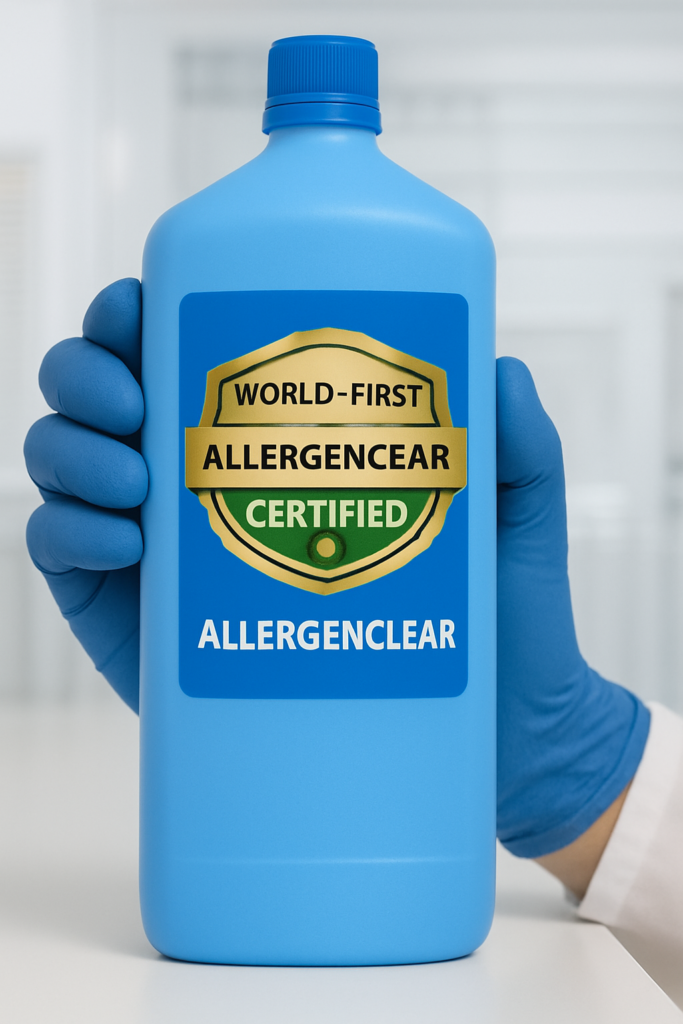
AllergenClear Certification
Third‑party certification verifies that your processes meet recognised safety requirements, providing documented proof of compliance.
VERIFIED SOLUTION
A Complete, Independently Verified Food Allergen Solution

Food Allergen Control Protocol
Our protocol has been designed specifically for food environments, addressing all allergens defined under UK Food Information Regulations.

Eco-Friendly, Non Corosive Cleaning Product
Our non-corrosive cleaning product is suitable for both food-contact and non-food-contact surfaces throughout your facility. Designed for professional use, it is safe for staff and fully compatible with common food-industry materials.

Independent Verification
Effectiveness has been verified using ELISA swab testing performed by a UKAS‑accredited laboratory and supported by third‑party certification of our allergen‑control protocol.
ALLERGENS
Addressing the Regulated Food Allergens

14 regulated food allergens: Celery, Cereals containing gluten (wheat, barley, rye, oats), Crustaceans (prawns, crabs, lobster), Eggs, Fish, Lupin, Milk (dairy), Molluscs (clams, mussels, oysters), Mustard, Tree Nuts (almonds, hazelnuts, walnuts, etc.), Peanuts, Sesame seeds, Soya, Sulphur dioxide/sulphites (>10mg/kg).
Lab‑validated on regulated allergens for broad‑spectrum allergen control.
INDUSTRIES
Verified Allergen Control: Product + Protocol + Accreditation
Food Allergen Control Solutions for 10 Industries
Our allergen control solution supports compliance across diverse food industry sectors.
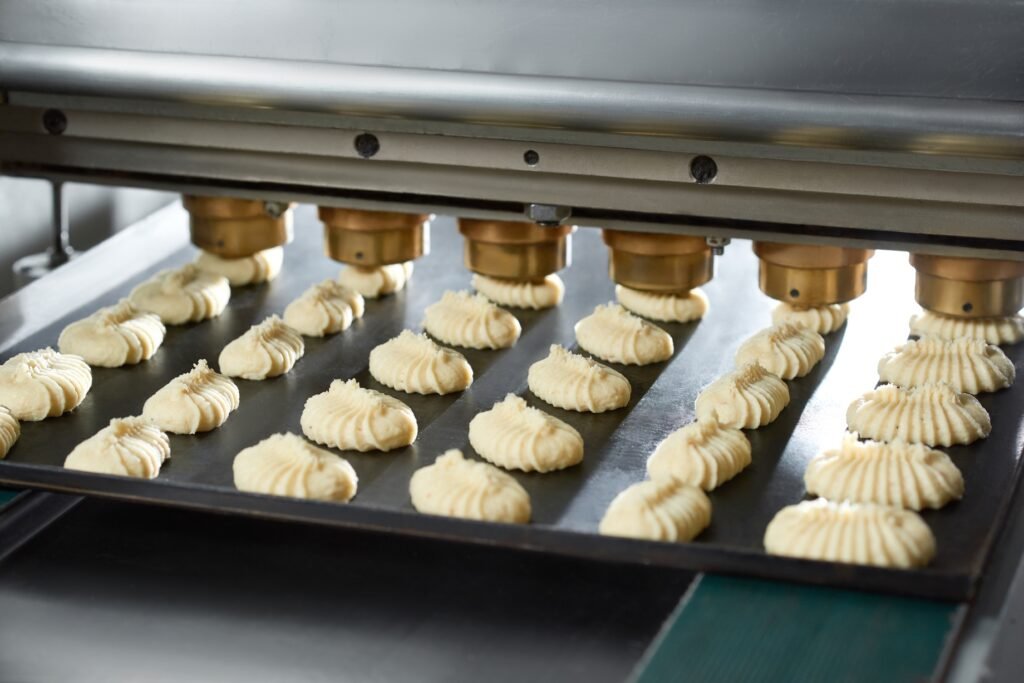
Food Manufacturing

Commercial Catering

Bakeries & Confectionery

Restaurants & Cafés
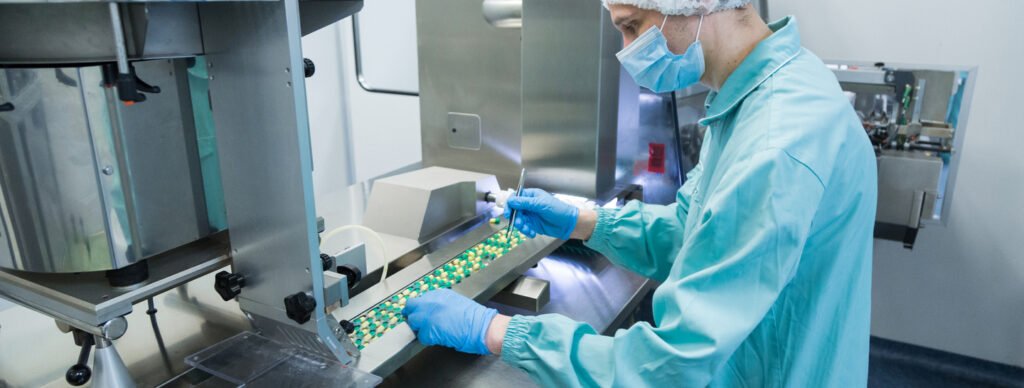
Nutraceuticals & Supplements

Retail Food Preparation

Contract Packing

Ice Cream & Frozen Desserts

Fermentation and Bioprocessing
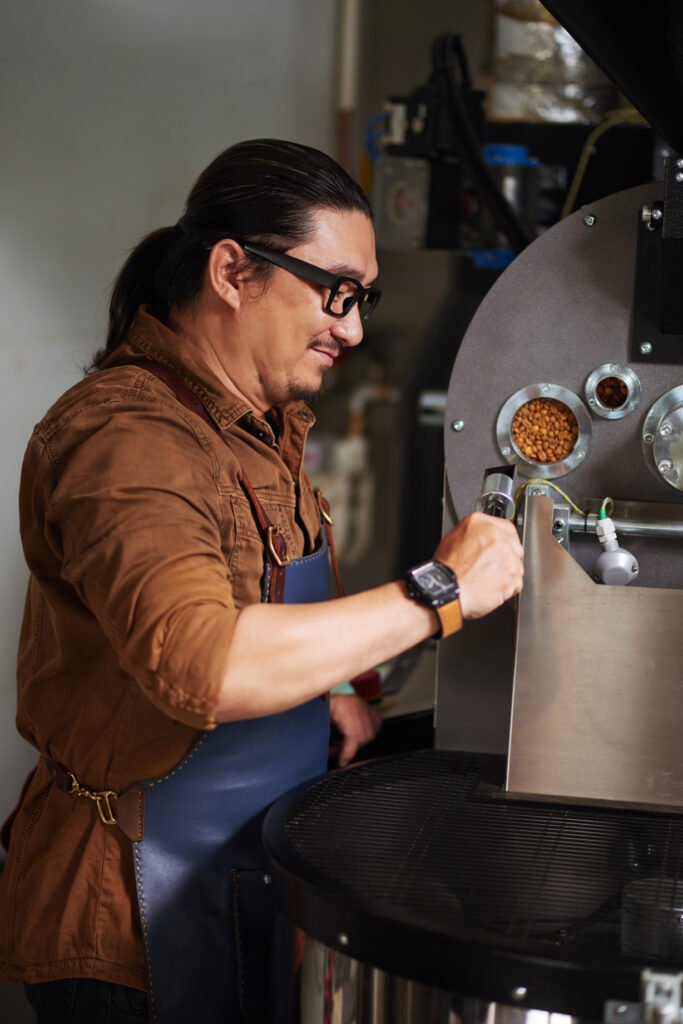
Coffee Roasters & Tea Blenders
CONSULTATION
Request a B2B Consultation
Complete the form below for technical specifications, pricing information, or to arrange an on-site assessment. Our team responds to procurement enquiries within 24 hours.

FAQ
Frequently Asked Questions
“<0.01 μg/swab“ refers to results reported below the laboratory limit of detection under validated test conditions. This indicates that allergen residues were not detectable using the applied ELISA method at that threshold.
The protocol is designed to address the 14 allergens regulated under UK food information regulations, including cereals containing gluten, milk, eggs, nuts, soy, sesame, sulphites and others.
This is a professional food-industry cleaning and verification process. No medical, therapeutic or consumer health claims are made.
When used as directed within the protocol, the product is eco-friendly, non-corrosive, and suitable for use on common food-industry surfaces. It is designed for professional environments and supports safer working conditions.
No. While testing demonstrates a reduction of detectable allergen residues under validated conditions, no cleaning or verification process can guarantee the complete absence of allergens in all operational environments.
Yes. The protocol is designed for complex food environments, including shared equipment and multi-product production lines, where allergen cross-contact risks must be managed.
The process is designed for professional food operations across manufacturing, catering, bakeries, restaurants, nutraceuticals, retail food preparation, contract packing, frozen desserts, beverage production, and coffee or tea processing.
Yes. Protocol documentation and verification evidence from facilities implementing the protocol can be provided to support audits, inspections, tenders, and internal compliance requirements.