
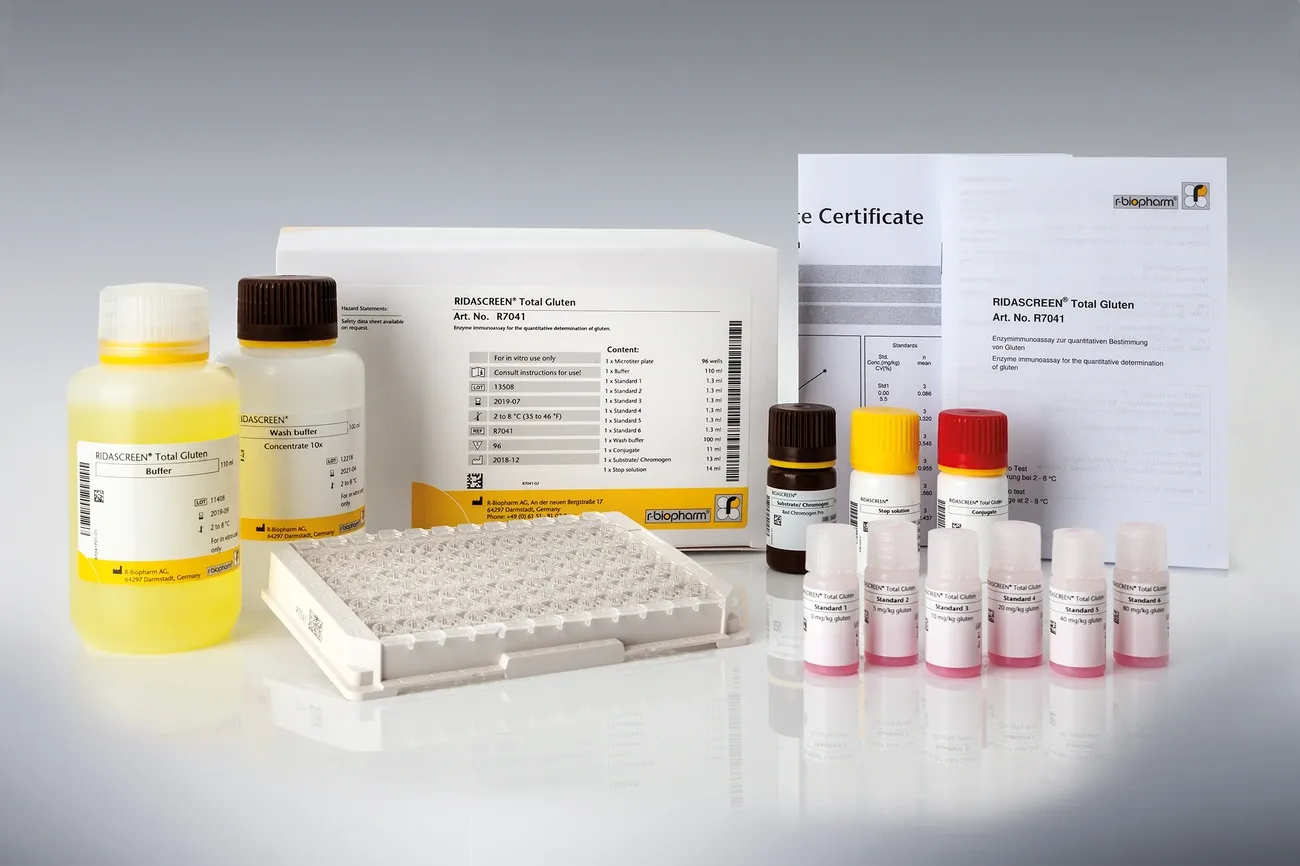
Gluten-free testing UK requirements just need rigorous verification because products labelled ‘gluten-free’ must contain no more than 20mg/kg of gluten. This quantitative threshold became mandatory in January 2012 and applies to all foods making gluten-free claims rather than requiring absolute gluten absence. Food manufacturers face the challenge of implementing resilient testing protocols to demonstrate compliance with gluten free labelling UK standards. This piece gets into verification requirements under food labelling regulations UK, including ELISA and rapid gluten free testing kit methodologies with sampling strategies that support the use of the gluten free symbol UK and gluten free logo UK on compliant products.
Legal Framework for Gluten-Free Claims in the UK
Regulation (EU) No 828/2014 Requirements
Commission Implementing Regulation (EU) No 828/2014 establishes the statutory framework governing gluten-free claims in the UK. The legislation entered into application on 20 July 2016 and transferred previous rules from Regulation (EC) No 41/2009 into the framework of Regulation (EU) No 1169/2011 on food information to consumers [1]. The implementing regulation maintains harmonised requirements preventing misleading information about gluten absence or reduced presence in food products.
The regulation applies to all food categories where voluntary gluten-free labelling UK claims appear. The scope extends beyond prepacked foods to include non-prepacked foods served in restaurants and catering establishments [2][1]. This expansion represents a substantive change from earlier regulations and requires consistent compliance standards whatever the food presentation format. Operators providing meals in hospitality settings must therefore implement the same verification protocols as manufacturers of retail products.
The 20ppm Threshold and Its Scientific Basis
The 20 parts per million threshold derives from clinical research rather than analytical detection limits. Dr. Carlo Catassi enrolled 49 adults with biopsy-proven coeliac disease in a prospective, double-blind, placebo-controlled trial in 2007 [3][3]. Participants received daily gluten doses of 10mg, 50mg, or placebo. Results showed that 50mg of gluten per day represented the minimum dose causing intestinal damage. Some individuals showed villous atrophy at only 10mg [2][3].
Regulatory authorities selected 20 ppm to ensure that people with coeliac disease consuming multiple gluten-free products daily remain below the 10mg safety threshold [2][3]. This concentration-based approach recognises that larger food portions contribute more absolute gluten than smaller servings. The ppm standard provides consistent protection across varied consumption patterns whilst acknowledging that absolute gluten absence cannot be achieved in practise [2].
Gluten-Free vs Very Low Gluten Claims
Regulation (EU) No 828/2014 defines two distinct categories for reduced gluten foods [2]. Products containing no more than 20mg/kg qualify for ‘gluten-free’ claims. Foods containing 21-100mg/kg may only carry ‘very low gluten’ statements [2][2]. The very low gluten category applies to specialist substitute products such as bread, flour and crackers manufactured using Codex wheat starch that has been processed to reduce gluten content [2].
Codex wheat starch undergoes washing procedures to lower gluten levels whilst maintaining functional properties for food allergen control UK in bakery applications. Products containing this ingredient with gluten levels below 20 ppm may carry gluten-free claims, but those measuring 21-100 ppm must use very low gluten terminology [2]. No foods labelled as very low gluten are marketed in the UK currently, though such products exist in other European markets [2][3].
The legislation prohibits any alternative statements describing gluten absence or reduction [2]. Terms such as ‘no gluten-containing ingredients’ fall outside regulatory scope and cannot replace the prescribed gluten-free or very low gluten designations. This restriction will give clarity to consumers and prevents circumvention of testing requirements through imprecise language.
Mandatory Labelling Requirements
Foods making gluten-free claims must still declare gluten-containing cereals in the ingredients list when processed versions are used [2]. Wheat, rye, barley, oats, spelt and Khorasan wheat require emphasis through formatting such as bold typeface, whatever the quantity used [2]. This dual requirement means that Codex wheat starch must appear in ingredients lists even when the final product qualifies as gluten-free [2].
Oats present particular labelling complexities under UK food allergen regulations. Products containing oats may only carry gluten-free claims when the oats have been produced, prepared or processed to avoid contamination from wheat, rye or barley, and the gluten content does not exceed 20mg/kg [4]. The regulation does not specify production methods but requires demonstration that contamination prevention measures achieve the statutory threshold.
Products labelled gluten-free or very low gluten containing oats must identify the specific cereal in the emphasised ingredients list whilst displaying the gluten-free statement on packaging [2][4]. This transparency allows consumers to make informed choices about oat consumption whilst benefiting from verified gluten testing protocols.
Understanding Validation and Verification in Gluten Control

Image Source: Hygiena
Understanding Validation and Verification in Gluten Control
What is Validation in Allergen Management
Validation of cleaning procedures involves getting evidence to prove that the cleaning process works and can be shown to work repeatedly [3]. This process represents a quantitative assessment of cleaning methods that ensure they minimise the risk of unintentional allergen presence in subsequently produced products that could occur from using shared equipment [3]. The validation exercise gathers evidence proving that a cleaning regime can remove allergen soils effectively and repeatedly [2].
Manufacturing facilities implementing food allergen control UK programmes must approach validation as planned, rigorous work that often constitutes a substantial project [3]. Validation ideally occurs prior to implementation of the regime and essentially shows that cleaning objectives have been met [2]. The process addresses whether correct procedures are in place to handle potential allergen cross-contact hazards [3].
Testing during validation requires quantitative methods to establish whether allergen cross-contact has occurred after cleaning and, if detected, by how much [2]. ELISA testing provides the recommended approach for allergen cleaning validations since these methods detect protein and deliver quantitative results within a defined range [3]. Testing positive controls is critical and shows not only that an appropriate target allergen has been chosen but also that the test method suits the sample collected [3].
The validation should not need repeating once it has been completed and shown that the cleaning procedure is acceptable, unless changes occur to the manufacturing process, the method of cleaning, or the ingredients used [3]. Analytical results should indicate either where improvements need implementing and the validation should be repeated, or that cleaning equipment to an acceptable level is not practical in cases where cleaning is insufficient [3].
What is Verification Testing
Cleaning verifications are periodic assessments which show that the procedure remains effective after the validation [3]. Verification shows that the validated allergen cleaning regime was performed correctly and remains effective, which explains why it occurs on an ongoing basis [2]. This process involves regular assessments and supervision to confirm that cleaning operations eliminate allergen residues successfully and thereby protect consumer health [3].
Verification shows that previously validated cleaning protocols have been performed properly and remain effective [3]. Validation asks “will this cleaning method remove allergens effectively?” whereas verification confirms the validated methods are implemented consistently and function as expected [3] [3]. Testing rinse water or environmental surface swabs using rapid and reliable onsite testing kits is ideal for supplementing cleaning verification [2].
Key Differences Between Validation and Verification
Validation and verification serve distinct functions within allergen cleaning validation verification evidence-based protocols for UK food safety audits. Validation consists of gathering evidence proving capability, whilst verification shows ongoing consistency. The validation process precedes verification in the chronological sequence of quality control activities [2].
Validation requires quantitative analytical methods to establish baseline performance, whereas verification may employ semi-quantitative or qualitative rapid tests once correlation with quantitative methods has been established [5]. Validation shows the cleaning regime can achieve cleaning goals consistently by testing the same worst-case scenario, analysing the same type of samples, and using the same testing method [2]. The regime qualifies as valid if each data set shows that target allergen residue was removed and no cross-contact occurred [2].
When Each Approach is Required
Validation occurs before commercial manufacture of a product and at any time when changes are made to the manufacturing or cleaning process [3]. Specific triggers requiring validation include reformulation of products, modifications to process equipment, changes to scheduling times or sequences, or alterations to cleaning protocols [3]. Re-validation becomes necessary periodically or whenever production changes such as introduction of new products, changes in product formulation, changes in raw material and chemical suppliers, installation of new equipment, and changes in packaging material [3].
Verification frequency depends on the allergen map and risk assessment of the food manufacturing facility [3]. Verification can be included as part of the sanitation standard operating procedure, most notably during changeovers [3]. Neither validation nor verification should proceed without completing visual inspections, complemented by analytical analyses testing finished products, work-in-progress, rinse water, flush material, environmental surface swabs, or a combination of these [2]. All documentation makes up part of a site’s due diligence and is vital if an incident occurs since it shows that a system exists and that the system works [3].
The Role of Analytical Testing in Demonstrating Compliance
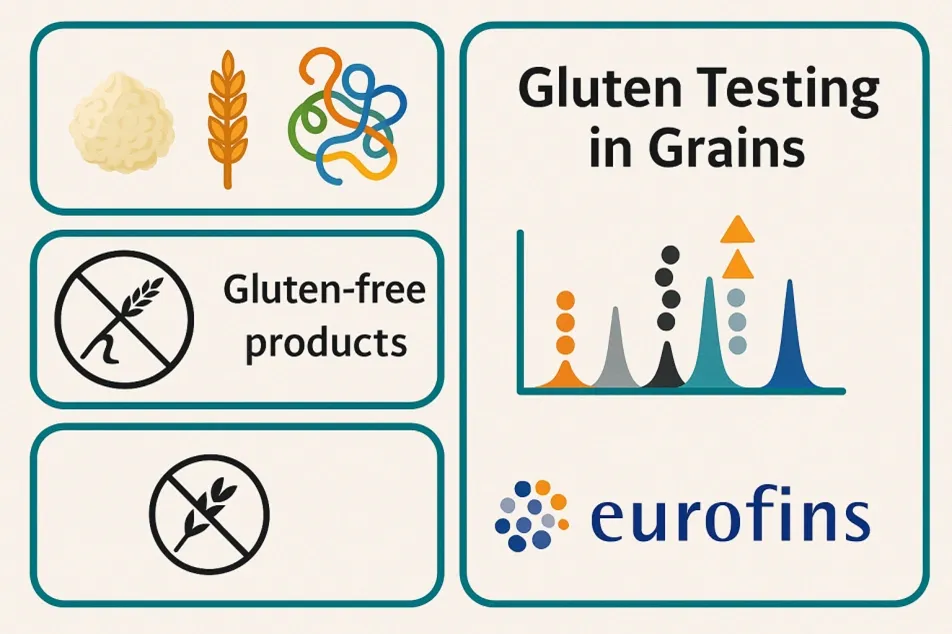
Image Source: Eurofins India
The Role of Analytical Testing in Demonstrating Compliance
Testing as Part of Due Diligence
UK enforcement authorities do not mandate testing as a statutory requirement for gluten-free claims, yet they recognise that good practise will involve testing [6]. This regulatory position places the burden of proof on food business operators to demonstrate due diligence and ensure products meet the 20 ppm threshold. Then analytical testing forms the life-blood of defensible food allergen control UK programmes.
Any free-from claim must be supported by a full picture of risk, with strict controls in place that ensure no chance of cross-contamination [7]. To name just one example, bakeries manufacturing gluten-free bread must demonstrate through testing that final products contain 20 ppm or less of gluten [7]. The authorities need to see due diligence and management of gluten to avoid cross-contamination so businesses can be sure that their procedures can produce gluten-free food [6]. Testing provides objective evidence that control measures function as intended and transforms theoretical risk assessments into verified compliance.
How Testing Supports Gluten-Free Claims
Analytical testing delivers multiple compliance benefits beyond regulatory satisfaction. Testing protects consumer health by ensuring products are safe for people with coeliac disease and ensures accurate labelling helps products meet gluten free labelling UK standards [7]. It also maintains brand reputation by preventing recalls of contaminated products and manages risk by identifying potential contamination sources early [7].
Most allergen testing occurs to confirm cleaning of production lines and verify the process [3]. Companies adopt risk-based approaches where the product with the highest allergen loading on a production line are the foundations of validation studies for Critical Control Points [3]. After production of high-risk products, specialist sanitation teams collect swabs at various points on production lines from different materials such as rubber and stainless steel [3]. The next product prepared on the line undergoes testing at eight timepoints from T=0 to T=60 minutes on three separate occasions to prove that precautionary allergen labelling is not required [3].
Frequency and Scope of Testing Programmes
Risk assessment results should determine testing frequency, as it might not be necessary to test all incoming materials at each delivery [7]. We recommend that you analyse all finished products at least once a year, but the frequency of analysis may be higher based on risk assessment outcomes [7]. One major food manufacturer reported testing costs of £50-80 per sample and made each Critical Control Point validation cost £1,200-1,920 [3]. Testing is undertaken when risk assessment dictates it is required, along with annual verifications [3].
You should inspect incoming materials upon arrival at the plant and analyse them with rapid ELISA test kits [7]. Testing frequency increases for products with claims of being free from allergens [3]. Suppliers must provide details of allergens handled on their sites and certification of third-party audits, with qualification reviewed taking into account testing results and non-compliances [3]. Companies should send samples to third-party laboratories for independent testing from time to time [2]. Independent labs can provide certificates of analysis that are important to keep on file as part of any quality control programme [2].
Documentation Requirements for Enforcement
Laboratories must be accredited to ISO 17025, with performance in FAPAS proficiency testing rounds considered and checked each year [3]. Testing laboratories must provide suitable data for spike recovery testing on matrices, with new matrices requiring spike recovery data generation [3]. Spike recovery data must fall within 80-130% of the spiked level [3]. Companies should send Quality Control samples containing the allergen with each sample for testing to check that allergen is detected [3].
Data generated from testing is added to risk assessments or HACCP plans, with trends compared to determine performance over the year and identify any areas of risk [3]. Each lot analysed must be placed in quarantine until results are obtained and meet specifications [7]. Testing takes 10 working days, though priority testing is available when required [3]. All documentation makes up part of a site’s due diligence and proves vital if an incident occurs. It demonstrates that a system exists and that the system works.
ELISA Testing Methods for Gluten Detection
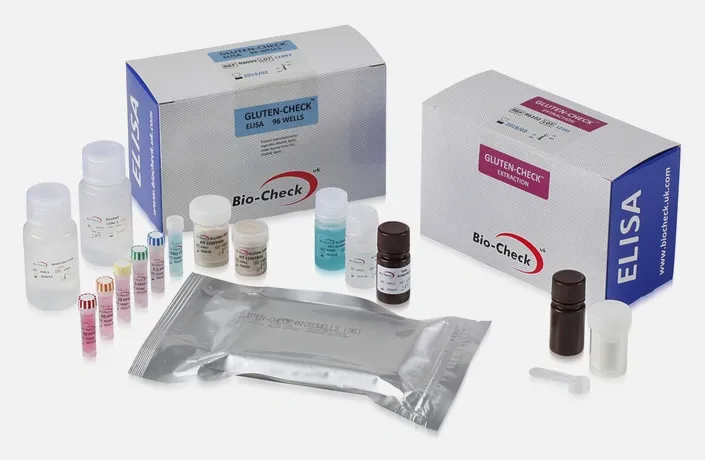
Image Source: Bio-Check (UK)
ELISA Testing Methods for Gluten Detection
R5 Mendez Method: The Gold Standard
The R5 Mendez method is the only Type I Codex method for gluten analysis and has got AOAC Official Method status [8]. This sandwich ELISA uses a monoclonal antibody raised against omega-secalin from rye. The antibody cross-reacts with related protein groups that include omega-gliadin from wheat and C-hordein from barley [3]. It detects the prolamin fraction of gluten. Results are multiplied by a conversion factor of two to calculate total gluten content based on the Codex Alimentarius standard that prolamin makes up 50% of total gluten [3].
R-Biopharm holds the exclusive licence for the Cocktail extraction method and calibrates the assay against the Prolamin Working Group (PWG) Gliadin standard [8]. The sandwich version achieves a detection limit of 0.5mg/kg gliadin or 1.0mg/kg gluten. 96 determinations require 1 hour 30 minutes incubation [8]. The competitive R5 ELISA variant serves fermented and hydrolyzed foods where protein degradation renders sandwich methods ineffective. It offers a detection limit of 2.3mg/kg gliadin or 4.6mg/kg gluten [8]. The Association of European Celiac Societies recommends the R5 sandwich ELISA for natural and heat-processed foods while specifying the competitive format for hydrolyzed products [8].
G12 Method: Alternative ELISA Approach
The G12 antibody targets the 33-mer peptide segment of alpha-2 gliadin from wheat. This segment is the most immunotoxic component of gluten and demonstrates high resistance to human digestive enzymes [9]. This specificity makes G12-based assays especially good for hydrolyzed gluten detection in fermented and processed foods where standard sandwich methods fail [9]. The GlutenTox ELISA Competitive G12 achieves a 1.6ppm limit of detection [9]. The rapid variant reaches 0.6ppm (0.3ppm of gliadin) [9].
The G12 method employs a quantification range of 4-200mg/kg gluten compared to the R5 range of 5-80mg/kg [10]. A comparative study testing routine samples in parallel found no difference between G12 and R5 results when similar extraction procedures were applied (p-value 0.4795) [10]. Both methods went through testing with 30% measurement uncertainty. Results got with G12 antibody ELISA proved comparable to the official R5 method [10]. The ready-to-use standards in newer G12 kits reduce operator errors and preparation time. Shorter incubation periods deliver results in 90 minutes [9].
Selecting the Appropriate ELISA Method
Method selection depends on the degree of protein hydrolysis in the food matrix. Sandwich ELISAs require at least two binding epitopes for the antibody. This makes them suitable for intact proteins but ineffective for degraded gluten [3]. Competitive formats require only one epitope and detect smaller protein fragments present in fermented products such as beer, where enzymes cleave proteins into peptide fragments during mashing [3].
The R5 sandwich method provides the verified approach for naturally gluten-free products that undergo allergen testing. But manufacturers producing specialty fermented items must implement G12 or R5 competitive methods to detect hydrolyzed gluten that evades sandwich detection [9].
Understanding Method Sensitivity and Specificity
The achievable degree of equivalence between test kits depends on individual assay performance characteristics [7]. A proficiency testing study comparing seven commercial ELISA kits revealed calculated repeatability (within-kit) and reproducibility (between-kit) standard deviations of 21% and 101% at the 20mg/kg level. At 100mg/kg these values were 11% and 102% [7]. Different kits generated values that differed by 10-20 times in food sample analyses. Average repeatability was 17% (ranging 3-32%) and average reproducibility was 76% (varying 46-124%) [7].
The variation stems from differences in antibody selectivity between methods. This creates bias that cannot be corrected using reference materials alone [7]. Using a common calibrator reduced between-assay variability to some extent, but variation due to selectivity differences remained unaffected [7].
Interpreting ELISA Results for Compliance
The lack of equivalence between ELISA kits creates big compliance challenges when you interpret results against legislative thresholds [7]. Out of 24 analysed samples, only four received similar classifications across all seven kits tested [7]. The highest agreement for the remaining 20 samples was five similar classifications out of seven possible. This was observed for only four samples [7]. Pairwise comparison revealed that merely six out of 21 possible kit combinations produced similar statements for more than 70% of samples [7].
The 20mg/kg threshold will give gluten concentration in labelled products that would not exceed 80-90mg/kg independent of kit used [7]. But from a manufacturer’s view, achieving 95% probability of conforming to gluten-free regulation UK requirements across any test kit requires actual gluten content well below 5mg/kg [7]. This big safety margin proves necessary given the current measurement system’s limitations in supporting legislative compliance [7].
Rapid Testing: Lateral Flow Devices and Field Tests
How Gluten-Free Testing Kits Work
Lateral flow devices employ immunochromatographic technology configured in sandwich format to detect gluten proteins. The OnSite Gluten Test Kit uses the monoclonal antibody 2D4, which replicates R5 antibody characteristics and detects deamidated gluten [2]. Sample extraction involves brief processing in a running buffer before direct application to the device, with fluid wicking across a reagent zone that contains a procedural control line and test line. AllerFlow Gluten incorporates a pre-measured extraction buffer within the sample collection swab. You snap and squeeze it before pouring onto the lateral flow cassette [11]. Results appear within 10-15 minutes, with detection limits adjusted to 5, 10, or 20mg/kg depending on matrix and user requirements [2].
Advantages and Limitations of Rapid Tests
Lateral flow devices offer immediate on-site testing and substantially reduce time to market for food product batches compared to laboratory ELISA that requires 10 working days [12]. Rinse water, surfaces and equipment testing proves ideal to supplement allergen cleaning validation verification evidence-based protocols for UK food safety audits. The OnSite kit holds AOAC Performance Tested Methods certification (Certificate No. 012501) for qualitative detection in select food matrices and stainless steel surfaces [2].
But substantial limitations constrain field device reliability. A Nima validation study found 92.6% accuracy for samples containing ≥20ppm gluten, but specificity varied at lower concentrations: ‘gluten found’ appeared 34.6% of the time with 5ppm added and 56.4% with 10ppm [13]. Nearly half of participants failed to recall that Nima cannot detect gluten in fermented foods like soy sauce and barley malt [13]. The National Celiac Association does not endorse lateral flow devices including Nima, EZ Gluten, or LEO. They cite high margins of inconsistent results such as false negatives [6].
When to Use Rapid Testing vs Laboratory Analysis
Rapid tests suit verification of cleaning effectiveness during production changeovers rather than quantitative compliance demonstration for gluten free regulation UK claims. Lateral flow devices test small food samples, so gluten distributed in uneven patterns across meals may escape detection [6]. Fermented products, pure liquids, high-fat foods and powdery materials require laboratory ELISA rather than field testing [6]. Accredited laboratory testing provides the defensible analytical evidence enforcement authorities require to demonstrate compliance with food labelling regulations UK.
Gluten-Free Testing Kit Options in the UK
Romer AgraStrip Gluten G12 LFD delivers results within 11 minutes including extraction. It provides ready-to-use lateral flow devices with antibody-coated incubation vials, surface swabs and extraction buffers [14]. GlutenTox Home employs G12 antibody technology with customizable sensitivity at 5, 10, or 20ppm thresholds. It requires no special equipment and offers room temperature storage [15]. Commercial test kit performance varies between batches depending on antibody reactivity. Manufacturers retain kit names despite alterations in detection limits and quantitation ranges [16].
PCR Methods and Their Limitations in Gluten Testing
Image Source: Rapid Microbiology
PCR Methods and Their Limitations in Gluten Testing
What PCR Testing Detects
Polymerase chain reaction methods rely on determination of specific DNA sequences rather than protein content [17]. These genomic approaches amplify target DNA sequences and enable selective propagation of desired DNA stretches up to a million copies in vitro [10]. PCR identifies the genetic material from gluten-containing cereals such as wheat, barley, and rye present in food matrices.
The technology offers exceptional sensitivity and detects gluten presence at concentrations as low as 0.16 ppm [10]. Officially used protein quantification methods range from 4 to 5 ppm gluten [10]. A comparative study found PCR showed ten times more sensitivity than R5 ELISA when testing oat samples spiked with wheat gluten [17]. PCR methods allow individual cereal differentiation and detect wheat, barley, and rye within a single sample [8].
Why PCR Cannot Measure Gluten Protein Levels
The fundamental limitation stems from PCR detecting DNA molecules rather than gluten proteins. DNA presence indicates potential gluten-containing cereal ingredients, but it provides no quantitative measurement of actual protein levels that affect people with coeliac disease. This difference proves critical for food allergen control UK programmes requiring protein concentration verification.
PCR assays cannot be applied to hydrolyzed products such as beer, syrup, and malt extracts to determine gluten content [17]. Fermentation and hydrolysis processes degrade DNA alongside proteins and render PCR unsuitable for these matrices. DNA stability varies depending on processing conditions and affects quantification reliability when comparing samples subjected to different processing degrees [18].
Appropriate Uses for PCR in Gluten Control
PCR serves as a confirmatory tool following unexpected positive ELISA results and verifies whether gluten-containing cereal DNA is present [3]. This approach supports reliable gluten-free regulation UK compliance by providing verification through alternative analytical principles.
Especially valuable applications include identifying contamination sources when positive results occur. ELISA detects total gluten, but PCR determines which specific cereal caused the contamination and enables targeted corrective actions within production facilities [3].
Building a Compliant Testing Protocol
Risk Assessment and Testing Strategy
Manufacturers must assess contamination risks before they develop sampling programmes for incoming materials and each processing step [9]. A scoring system classifies incoming materials into low, medium and high risk categories when you think about ease of detection and likelihood of occurrence [9]. Potential cross-contamination risks just need evaluation at facility level. The extent depends on whether the same facility processes gluten-containing products [9]. Each processing step with cross-contamination risk demands assessment through HACCP-based food safety systems. You must think about likelihood of occurrence and severity [9].
Sampling Plans and Frequency
Testing frequency should line up with risk assessment outcomes. You may not need to analyse all incoming materials at each delivery [9]. Risk level, lot size and delivery frequency determine sampling intensity [9]. Facilities that produce both gluten-free regulation UK and non-gluten-free products must test finished products on a regular basis, especially when you have shared equipment [9].
Managing Test Results and Non-Conformances
Non-conformities trigger mandatory corrective actions. These include updating ingredient sourcing procedures, implementing rigorous testing protocols or retraining the core team [19]. If risk assessment dictates testing by a specific date, failure to perform requires corrective and preventive action documentation [20].
Maintaining Testing Records
Testing generates data that feeds into risk assessments or HACCP plans. Trends are compared each year to identify risk areas [21].
Working with Accredited Laboratories
Laboratories must hold ISO 17025 accreditation and verify performance through FAPAS proficiency testing [21]. Spike recovery data must fall within 80-130% of spiked levels [21].
Gluten-Free Labelling Regulations UK: Symbols and Claims
Image Source: Dreamstime.com
The Crossed Grain Symbol UK Requirements
The Crossed Grain Trademark serves as the recognised gluten free symbol UK for products meeting verified safety standards internationally. Coeliac UK licences this gluten free logo UK to manufacturers whose products and processes comply with strict criteria. Over 21,000 products in Europe display the symbol [22]. The scheme meets UK and European regulations on gluten free labelling UK and food labelling [23].
Only multiple ingredient or processed products qualify for licencing [24]. Fresh fruit, vegetables and naturally gluten-free items cannot display the symbol. All foods like these naturally have these characteristics, making such labelling misleading [24]. Products containing oats display specific codes beneath the symbol, such as OAT-GB-001-001 for UK-manufactured items [25].
Using the Gluten-Free Logo UK
Manufacturers get licences through Coeliac UK member societies. Fees vary according to gluten-free product turnover [24]. Accredited laboratories must provide test certificates as part of licencing applications [24]. The symbol may accompany supplementary statements that reinforce suitability for consumers [26].
Prohibited Claims and Misleading Statements
Food allergen control UK frameworks permit only the terms ‘gluten-free’ and ‘very low gluten’ [27] [26]. Alternative phrases including ‘free from gluten’ or ‘naturally gluten-free’ cannot be used [26]. Supplementary statements such as ‘suitable for coeliacs’ may accompany gluten-free claims, whilst ‘suitable for most coeliacs’ applies to very low gluten products [26].
Food Labelling Regulations UK for Allergens
Cereals containing gluten require emphasis in ingredients lists through bold typeface, whatever the quantity [28]. The specific cereal name must appear, not just ‘gluten’ [28]. These UK food allergen regulations apply even when products meet gluten free regulation UK thresholds [27].
Conclusion
Strong analytical testing protocols are the foundations for defensible gluten-free claims under UK compliance frameworks. Food manufacturers who show due diligence through verified ELISA methodologies, appropriate sampling strategies and complete documentation establish verifiable compliance with the 20ppm threshold. The correct testing approach depends on product characteristics, especially when you have different degrees of protein hydrolysis. Validation shows that cleaning procedures work, and verification confirms ongoing consistency. Manufacturers who implement evidence-based testing programmes protect consumer health and satisfy regulatory requirements while safeguarding brand reputation. Accredited laboratory analysis combined with risk-based sampling and meticulous record-keeping changes regulatory obligations into systematic quality assurance that supports confident use of gluten-free statements.
Key Takeaways
Understanding UK gluten-free compliance requires mastering both regulatory thresholds and analytical verification methods to protect consumers and maintain legal compliance.
• UK law mandates gluten-free products contain ≤20ppm gluten, requiring robust ELISA testing protocols and comprehensive documentation for regulatory compliance.
• R5 Mendez ELISA serves as the gold standard for intact proteins, whilst G12 methods detect hydrolysed gluten in fermented products.
• Validation proves cleaning procedures work effectively; verification confirms ongoing consistency through regular testing and monitoring programmes.
• Rapid lateral flow tests suit cleaning verification but lack accuracy for compliance demonstration—accredited laboratory analysis remains essential.
• Only ‘gluten-free’ and ‘very low gluten’ claims are permitted; alternative phrases like ‘naturally gluten-free’ violate UK labelling regulations.
Effective gluten control combines risk-based testing strategies with validated analytical methods, creating defensible compliance programmes that satisfy enforcement authorities whilst protecting consumers with coeliac disease.
FAQs
Q1. What is the legal gluten threshold for products labelled gluten-free in the UK? Products labelled as ‘gluten-free’ in the UK must contain no more than 20 parts per million (20mg/kg) of gluten. This threshold is based on clinical research demonstrating that this level protects people with coeliac disease when consuming multiple gluten-free products daily. A separate category exists for ‘very low gluten’ products containing 21-100mg/kg, though these are rarely marketed in the UK.
Q2. Is laboratory testing legally required to make gluten-free claims on food products? Whilst UK enforcement authorities do not mandate testing as a statutory requirement, they recognise that good practise involves analytical testing. Food business operators must demonstrate due diligence in ensuring products meet the 20ppm threshold. Testing provides objective evidence that control measures function as intended and forms the cornerstone of defensible compliance programmes.
Q3. What is the difference between validation and verification in gluten control? Validation involves obtaining evidence to prove that cleaning procedures work effectively and can be repeated consistently, typically conducted before implementation. Verification consists of periodic assessments confirming that validated procedures remain effective and are performed correctly on an ongoing basis. Validation asks “will this work?” whilst verification confirms “is this still working?”
Q4. Which testing method should be used for gluten detection in fermented foods? For fermented and hydrolysed products such as beer, the G12 competitive ELISA or R5 competitive ELISA should be used rather than standard sandwich methods. This is because fermentation breaks down proteins into smaller fragments, and competitive formats requiring only one antibody binding site can detect these degraded proteins, whereas sandwich methods requiring two binding sites cannot.
Q5. Can the crossed grain symbol be used on all gluten-free products in the UK? No, only multiple ingredient or processed products qualify for the Crossed Grain Trademark licenced by Coeliac UK. Fresh fruit, vegetables, and naturally gluten-free items cannot display this symbol as all similar foods inherently possess these characteristics, making such labelling potentially misleading to consumers.
References
[1] – https://food.ec.europa.eu/food-safety/labelling-and-nutrition/specific-groups/gluten-free-food_en
[2] – https://microbiologique.com/gluten-lateral-flow/
[3] – https://www.rapidmicrobiology.com/news/why-use-pcr-for-testing-gluten
[4] – https://www.legislation.gov.uk/eur/2014/828/data.xht?view=snippet&wrap=true
[5] – https://www.klipspringer.com/blogs/allergen-cleaning-validation-a-practical-guide-for-food-factories/
[6] – https://nationalceliac.org/celiac-disease-questions/devices-for-testing-for-gluten/?srsltid=AfmBOoroEy1T5PjMP6wG23wrBvMQJFe0UHrTPgdU-Ife-zpWS3MNNCVb
[7] – https://pmc.ncbi.nlm.nih.gov/articles/PMC5460520/
[8] – https://food.r-biopharm.com/news/is-pcr-relevant-for-gluten-testing/
[9] – https://www.brcgs.com/media/2167041/11-e-sampling_guide_2018-05-15_eng.pdf
[10] – https://pmc.ncbi.nlm.nih.gov/articles/PMC9317630/
[11] – https://www.hygiena.com/food-safety/allergen-detection/gluten/allerflow-gluten
[12] – https://food.r-biopharm.com/analytes/gliadin-gluten/
[13] – https://pmc.ncbi.nlm.nih.gov/articles/PMC6745295/
[14] – https://www.completesafetysupplies.co.uk/blog/coeliac-awareness-week-gluten-test-kits/
[15] – https://bhr.co.uk/products/glutentox®-home-5-tests-for-the-detection-of-gluten-in-food-containing-wheat-barley-rye-and-oats?srsltid=AfmBOopbv_yGvDO4_8Nk8JsZmSc_HCTV6YStWYhs3X4XwPl6CC4rIsrs
[16] – https://www.food.gov.uk/research/review-of-allergen-analytical-testing-methodologies-allergen-detection-methods-unbiased-literature-search
[17] – https://pmc.ncbi.nlm.nih.gov/articles/PMC6949940/
[18] – https://www.sciencedirect.com/science/article/abs/pii/S0963996909000702
[19] – https://www.taxtmi.com/article/detailed?id=13633
[20] – https://www.ifsqn.com/forum/index.php/topic/48935-missed-gluten-tests-due-to-supply-issues-–-does-this-require-a-non-conformance/
[21] – https://www.food.gov.uk/research/review-of-allergen-analytical-testing-methodologies-stakeholder-engagement
[22] – https://www.coeliac.org.uk/living-with-coeliac-disease/food-and-drink/eating-out-and-travel/food-safety-scheme/
[23] – https://commercial.coeliac.org.uk/for-packaged-products
[24] – https://www.aoecs.org/working-with-food/frequently-asked-questions/questions-about-licencing-the-crossed-grain-trademark/
[25] – https://www.cuh.nhs.uk/patient-information/gluten-free-labelling-for-coeliac-disease/
[26] – https://acmsf.food.gov.uk/sites/default/files/multimedia/pdfs/glutenguidance2012.pdf
[27] – https://www.food.gov.uk/business-guidance/food-allergen-labelling-and-information-requirements-technical-guidance-part-1-guidance-for-businesses-providing-prepacked-food
[28] – https://www.fdf.org.uk/globalassets/resources/publications/guidance/fdf-gluten-labelling-guidance.pdf