

Understanding allergen thresholds and VITAL action levels enables food manufacturers to make evidence-based decisions about precautionary labelling rather than relying on subjective judgement.
• VITAL 4.0 uses ED05 reference doses where 95% of allergic individuals won’t react, with anaphylaxis risk below 1 in 60,000 exposures • Action Level 1 requires no ‘may contain’ labelling; Action Level 2 mandates precautionary statements when allergen exceeds reference dose • Calculate action levels using: Reference Dose (mg) ÷ Reference Amount (kg) to determine product-specific concentration thresholds • Implement threshold-based risk assessments within HACCP systems to identify cross-contact sources and quantify allergen exposure risks • Consider portion sizes and consumption patterns when determining reference amounts, as identical contamination levels may require different labelling decisions
The shift from subjective to science-based allergen management protects sensitive consumers whilst reducing unnecessary precautionary labelling that can limit food choices for allergic individuals.
Allergen threshold levels determine when precautionary allergen labelling should be used in food manufacturing. Many businesses struggle to apply these values. The VITAL Programme provides a risk-based methodology for assessing allergen cross-contact, with action levels showing that the risk of severe anaphylaxis at ED05 is less than 1 event per 60,000 exposures in the allergenic population . Allergen threshold values and when precautionary allergen labelling should be used are everything in regulatory compliance. This piece gets into the scientific basis of food allergen threshold levels, VITAL action levels, reference doses and practical application in UK food manufacturing environments.
What are allergen thresholds and reference doses?
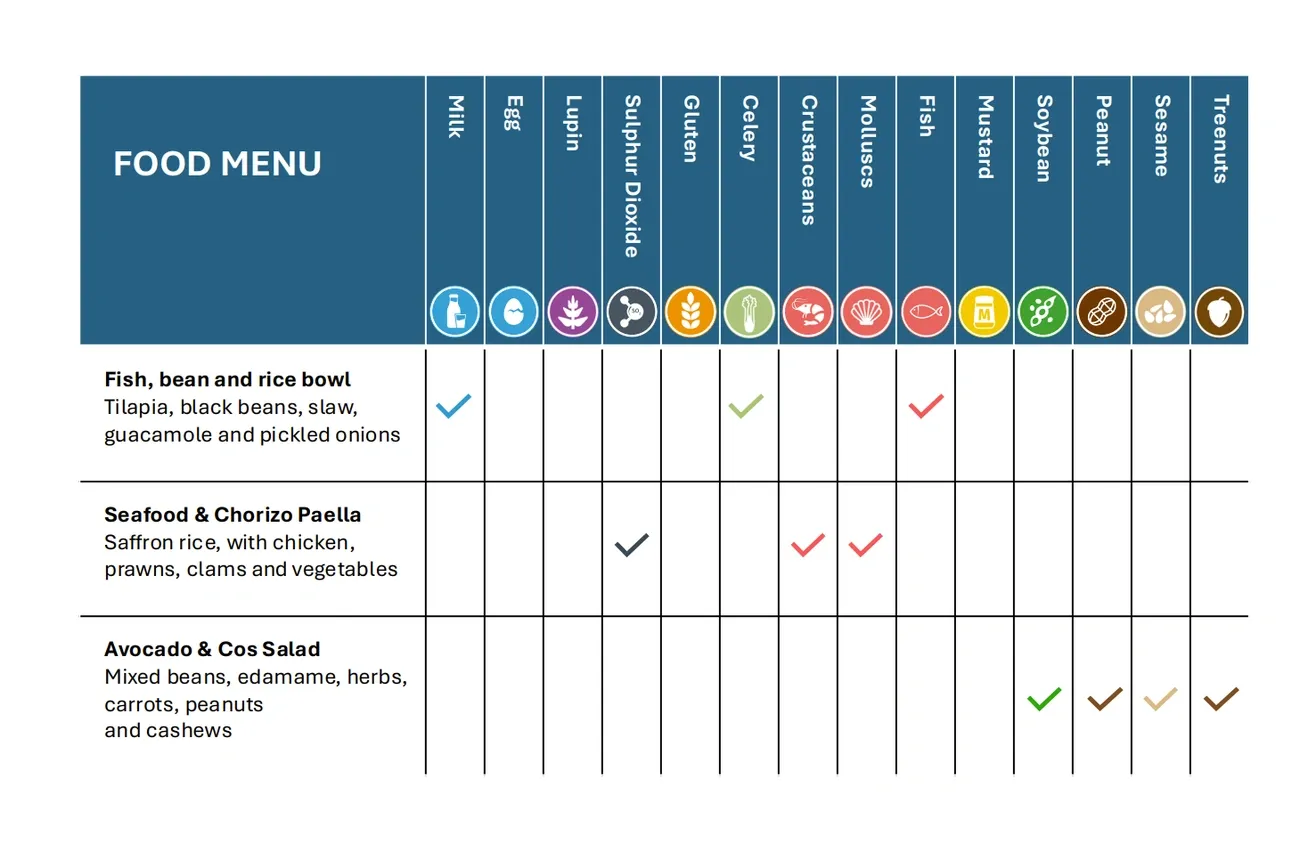
Image Source: Food Standards Agency
Defining allergen threshold values
The threshold dose for a food allergen represents the lowest amount of allergenic protein that can trigger an allergic reaction when consumed [1]. Scientists establish these values through probabilistic hazard assessment. They use NOAEL (no observed adverse effect level) and LOAEL (lowest observed adverse effect level) data from escalating low-dose oral food challenge studies [2]. Statistical dose-distribution modelling predicts the proportion of individuals allergic to a specific food protein who will experience objective allergic reactions upon oral exposure.
Allergen threshold values correspond to eliciting doses (EDp) expressed in milligrammes of total protein from a clinical viewpoint. The ED05 represents the amount of allergen predicted to trigger an objective allergic reaction in 5% of the allergic population. This means 95% would not react [2][3]. The ED05 equals 2.1mg peanut protein for peanuts [2]. The ED01 represents the dose where 1% of the allergic population are predicted to have a reaction with objective symptoms [3]. These threshold values inform decisions about when to use may contain statements on food packaging.
The Food and Agriculture Organisation of the United Nations (FAO) and World Health Organisation (WHO) Expert Committee on Food Allergens has set threshold levels for priority allergens. The committee used consistent methodology across multiple meetings. Reference doses were recommended for celery (1mg), soy (10mg), Brazil nut, Macadamia nut and pine nut (1mg), mustard (1mg), lupin (10mg), and buckwheat (10mg) [4]. Reference doses set previously include walnut and pecan (1mg), cashew and pistachio (1mg), almond (1mg), milk (2mg), peanut (2mg), egg (2mg), sesame (2mg), hazelnut (3mg), wheat (5mg), fish (5mg), and crustaceans (200mg) [4][5].
The role of reference doses in food safety
Reference doses (RfDs) are amounts of allergen rounded from ED05 values to a most important figure. This makes practical application in food allergen control UK systems easier [2]. These values serve as risk-based thresholds derived from global data and meet the criterion of ‘exposure without appreciable health risk’ [6]. The FAO/WHO reference doses inform management of unexpected or unintended allergen presence in foods. They enable full implementation of Codex guidance for food business operators [6].
Action levels derived from RfDs determine at the time precautionary allergen labelling should be triggered in theory. PAL usage gets triggered at the time the level of potential unintended allergen presence exceeds a specific concentration (the action level, expressed in parts per million) [2]. Labelling should indicate the allergen’s presence through a precautionary statement if the amount of allergen present in a realistic serving of food from cross-contact could be at or above the RfD [2].
Levels of allergen below the ED05 are predicted to provoke allergic reactions in less than 5% of the allergic population. These reactions are expected to be mild in nature [2][2]. The probability of anaphylaxis would be expected to be ≤0.25% at the ED05 exposure level. Among the 5% of the allergic population having objective symptoms at ED05, only 5% are expected to experience anaphylaxis [2]. The risk of fatal reaction to an ED05 exposure in an allergic individual is estimated to be less than 1 per million [2]. So severe allergic reactions at those exposure levels are thought to be very unlikely.
How thresholds differ from mandatory allergen labelling
Threshold-based approaches address unintended allergen presence rather than intentional ingredients, unlike mandatory allergen declaration requirements under UK food allergen regulations. Mandatory labelling applies to allergenic ingredients added on purpose during formulation. Thresholds guide decisions about cross-contamination scenarios.
The gluten-free threshold provides a practical example. Products labelled ‘gluten-free’ must contain no more than 20 parts per million of gluten under UK law [1]. This regulatory threshold protects individuals with coeliac disease. But individuals with wheat allergy may react to products meeting the gluten-free standard if they consume a reasonable portion. They may also react to other wheat proteins not captured by the gluten measurement [1]. This difference explains how allergen threshold values serve different purposes from ingredient-based mandatory declarations in managing food hypersensitivity risks.
The scientific basis of allergen dose-response relationships
Clinical challenge studies and data collection
Double-blind, placebo-controlled food challenges (DBPCFCs) represent the gold standard methodology for establishing individual allergen threshold doses. Allergic individuals receive incremental doses of allergenic protein under controlled conditions. Researchers record both no-observed-adverse-effect levels (NOAELs) and lowest-observed-adverse-effect levels (LOAELs) based on objective symptoms [3]. The Netherlands Organisation for Applied Scientific Research (TNO) and the Food Allergy Research and Resource Programme (FARRP) at the University of Nebraska have collected threshold data since 2011. Available datapoints expanded from about 1,750 to over 3,400 for 14 different allergenic foods [3].
Open food challenges conducted in allergy clinics provide additional useful data when performed using predefined objective criteria, even though they are not double-blind [7]. These studies contribute to a joint Food Allergen Threshold Database that maps population-based threshold dose distributions [8]. Clinical threshold data for 11 priority allergens came from 57 published studies and six further datasets from allergy clinics [9]. A consensus methodology specifies how outcomes from food challenges derive individual patients’ NOAELs and LOAELs for objective symptoms [3].
Understanding ED01 and ED05 values
ED05 represents the dose of allergenic protein at which 5% of the allergic population are predicted to have a reaction with objective symptoms [3]. ED01 indicates the dose where 1% of the allergic population are predicted to experience objective symptoms [3]. These values describe different points along the dose-response curve. ED01 provides greater population protection but ED05 meets FAO/WHO criteria for ‘exposure without appreciable public health risk’ [3].
The risk profile is very different between these thresholds. The risk of severe anaphylaxis is less than 1 event per 60,000 exposures in the allergenic population at ED05. At ED01 this reduces to less than 1 event per 350,000 exposures [3]. But the risk of fatal reaction at ED05 is less than 1 per million exposures in the allergic population and is no greater than the risk at ED01 [3]. There are no confirmed reports of fatal reactions at either ED05 or ED01 [3].
Population-based risk modelling in allergen assessment
Statistical dose-distribution models transform individual patient threshold data into population-level risk predictions. Three main models are applied: log-normal, log-logistic, and Weibull distributions. No biological or statistical basis exists for preferring one model over another [3][9]. This model uncertainty resulted in different risk predictions for similar protein doses.
Bayesian model averaging and Bayesian stacking techniques address this limitation. They derive single outcomes based on different models while accounting for the degree of fit of various models with actual datapoints [3]. These model averaging approaches reduce subjectivity and uncertainty inherent in selecting reference doses from single statistical models [3]. The methodology enables publication of unique single ED values across the full dose-response spectrum [3].
How reference doses are established from clinical data
Reference dose establishment depends on dataset size and statistical confidence. Reference doses derive from ED01 values for allergens with large numbers of subjects like peanut, milk, egg and hazelnut [9]. Threshold datasets containing more than 200 datapoints were suitable for derivation of reference doses based on ED01, defined as the predicted eliciting dose for the most sensitive 1% of the population [9].
The 95% lower confidence interval of the ED05 value provides more sound estimations for datasets containing fewer than 80 subjects [9]. This approach was applied to soybean, wheat, cashew, mustard, lupin, sesame seed and shrimp [9]. The FAO/WHO Expert Committee reviewed evidence about allergen threshold values and concluded that ED05 represents a suitable level for establishing reference doses [3].
Introduction to VITAL and allergen threshold levels
What is the VITAL Programme?
The Allergen Bureau’s VITAL (Voluntary Incidental Trace Allergen Labelling) Programme operates as a standardised allergen risk assessment process for food industry worldwide [3]. This methodology assists food companies in really reviewing allergen status across all ingredients and processing conditions that contribute towards finished product allergen profiles [3]. The Australian-New Zealand Allergen Bureau developed this standardised process for risk assessment of unintended allergen traces based on threshold values and founded it in 2005 as a non-profit organisation [3].
VITAL produces labelling outcomes that summarise food allergens present due to intentional inclusion as recipe components. It identifies where allergens present due to cross-contact should appear on labels through the precautionary statement ‘May be present: allergen x, allergen y’ [3]. Food allergens may enter products through unintentional cross-contact at any supply chain point due to ingredient types or shared equipment and processes during manufacture [3]. Cross-contact elimination proves difficult entirely even under Good Manufacturing Practise (GMP) conditions, leading manufacturers to use precautionary advisory statements for allergic consumers [3].
The programme was developed to provide a single simple standardised precautionary statement and assists food producers in presenting allergen advice for allergic consumers consistently [3]. Members include some multinational food manufacturers producing much of the world’s prepacked foods and a portion of UK food businesses [9]. VITAL provides ongoing monitoring and verification of the risk assessment process to ensure changes to risk levels receive prompt action [3].
The development and progress of VITAL (from 1.0 to 4.0)
The first version of the VITAL Programme launched in June 2007 in Australia and New Zealand, with the system published for industry use [10]. VITAL 4.0 marks the third update since that date [10]. A team of scientists, clinicians and risk management professionals worked together as the VITAL Scientific Expert Panel (VSEP) to make recommendations for Reference Doses during this period [3].
The VSEP systematically reviewed science from 2011 onwards to ensure it reflects latest data and risk management practises [10]. Current VSEP members include Dr Steve Taylor (Chair) from Food Allergy Research & Resource Programme (FARRP), Dr Joseph Baumert from FARRP, Dr Geert Houben from TNO and Utrecht University, Dr Rene Crevel from RENE CREVEL Consulting Ltd, Dr Simon Brooke-Taylor from Allergen Bureau, and Prof Dianne Campbell from Sydney University [3].
The Allergen Bureau published VITAL 4.0 in August 2024, within which new ED05-based reference doses were published [9]. The VITAL standard was set at ED01 up to August 2024 but changed to ED05 subsequently [9]. This move represents a most important rise in the programme’s scientific foundation and arranges with international expert recommendations.
VITAL’s alignment with FAO/WHO Expert Committee recommendations
The FAO/WHO Expert Committee met six times and delivered reports providing advice to Codex on proving allergen lists right, establishing food allergen threshold levels, evaluating evidence supporting precautionary allergen labelling, and developing exemption processes [3]. The second FAO/WHO Expert Committee Meeting endorsed Allergen Threshold Modelling, the science used by the Allergen Bureau since 2019 [3].
The Expert Panel recommended ED05-based Reference Doses. The decision was made because expert review determined that ED01 did not reduce health risks to food-allergic individuals meaningfully but may affect food choices if you have food allergies [9]. The Allergen Bureau ensured the VITAL Programme remains underpinned by best available scientific evidence as an evidence-based organisation [3]. The Allergen Bureau thinks of the Joint FAO/WHO Expert Consultation results as the best available scientific evidence and adopts ED05 RfD recommended by the FAO/WHO Expert Committee [3].
Priority allergens covered under VITAL
Sufficient data were available to set thresholds for priority allergens of average distribution: wheat (Triticum aestivum and other Triticum species), fish, crustacea, sesame seed, hazelnut (Corylus Avellana), cashew nuts (Anacardium Occidentale), walnut (Juglans Regia), almond (Prunus Dulcis), eggs (hen’s egg), cow’s milk (Bos Taurus), and peanut (Arachis Hypogea) [3].
VITAL 4.0 has non-priority allergens with reference doses for soy (10mg) and celery (1mg) beyond priority allergens [3]. On top of that, risk management values support users in EU regions for lupin (10mg), mustard (1mg), Brazil nuts, macadamia nuts and pine nuts (1mg), and buckwheat (10mg) [3]. The VSEP also recommends a risk management value for mollusc (20mg) to support users in EU regions [3]. These detailed allergen parameters enable VITAL allergen labelling decisions in a variety of food manufacturing scenarios globally.
Understanding VITAL Action Levels
What is Action Level 1?
Action Level 1 represents a low concentration of the relevant allergen under evaluation. This indicates a low chance of adverse reaction where no precautionary allergen labelling statement is required [8]. Cross-contact allergens that fall below the calculated transition point keep the allergen concentration in the food portion below the reference dose [11]. The food is most likely harmless for allergic consumers. This eliminates the need for trace labelling [11]. Products assessed at Action Level 1 do not require ‘may contain’ warnings. Manufacturers can avoid unnecessary precautionary statements that restrict food choices for allergic individuals.
What is Action Level 2?
Action Level 2 indicates a substantial concentration of the relevant allergen under evaluation, with a substantial chance of adverse reaction. A precautionary allergen labelling statement is required [8]. The amount of allergen exceeds the reference dose at this level. This creates substantial risk of an allergic reaction [11]. Food businesses must apply PAL to products where cross-contact allergens are determined to be Action Level 2, provided such labelling is legally permitted in the country of sale [9]. This threshold-based approach ensures precautionary allergen labelling decisions line up with quantifiable risk rather than subjective judgement.
How Action Levels are calculated using reference doses
Action levels are concentrations of protein which define labelling outcomes for each concentration of cross-contact allergen in a VITAL assessment [8]. The calculation employs a formula: Action Level (mg/kg) = Reference Dose (mg) / Reference Amount (kg) [7]. The action level transition point in parts per million equals Reference Dose (mg) × (1000/Reference Amount in grammes) for packaged products [9]. This mathematical relationship translates reference doses into product-specific concentration thresholds. Food manufacturers can measure and verify these thresholds.
The role of Reference Amount in determining Action Levels
The Reference Amount represents the maximum amount of food eaten in a typical eating occasion [8]. This value might line up with the declared serving size on nutrition information panels. It may also be appropriate that the Reference Amount is the whole product as presented to the consumer [8]. The Reference Amount should never be less than the declared serving size, though [8]. Determination of the Reference Amount is a business decision. FAO/WHO Expert Committee recommends use of a consumption amount at P50 (50th percentile value from the general population distribution of single-eating occasion intake) [9]. Portion size directly influences whether a product requires VITAL-based allergen labelling.
Practical examples of Action Level calculations
A biscuit with 40g Reference Amount and egg cross-contact has an action level transition point that calculates as 2 × (1000/40) = 50ppm [9]. Action Level 1 is <50ppm egg protein; Action Level 2 is ≥50ppm [9]. Soy in the same biscuit yields a calculation of 10 × (1000/40) = 250ppm [9]. A ready-made meal weighing 500g with milk reference dose of 2mg produces an action level of 4mg/kg milk protein [11]. Laboratory testing that shows 12.5mg/kg milk protein makes precautionary trace labelling necessary [11]. 50g of chocolate with similar casein concentration requires an action level of 40mg/kg [11]. The same concentration may not require labelling depending on portion size. These calculations integrate with food allergen control systems and cross-contamination management protocols.
When should precautionary allergen labelling be used?
Image Source: NutriCalc
The relationship between allergen thresholds and ‘may contain’ statements
Precautionary allergen labelling serves as a communication tool for unintended allergen presence, yet its application remains voluntary across most jurisdictions. Food businesses decide when PAL is necessary, with no thresholds or standards set out in UK law about when PAL should be applied or the wording to be used [7]. Thresholds can help food businesses understand what levels of unintentional allergens in their prepacked products should trigger the use of PAL and help to standardise the approach [7]. A food business calculates the amount of allergen contamination that may be present in a product and compares this with a reference dose. PAL should be applied if there is a risk that contamination will exceed the reference dose [7].
The VITAL precautionary allergen labelling statement ‘May be present: allergen x, allergen y’ for cross-contact allergens indicates a defined level of risk based upon scientific principles [8]. There is no requirement to have a PAL statement where there are no cross-contact allergens, or all cross-contact allergens are present at Action Level 1 [12]. Then, the introduction of thresholds based on reference doses has the potential to benefit consumers by ensuring that PAL describes the potential risk accurately and consistently across all products where it is used [7].
How thresholds inform PAL decisions in food manufacturing
Discussions with larger food businesses confirm they carry out a risk assessment, in line with FSA guidance, as part of their allergy management system to inform if a PAL is required [7]. Evidence from qualitative interviews shows considerable variation in risk assessment approach. Small and medium-sized businesses may rely solely on information provided by ingredient suppliers, whilst some larger businesses apply PAL when there is a risk that an allergen may be present above a set threshold [7]. All decisions about whether to use precautionary allergen labelling are informed by a judgement about risk and knowing how to alleviate it [7].
Risk managers think over the amount of food that consumers typically consume on a single eating occasion to determine the action level when assessing whether contamination may exceed a reference dose [7]. To name just one example, the risk of contamination in one biscuit may fall below the reference dose, but a risk manager should take into account that consumers are likely to eat more than one biscuit in a serving [7]. This consideration integrates directly with allergen management systems throughout the supply chain.
Action Level outcomes and labelling requirements
The possible labelling outcomes under VITAL include intentionally added allergens requiring mandatory declaration, Action Level 1 where no precautionary allergen labelling statement is required, and Action Level 2 where a precautionary allergen labelling statement is required if legally permitted in the country of sale [12]. The VITAL Action grid is intended to be used only after the implementation of a resilient allergen management plan in which cross-contact allergens are eliminated and, where this is not practicable, then they should be controlled and managed at the lowest level possible [8].
UK regulatory expectations and FSA guidance on PAL
Precautionary allergen labelling should only be used when a risk of allergen cross-contact within the supply chain is identified that cannot be removed through risk management actions, as identified by a risk assessment [3]. Whether a PAL is applied or not is a decision that should be made as the final step in a process of risk analysis of allergen cross-contact within the food supply chain [3]. The use of precautionary allergen labelling when no genuine risk to the consumer has been identified could be deemed misleading food information [3]. Food businesses can choose wording such as ‘may contain x’ or ‘not suitable for consumers with a x allergy’ [3]. General or blanket statements, such as ‘may contain allergens’ could be deemed misleading to the consumer, because they are unlikely to be based on an assessment of the risk of cross-contamination for each of the 14 regulated allergens [3].
How allergen threshold levels are applied in risk assessments
Image Source: Food Standards Agency
Identifying cross-contact allergens in ingredients and processing
The main goal of an allergen risk assessment is to understand the likelihood of unintentional allergen cross-contamination across the supply chain, from raw materials to finished product [3]. Food businesses must determine potential allergen sources at premises. This includes ingredients that contain allergens on purpose and those with precautionary labels suggesting possible allergen presence [3]. Allergen mapping provides a visual guide on allergen locations and process steps most at risk from cross-contact [13].
Manufacturers should review allergen information from suppliers for each ingredient, raw material and processing aid. This helps establish the possible presence of cross-contact allergens [9]. Businesses must determine the likelihood of its presence and whether it exists in dispersible or particulate form for each identified cross-contact allergen from materials or ingredients [9]. Cross-contamination routes during handling, storage, preparation, production processes, packing or distribution require systematic assessment [3].
Calculating dispersible versus particulate allergens
The physical nature of ingredients affects allergen risk by a lot. Powdered allergens such as flour, milk powder and soy isolate carry greater risk of becoming airborne and spreading to other facility areas. Particulate allergens like sesame seeds and tree nuts spread through people movement and cleaning practises [13]. Milk powder may represent greater risk where airborne contamination is possible, but liquid milk presents less concern with sufficient separation by physical barriers, distance, timing or cleaning [3].
Particulate cross-contact allergens are separate discrete particles that do not mix homogeneously with food. They consist of an entity containing protein equal to or greater than the relevant reference dose [9]. The allergen is determined to be Action Level 2 in the VITAL Programme where particulate cross-contact allergens cannot be eliminated. This requires precautionary allergen labelling [9].
Businesses must calculate total protein concentration from the allergen source in the ingredient for dispersible cross-contact allergens from materials or ingredients [9]. A supplier might advise that the concentration of cross-contact soy protein in butter is 50ppm and butter is used at 40% in biscuits. Soy protein concentration in the formulation equals 50ppm × 40% = 20ppm [9].
The role of portion size and consumption patterns
The risk to allergic consumers depends not just on the amount of allergen present in a product but also on the amount consumed and the person’s eliciting dose [14]. Data relating to consumption can be estimated from national surveys of food intake [14]. The Reference Amount represents the maximum amount of food eaten in a typical eating occasion, which may or may not match the declared serving size [9].
Action levels for priority allergens based on recommended reference doses are calculated for pre-defined intake categories ranging from 10g to 1kg [15]. The action level for a given allergen in foods is different depending on likely intake mass of that food type [15]. Food businesses must think about that consumers may consume more than the nominal serving size in a single eating occasion, affecting whether contamination exceeds reference doses.
Integration with HACCP and allergen control plans
Food manufacturers must think about allergens when undertaking Hazard Analysis and Critical Control Points (HACCP) assessment [3]. A separate allergen risk assessment can be undertaken using the process flow from HACCP to assess allergen risks in isolation [3]. Any cross-contact allergens identified should be reflected in the HACCP plan [9].
The most effective allergen risk assessments are completed by multidisciplinary teams comprising knowledgeable technical, quality, production, procurement and maintenance staff [13]. Good Manufacturing Practise (GMP) requires commitment to ensure products meet food safety, quality and legal requirements [3]. Appropriate targeted GMP controls assist with allergen management. This includes segregation of ingredients, cleaning and using separate utensils [3].
Practise of allergen risk assessment was limited for SME food businesses. Assessment was often piecemeal rather than part of a defined systematic process [16]. HACCP was designed to focus on microbiological, chemical and physical risks, but broader frameworks may miss specific allergen cross-contact risks [16].
Using analytical testing versus probabilistic modelling
Probabilistic models predict the likelihood of allergic reactions by including factors such as the proportion of the population who is allergic, the proportion consuming the food and amount consumed, the likelihood of food containing adventitious allergen and its concentration, and minimum eliciting dose distribution [17]. A probabilistic risk assessment estimated the probability of reaction in peanut-allergic consumers from nutrition bars with PAL to peanut in USA to be between 2 and 10 predicted reactions per 1000 eating occasions [14].
Testing for allergens at very low levels is challenging and can be cost-intensive [10]. The FSA Review of Allergen Analytical Testing Methodologies found that robust tests are not available for all 14 UK priority allergens. Analysis costs approximately £55 to £141 per sample [7]. Tests can be inconclusive sometimes, resulting in food being held back or wasted alongside additional costs [7]. Current commercial methods for celery detect down to 0.4 mg/kg [18]. Validated analytical methods are available for some allergens, whilst others require alternative approaches [19].
Practical application in food manufacturing environments
Image Source: High Speed Training
Step-by-step VITAL risk assessment procedure
Food manufacturers involve every stage of manufacture in their risk assessment process, from procurement of raw materials to goods received, controls in manufacture, packaging and distribution [7]. Where contamination risk is identified, steps to remove or minimise risk are thought about at each stage and applied as appropriate [7]. A most important part of managing risk involves cleaning of production lines and testing how well this cleaning process works [7]. This approach informs labelling decisions within regulatory compliance frameworks.
Real-life examples of threshold-based decision making
Evidence from qualitative interviews shows considerable variation in risk assessment approach [7]. Small and medium-sized businesses may rely on information provided by ingredient suppliers. Some larger businesses apply PAL at the time there is a risk that an allergen may be present above a set threshold [7]. Multinational food manufacturers producing a large proportion of the world’s prepacked foods, along with a proportion of UK food businesses, are members of VITAL [7]. These members follow standardised threshold approaches to determine precautionary allergen labelling requirements.
Common mistakes in interpreting allergen thresholds
We have very limited information on how many and what types of businesses are applying PAL on their products and what thresholds they are working to [7]. This lack of standardisation creates inconsistency across the industry.
Documentation and justification to support audits
Allergen management systems are part of food safety inspections conducted by Environmental Health Officers [20]. Documentation should cover staff training records about allergens, signage for customers and staff, allergen policy revision dates, and verification of accurate allergen information across menu specifications and ingredient declarations [20].
Limitations, criticisms and ongoing debate
Image Source: https://pixabay.com/
Variability in individual sensitivity to allergens
Threshold doses vary a lot among allergic individuals. IgE concentration and pathogenic effector TH2 cells explain this variation only in part [21]. Cofactors greatly influence reaction thresholds. The TRACE peanut study showed that exercise and sleep deprivation reduced mean eliciting dose by 45%, from 214mg under standard conditions [21]. Physical exercise, infections, alcohol, sleep deprivation, extreme temperatures, menstrual status, pollen exposure and certain medications can lower thresholds [21]. Thresholds remain stable over months, but variability exists when patients consume similar doses on different occasions [21]. Any eliciting dose could trigger anaphylaxis. Severity is distributed roughly equally across different threshold levels [21].
Gaps in analytical testing capabilities
Reliable tests are not available for all 14 UK priority allergens [7]. Analysis costs around £55 to £141 per sample. Tests sometimes prove inconclusive, and this results in food being held back or wasted [7][22]. Analytical capability gaps frustrate verification of allergen quantitative risk assessment [23]. International differences exist in analytical method sophistication [23]. Only ED05 thresholds for some allergens would be achievable given current testing landscapes [7]. Twelve laboratories testing sesame in mayonnaise at 47mg/kg found only two detected it, and both underestimated levels by around 50% [24].
The debate between ED01 and ED05 thresholds
The UK Committee on Toxicity expressed concern that employing reference doses based on ED05 would result in 5-fold more peanut-sensitised subjects experiencing adverse effects following exposure, albeit with mild symptoms in most cases [23]. The COT subgroup concluded that currently available evidence shows using reference doses based on ED05, as opposed to ED01 values, would impact public health by a lot [23]. But the FAO/WHO Expert Committee concluded ED05 meets criteria of ‘exposure without appreciable public health risk’ [7]. ED05 aids easier implementation because more analytical tests can detect and quantify allergens at ED05 than ED01 [11]. On the other hand, some UK stakeholders maintain that ED01 affords greater protection to larger numbers of subjects with food allergies [23].
Concerns raised by UK Committee on Toxicity
The COT subgroup noted uncertainties extrapolating from controlled clinical settings with selected patient populations to community reactions regarding severity [23]. Data analysed were generated in controlled clinical environments, and real-life exposure circumstances differ a lot [23]. The spectrum of severity translates to different numbers of reactions of varying severity at ED05 versus ED01. This raises questions about acceptability to different stakeholders [23]. The COT noted limited evidence on cofactors that lower reaction thresholds, drawing from three studies on adults allergic to few allergens [23]. Thresholds and reaction severity vary with age, exposure circumstances and extrinsic factors acting individually or together [23].
Global harmonisation challenges and trade implications
European scientists called for harmonised food allergen regulations at EU level. Differences between European laboratories in reference doses and portion sizes used when monitoring allergens have stymied this effort [25]. The European Court of Auditors found precautionary labels frequently inaccurate [25]. Inconsistent PAL application causes lack of consumer trust in labels and prevents those with food hypersensitivities enjoying certain foods [22]. A threshold-based standard adopted across countries could increase PAL use if the standard is overall more stringent than present varying approaches [7]. International trade implications exist, particularly regarding transmission of PAL information along supply chains [11]. Without standardisation across countries, benefits of common meaning and understanding of allergen labelling may be lost [11].
Conclusion
Understanding allergen threshold values and VITAL action levels changes precautionary allergen labelling from subjective judgement into science-based decision-making. Food manufacturers who implement threshold-based risk assessments can determine with confidence when precautionary statements are necessary. This improves label accuracy for allergic consumers.
The VITAL Programme provides a standardised framework that food businesses worldwide can apply with consistency. Reference doses enable manufacturers to protect sensitive consumers and avoid unnecessary label proliferation that erodes consumer trust. This works when allergen control plans and HACCP systems integrate the framework.
Without doubt, challenges remain regarding analytical capabilities and global harmonisation. All the same, threshold-based approaches represent the most resilient methodology available for managing unintended allergen presence in food manufacturing environments.
FAQs
Q1. What does VITAL Action Level 1 mean for food labelling? Action Level 1 indicates a low concentration of allergen in a product, representing a low risk of adverse reaction. Products assessed at this level do not require precautionary allergen labelling statements such as “may contain” warnings, as the allergen concentration falls below the reference dose threshold.
Q2. How is an allergen threshold defined? An allergen threshold is the minimum amount of allergenic protein that can trigger an allergic reaction when consumed. Individual thresholds vary between allergic individuals, representing the maximum amount of an allergenic food a specific person can tolerate without experiencing adverse symptoms.
Q3. What is the difference between ED01 and ED05 threshold values? ED01 represents the dose at which 1% of the allergic population would experience objective symptoms, whilst ED05 represents the dose affecting 5% of allergic individuals. ED05 is currently used in VITAL 4.0 as it meets international criteria for exposure without appreciable public health risk, though ED01 provides protection to a larger proportion of sensitive individuals.
Q4. When should manufacturers use precautionary allergen labelling? Precautionary allergen labelling should only be used when a genuine risk of allergen cross-contact exists that cannot be eliminated through risk management actions. It should be the final step after conducting a thorough risk assessment and implementing appropriate allergen control measures throughout the supply chain.
Q5. What factors can affect an individual’s allergen threshold? Several cofactors can significantly lower allergen thresholds, including physical exercise, sleep deprivation, infections, alcohol consumption, extreme temperatures, menstrual status, pollen exposure, and certain medications. Studies show these factors can reduce mean eliciting doses by up to 45% compared to standard conditions.
References
[1] – https://www.anaphylaxis.org.uk/fact-sheet/allergen-thresholds/
[2] – https://foodallergycanada.ca/taking-a-risk-based-approach-to-pal-the-role-of-allergen-thresholds-by-dr-sebastien-la-vieille-health-canada/
[3] – https://www.food.gov.uk/business-guidance/precautionary-allergen-labelling
[4] – https://www.food-safety.com/articles/8985-fao-who-establishes-recommended-threshold-values-for-allergens-in-foods
[5] – https://www.food.gov.uk/research/development-of-reference-materials-food-hypersensitivity
[6] – https://www.who.int/publications/i/item/B09031
[7] – https://www.food.gov.uk/board-papers/precautionary-allergen-labelling-and-allergen-thresholds
[8] – https://vital.allergenbureau.net/vital-science/
[9] – https://vital.allergenbureau.net/wp-content/uploads/2024/08/Food-Industry_Guide_to_VITAL_4.0_2024_F4.pdf
[10] – https://www.anaphylaxis.org.uk/wp-content/uploads/2022/10/Allergen-Thresholds-Factsheet-V13-Final-2025.pdf
[11] – https://www.food.gov.uk/board-papers/fsa-position-on-the-codex-precautionary-allergen-labelling-standard-including-allergen-thresholds
[12] – https://vital.allergenbureau.net/wp-content/uploads/2025/03/Best_Practice_Labelling_Guide_F3.pdf
[13] – https://www.bsigroup.com/globalassets/localfiles/en-hk/pdf/bsi-allergens-facility-mapping-guide_hk.pdf
[14] – https://pmc.ncbi.nlm.nih.gov/articles/PMC4005619/
[15] – https://www.food.gov.uk/research/review-of-allergen-analytical-testing-methodologies-executive-summary-and-introduction
[16] – https://www.food.gov.uk/sites/default/files/media/document/Precautionary Allergen Labelling – risk analysis SME FBOs_Clean_May 2022.pdf
[17] – https://pubmed.ncbi.nlm.nih.gov/18358932/
[18] – https://www.food.gov.uk/research/review-of-allergen-analytical-testing-methodologies-allergen-detection-methods-unbiased-literature-search
[19] – https://www.fda.gov/files/food/published/Approaches-to-EstablishThresholds-for-Major-Food-Allergens-and-for-Gluten-in-Food.pdf
[20] – https://foodallergyaware.co.uk/wp-content/uploads/2021/09/20210909-Fact-sheet-Allergen-Management-Audits-Part-1.pdf
[21] – https://www.annallergy.org/article/S1081-1206(23)01497-7/fulltext
[22] – https://foodservicefootprint.com/will-harmony-break-out-over-precautionary-allergen-labelling/
[23] – https://cot.food.gov.uk/Assessment of the Codex report on food allergen thresholds
[24] – https://www.food.gov.uk/research/review-of-allergen-analytical-testing-methodologies-evidence-gaps-in-allergen-management-and-testing
[25] – https://www.food-safety.com/articles/10321-study-shows-fao-who-recommended-thresholds-for-precautionary-allergen-labelling-would-protect-consumers