

Undeclared allergens have been the leading cause of FDA Class I food recalls for several years, yet many food businesses struggle not with implementing allergen controls but with proving them during audits. Reliable allergen control documentation transforms allergen management from informal practises into verifiable, audit-ready evidence systems. The difference between passing certification audits and facing non-conformities lies in documentation quality rather than actual control effectiveness. This piece gets into what an FBO should do when reviewing allergen control systems. We cover key records, legal requirements and auditor expectations. You’ll also find practical steps to build a detailed allergen control plan that withstands scrutiny.
What is allergen control documentation and why it matters
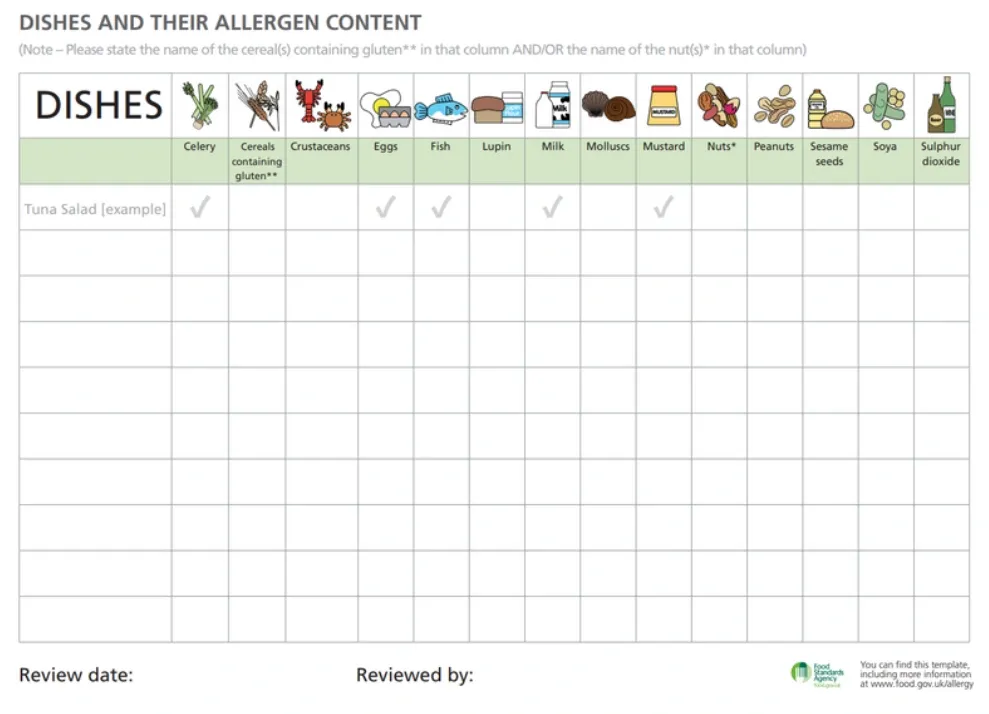
Image Source: The Safety Expert
Definition of allergen control documentation
Allergen control documentation includes the written records, procedures, and evidence that demonstrate how a food business identifies, controls, and communicates allergen risks throughout its operations. Food allergen management refers to the practises and procedures put in place to identify, control, and communicate the presence of allergens in food to protect consumers from accidental exposure [1]. The documentation system extends beyond simple ingredient lists to include risk assessments, cleaning validation studies, supplier declarations, production schedules, training records, and batch traceability documents.
What should an FBO do when reviewing allergen control systems? The answer starts with establishing complete allergen control documentation that captures every touchpoint where allergens could enter, cross-contaminate, or be incorrectly declared in food products. This written framework transforms operational practises into verifiable evidence and creates an audit trail from raw material receipt through to final product despatch.
The role of documentation in protecting consumers
Documentation serves as the backbone of consumer protection in allergen management. Businesses can know precisely what ingredients are present in the food they provide when allergen ingredient information is recorded in written format [2]. Product specification sheets, ingredient labels, and recipe documentation create multiple checkpoints that prevent undeclared allergens from reaching vulnerable consumers.
The numbers underscore this urgency. Undeclared allergens in food products now account for over half of all food recalls in the UK according to the Food Standards Agency [1]. Even trace amounts of allergens can trigger severe and potentially life-threatening reactions for millions of people [3]. Documented procedures and dedicated personnel for updating written allergen information in the event of recipe or ingredient changes [2] create the systematic safeguards needed to prevent these outcomes.
Logs for cleaning schedules, ingredient label checks, training attendance sheets, and allergen testing results show consistency and prove significant during audits or customer complaints [4]. These records transform informal practises into verifiable systems that protect both consumers and businesses.
How documentation demonstrates due diligence
The legal framework surrounding UK food allergen regulations establishes due diligence as a critical defence. Businesses must prove they took all reasonable precautions and exercised all due diligence to avoid offences under the Food Safety Act 1990 section 21 and FSH Regulations 2013 section 12 [5]. The burden of proof lies with the accused business, which must persuade the court on the balance of probabilities.
Local authority guidance specifies that control techniques demonstrating due diligence should include risk assessment, establishing reasonable safeguards, documentation of the solution, operation of the system, and review procedures [5]. Applied to allergen obligations, this requires written training records (both internal and external), signed policies, ingredient lists, staff communications, testing protocols, and audit results [5].
The documented allergen control plan becomes the centrepiece of this defence. Businesses need accurate recipe lists providing clear allergen inventories for all food served [2]. Reminders to update records when recipe changes occur [2] and available written information for allergen requests [2] complete the evidence chain. Courts and regulators assess whether businesses managed to keep these systems consistently, not just whether they existed on paper.
The cost of inadequate allergen records
Beyond the possibility of making customers seriously ill, businesses face financial and reputational damage when failing to comply with allergen information requirements [2]. Local authorities enforce allergen regulations, and failure to comply triggers enforcement action. Businesses ignoring local authority advice receive improvement notices, and non-compliance with these notices results in penalties [2].
The legal consequences extend further. UK allergen information laws impose stringent requirements, and non-compliance carries severe ramifications [6]. Prosecutions for failing to protect customers with allergies demonstrate that inadequate documentation leads to formal legal action [6]. One breakdown in communication, one missing ingredient declaration, or one unverified cleaning record can escalate from a customer complaint to a prosecution.
Product recalls represent another substantial cost. With allergen-related recalls dominating UK food safety incidents, businesses without reliable allergen traceability documentation struggle to identify affected batches, measure the scope of distribution, and execute effective recalls. The reputational damage compounds financial losses, especially in an environment where social media amplifies allergic reactions linked to mislabelled or cross-contaminated products [3].
Legal and certification drivers for allergen documentation
Image Source: Document Compliance Network
Legal and certification drivers for allergen documentation
UK food safety regulations and allergen labelling requirements
Food businesses operating in the UK face layered regulatory obligations that mandate specific allergen control documentation. The Food Standards Agency oversees food safety related labelling for allergens in England [7]. Wales and Northern Ireland maintain separate policy responsibilities for food labelling and compositional standards [7]. Current legislation requires businesses to highlight 14 allergens on product labels using a different font, style, or background colour. These cover cereals containing gluten, crustaceans, eggs, fish, lupin, milk, molluscs, mustard, nuts, peanuts, sesame seeds, soya beans, and sulphur dioxide or sulphites at levels above 10mg per kilogramme or per litre [2].
Natasha’s Law came into force on October 1, 2021 and introduced additional documentation requirements for prepacked foods sold directly [2]. This regulation mandates full ingredient lists with emphasised allergens on foods packaged on the same premises from which they are sold. It applies to all food businesses whatever their size [2]. The law focuses on the 14 major allergens commonly associated with severe allergic reactions and requires establishments to maintain accurate labelling systems with accompanying documentation trails [2].
BRCGS food safety standard clause 5.3 requirements
Global allergen recalls have increased dramatically in the last few decades, though this reflects precautionary recall of products due to non-declaration rather than actual allergic reactions [8]. Root cause analysis has become an integral part of GFSI-recognised food safety management certification schemes such as the BRCGS Global Standard Food Safety. Associated training is essential to ensure capability in this discipline [8]. The standard identifies three main root causes of allergen incidents: failures in the allergen management system, failures in label creation processes that result in wrong or incomplete information, and errors during packing processes that result in wrong product placement in wrong packaging [8].
SALSA and other certification scheme expectations
The SALSA standard establishes specific documentation requirements for smaller food businesses operating from commercial kitchens. Clause 1.4.3 requires allergens handled on site or brought onto site to be identified. Cross-contamination risks must be assessed and controls implemented to minimise potential cross-contamination [9]. The standard references the same 14 allergens specified in UK labelling legislation and requires documented handling and storage procedures. These procedures cover specific cleaning schedules, specific storage requirements, and separation of processes by area or time [9]. Where cross-contamination cannot be avoided on shared surfaces or equipment, businesses must use separate handling and production equipment or apply suitable advisory cross-contamination warning labels [9]. Staff training aligned with allergen procedures must cover controls for allergens brought onto site by employees [9].
ISO 22000 allergen management documentation
ISO 22000:2018 classifies allergens as chemical hazards among radiological substances [6]. The standard relies on prerequisite programmes to address non-process preventive measures whilst considering process allergens within the category of substantial food safety hazards [6]. ISO 22002-1:2009, a sister standard to ISO 22000, specifies requirements to establish, implement, and maintain allergen management programmes based on risk analysis and HACCP principles [6].
ISO 22002-100:2025 Section 12 requires systems to detect, prevent, control, or minimise contamination and cross-contamination to acceptable levels. Allergens are explicitly included as potential contaminants [6]. ISO 22002-2:2025 Section 12.2 specifies that products must be protected from unintended allergen cross-contact through cleaning, segregation, additional protective clothing, and use of dedicated tools or equipment for catering operations [6].
FSSC 22000 Version 6 Additional Requirements mandate a documented allergen management plan. This plan must have a list of all allergens handled on site and a risk assessment covering all potential sources of cross-contamination. It must also identify and implement control measures to reduce or eliminate cross-contamination risk. Validation and verification of these control measures must be maintained as documented information [6].
FSMA preventive controls documentation requirements
The FDA’s position that Current Good Manufacturing Practises address allergen cross-contact is now explicit in regulatory text [10]. Food allergen controls consist of written procedures facilities must implement to control allergen cross-contact and ensure allergens are appropriately listed on labels of packaged food products [10]. Facilities possess flexibility to tailor preventive controls to address hazards occurring in the products they manufacture. These controls must be written and implemented to ensure hazards requiring preventive controls will be substantially minimised or prevented [10].
The Preventive Controls Qualified Individual bears responsibility for overseeing food safety plan development under 21 CFR §117.135(c)(2). This responsibility covers identifying allergen-related risks and ensuring effective procedures prevent contamination and mislabelling [7]. Verification activities should confirm controls function properly through reviewing sanitation records, reviewing label and packaging logs, and conducting internal allergen audits [7].
Essential allergen documents every food business must maintain
Food businesses require a structured portfolio of allergen records spanning raw material sourcing through to finished product distribution. An effective allergen management system must think about all operations from sourcing of raw materials through manufacturing and packaging to the finished product, and new product development [2]. Documentation transforms these operational controls into verifiable evidence that auditors and enforcement authorities can get into.
Allergen risk assessments and hazard analysis
Risk management starts with risk assessment, which for allergens requires thinking about the likelihood that they are present, their physical form (powder, liquid, pieces), and the amount of any allergen present [2]. A documented risk assessment of each raw material or group of raw materials must account for the potential for allergens, both allergen content and potential contamination [2]. This assessment extends beyond ingredients to potential allergen risks from workplace-related food allergens in locker rooms, vending machines, and lunch rooms [8].
The allergen management programme requires a register of allergens applicable in both the country of manufacture and the country of destination [8]. Scheduling decisions should account for the allergen’s form, whether readily dispersible, particulate, or in a form exempt from mandatory declaration [2]. Creating an allergen matrix that lists each product and its allergen status determines a production order that minimises cross contact [2].
HACCP allergen analysis and control measures
All identified intentional and cross-contact allergens must be part of the HACCP-based Food Safety Plan with controls identified [8]. The food safety plan must show the hazards associated with storage, movement, and use of allergens in the plant and how those hazards are controlled [8]. Controls include specifications for ingredients and raw materials, receipt and separate storage, scheduling of allergen-containing materials after non-allergen materials, equipment design to avoid build-ups, control of rework, allergen cleaning and sanitation procedures, and testing protocols [8].
Supplier approval and allergen declarations
A food operator at any point in the supply chain can only perform risk assessment when in possession of correct information about the complete allergen status of raw materials and ingredients used [2]. Supplier approval and verification activities should evaluate whether potential suppliers provide allergen advisory statements for raw materials [8]. Procedures must be set out on how information received from suppliers is handled, processed, and acted upon [2]. A change notification process with suppliers will give proper notification of newly identified allergen risks for ingredients already being supplied [2].
Production scheduling and segregation records
Production scheduling should account for allergens in each food produced, scheduling products with no allergens first, followed by foods with allergens, with cleaning between foods that have different allergen profiles [2]. Production sequences must be kept current and reviewed whenever changes occur, with staff understanding implications if schedules change [2]. Procedures should identify and manage changes to production schedules if allergen status of ingredients changes, and unanticipated changes made just prior to or during production [2].
Cleaning procedures and validation records
Documented and validated cleaning procedures using proper cleaning equipment give effective allergen removal [2]. Cleaning regimens are subject to rigorous validation, with BRCGS stating that where cleaning procedures control specific hazard risks, the procedures and frequency shall be validated [9]. Validation should be carried out under worst-case scenarios and repeated no fewer than three times, accounting for different cleaning teams, seasonal variation in raw ingredients, and production pressures [9]. Testing should use ELISA wherever possible for validation, with lateral flow devices the desired option for verification [9].
Training records and competency assessments
Food business operators must give staff training on managing allergens [11]. Staff should know procedures when asked to provide allergen information, be trained to handle allergen information requests, guarantee allergen-free meals reach the right customer, and understand allergen cross-contamination risks [11]. Allergen training should be provided to all new employees during orientation and repeated annually [2]. Training programmes should cover general allergen awareness and the nature and potential risks of unintended presence from a consumer’s point of view [2].
Labelling verification and artwork approvals
The label specification is a document owned by individual businesses that has all information printed on finished product labels and allergen declarations [12]. Creating label specifications requires all information to be traceable, raw material data used, recipes, processing information, decisions or assumptions made, and label versions [12]. Each time label artwork is redesigned, altered, or undergoes changes, review against specifications will give information that matches [12]. Label artwork review requires formal processes with more than one person, with a technical person possessing food allergen and regulatory knowledge reviewing allergen declarations [12].
Traceability and batch records
Each segment of the supply chain must trace all foods received and supplied and ingredients used to produce finished products [6]. Where accurate information can be retrieved quickly, this minimises withdrawal and recall scale and the effect on public health [6]. Defining batches of food is essential for good traceability and helps limit the amount of food to be withdrawn or recalled [6]. Traceability information should have name and address of supplier or business customer, product details for identification, quantity supplied, and transaction and delivery dates [6].
What auditors expect to see as objective evidence
Image Source: https://pixabay.com/
What auditors expect to see as objective evidence
The difference between documented procedures and implemented practise
A BRCGS Food Safety auditor verifies three elements in parallel during a typical two to three day on-site visit: documentation exists and is current, what’s documented is actually being done, and people at every level understand why [10]. This triangulation separates compliant sites from those with paper systems that exist only for audit purposes. Issue 9 raised expectations substantially on staff understanding, with food safety culture now woven throughout the standard rather than isolated in one clause [10].
An auditor will ask a packing-line operator how they would report a foreign body concern. The answer matters [10]. The same applies when auditors assess allergen audit corrective action records and check whether documented root cause analysis translated into actual process changes on the production floor.
Effective allergen management in action
The scheduled programme must include at least four different audit dates spread throughout the year, with frequency set in relation to risks and previous audit performance [7]. Internal audit reports must identify conformity as well as non-conformity and include objective evidence of the findings [7]. Internal audits provide the mechanism to show effective application of the food safety plan and implementation of Global Standard requirements [7].
So what should an FBO do when reviewing allergen control systems? The answer lies in setting up verification routines that generate objective evidence. Corrective and preventive actions require agreed timescales and completion verification [7]. Complaint data analysis for trends triggers root cause analysis when serious complaints occur, with this analysis made available to relevant staff [7].
Common requests during BRCGS and third-party audits
Verification is now required before implementing changes, including new equipment, new products, and changes to control points or critical limits [10]. The verification report must be ready before the auditor asks why you trust your new metal detector setting [10]. Documented supplier approval procedures with risk-based criteria, approved supplier lists that are current and reviewed, and evidence of ongoing performance monitoring for all suppliers constitute standard requests [10].
The biggest problems cited include incomplete or unsigned CCP monitoring records, expired calibration certificates, allergen documentation that does not match the current production schedule, repeated fabric and maintenance defects without closure evidence, training matrices that omit temporary or agency staff, and traceability tests that cannot complete an end-to-end trace within four hours [10].
How auditors verify cleaning verification
Cleaning verification requires confirmation that cleaning procedures are sufficient to remove allergens or reduce them to an acceptable level [13]. BRCGS Global Food Safety Standard Clause 5.3.8 states that cleaning methods must be verified to ensure they work and the effectiveness routinely checked [13]. Routine checks through visual inspection, ATP, swabs, or microbiological testing provide ongoing evidence [10].
Evidence of continual improvement
Product recall and withdrawal procedures must be tested at least once a year in a way that ensures effective operation [7]. Results of tests and any actual recall shall be used to review the procedure and implement improvements as necessary [7]. This documented improvement cycle shows that the allergen control plan evolves based on performance data rather than remaining static between audits.
Building a document control system for allergen records
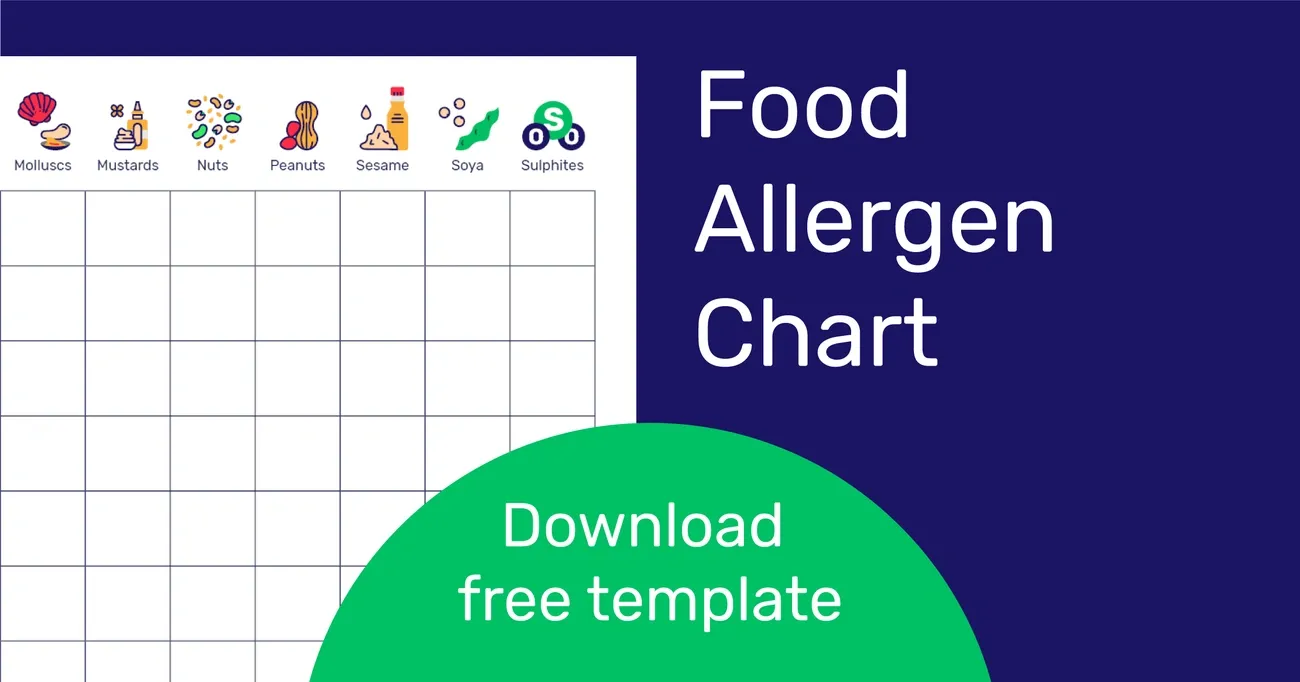
Image Source: FoodDocs
Building a document control system for allergen records
Version control and approval workflows
Document control software prevents operational failures. It ensures teams use current, approved procedures rather than obsolete versions [14]. SharePoint or shared drives alone do not constitute control. Version control requires revision history that can be defended, effective dates, approval workflows, controlled distribution, and audit trails. These trails prove who changed what and when [14]. Food manufacturing systems can implement approval workflows for allergen code creation and allergen set changes on items. State changes trigger approvals without manual intervention [15].
Clear release standards distinguish major updates from minor revisions [16]. Metadata for each iteration should capture the author, modification date, and change description [16]. Approval routing must specify review authority and required reviewers. It must also define re-approval rules when changes are substantial [14].
Document review and update schedules
Procedures should specify review and update requirements for all allergen management documentation [9]. Scheduled review intervals occur annually at minimum [9]. Triggers for unscheduled reviews include ingredient changes, supplier changes, equipment modifications, and process changes. Facility layout changes, new product development, and product recalls with allergens also trigger reviews. The emergence of new scientific information regarding allergen risks requires immediate review [9]. Monthly or quarterly reviews identify missing entries and incomplete corrective actions. They also catch outdated procedures [17].
Controlled versus uncontrolled documents
A controlled document undergoes formal review and formal approval. It has controlled distribution, controlled modification, and controlled storage with access restrictions [8]. Allergen risk assessments, cleaning validation studies, and BRCGS allergen records requirements qualify as controlled documents. They require document control processes [8].
Linking allergen documentation to your wider food safety management system
The quickest way to keep records integrates into existing operations. Delivery invoices and checklists record allergen status [18]. Simple systems work when employees can communicate them easily [18]. Internal compliance with allergen risk control instructions requires regular verification. Trained internal auditors must perform this verification [18].
Digital versus paper-based allergen documentation systems
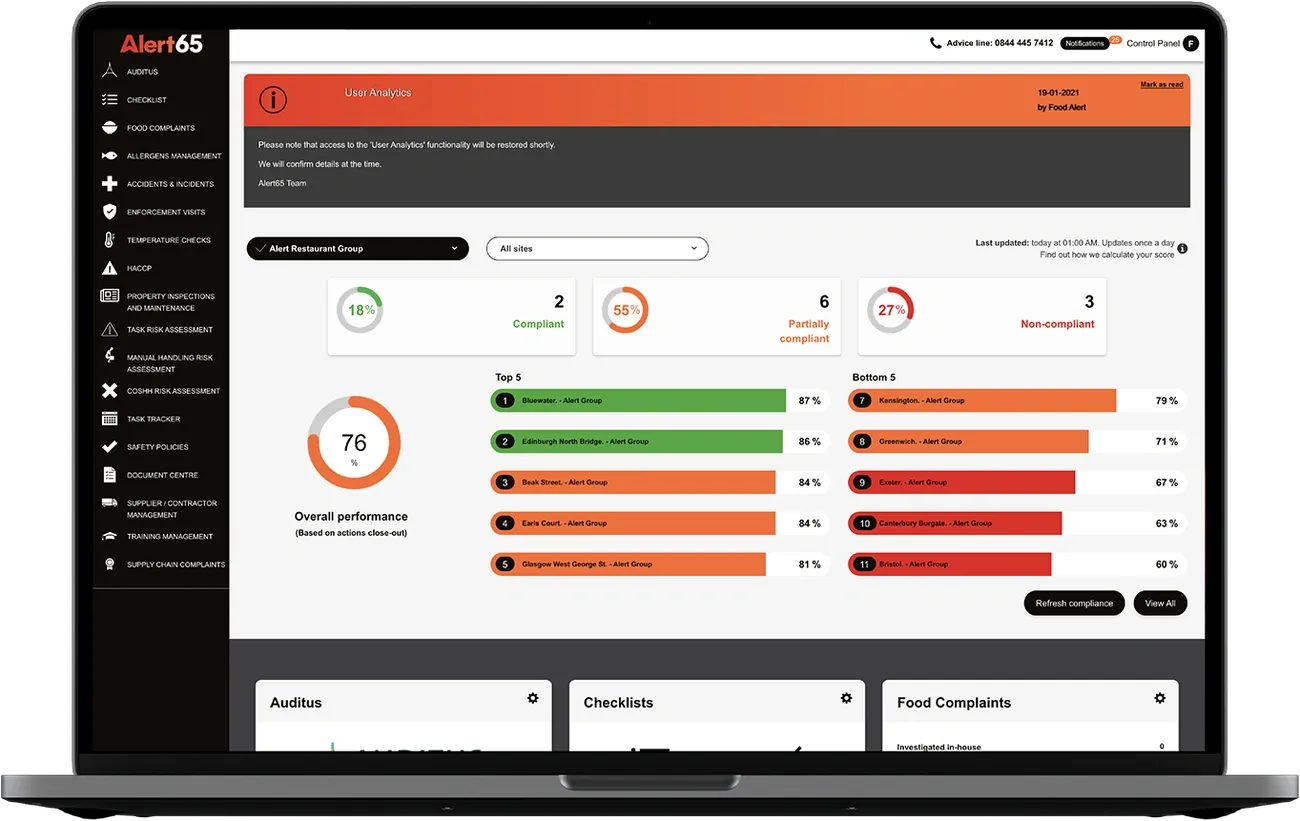
Image Source: Food Alert
Digital versus paper-based allergen documentation systems
Technology choices for allergen control documentation affect retrieval speed, audit performance and regulatory compliance directly. Electronic document management systems reduce administrative overhead by 40-50% compared to paper-based approaches [19]. Quality assurance teams can focus on verification activities rather than searching for records. The global medical document management market was valued at GBP 484.44 million in 2023 and is projected to grow at 11.9% each year through 2030 [19]. This reflects widespread recognition that digital systems deliver measurable operational advantages.
Advantages of electronic document management
Secure digital platforms provide end-to-end encryption, role-based access controls and complete audit trails that go beyond what paper-based security can offer [19]. Automated compliance monitoring reduces violation risks for food businesses managing UK food allergen regulations and ensures arrangement with certification frameworks. Digital capture allows findings to roll into reports without re-keying spreadsheets or paper notes [20]. Corrective action response times accelerate as a result. More than that, offline functionality in mobile applications enables field teams to complete allergen audits without connectivity. Data syncs once online automatically [20].
When paper systems still work
Paper-based systems remain viable in resource-limited settings where digital infrastructure proves unavailable or cost-prohibitive. Simple and sustainable documentation tools have showed high feasibility for replication in resource-limited environments [21]. Structured templates and standardised forms help reduce documentation gaps without requiring full electronic systems [22], especially when you have smaller operations with limited allergen SKU counts.
Hybrid approaches for smaller food businesses
Hybrid solutions combine digital-first workflows with selective paper processes. Businesses transitioning from manual systems get flexibility this way. Regular audit and feedback cycles conducted quarterly help maintain accountability, whatever format you use [21].
Ensuring records are audit-ready in any format
Both digital and paper systems require version control, approval workflows and traceability. What should an FBO do when reviewing allergen control systems? Verify that records show implemented practise through photos, location data and severity classification [20]. This creates objective evidence auditors can get into.
Common allergen documentation gaps and non-conformities
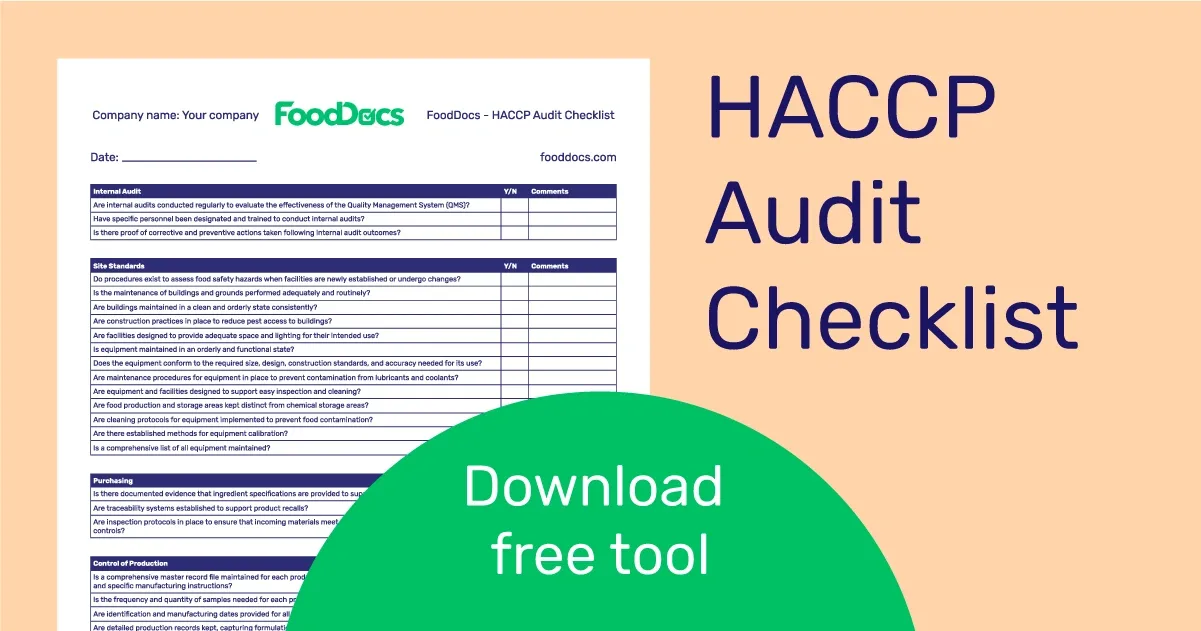
Image Source: FoodDocs
Common allergen documentation gaps and non-conformities
Auditors identify recurring deficiencies in allergen control records in food businesses of all sizes. Food allergen incidents present high food safety risks to allergic consumers and result in costs due to product withdrawals and recalls [2]. These documentation failures reveal vulnerabilities that businesses should address before certification audits.
Missing or incomplete cleaning validation studies
Good records of cleaning validation results are standard practise, but documenting all decisions made before starting validation proves just as important [23]. This has reasons for targeting specific allergens and rationale for swab sampling locations [23]. Documentation demonstrates businesses have done everything reasonably practicable to ensure cleaning effectiveness [23].
Inadequate supplier allergen declarations
Inadequate supplier approval ranks among the biggest problems causing food allergen recalls [2]. Businesses must establish and maintain processes for approving ingredient specifications with suppliers and follow up [2]. Supplier management systems require agreements for suppliers to notify of any changes in ingredient or allergen profiles, with periodic reconfirmation [2].
Poor traceability between batch records and allergen controls
Most legislation requires producers to trace products one step backwards and one step forwards at any point in the supply chain [24]. Poor traceability between batch records and allergen controls hampers recall effectiveness when problems happen [24].
Training records without competency evidence
Staff involved in handling ingredients, equipment and final food products should be aware of cross-contamination possibilities [25]. Training records must document understanding verified through assessment, questioning or practical demonstration [9], not attendance sheets alone.
Label approval processes that miss formulation changes
Inadequate artwork design verification and ineffective communication between marketing and technical teams cause allergen recalls [2]. Businesses need processes with multiple checks for artwork creation and formal final approval to ensure accurate declarations [2]. Confirm that outsourced printers have systems to update to the latest approved artwork [2].
Corrective action records without root cause analysis
Best practise requires investigation to identify why it happens through root cause analysis using proven methods when food incidents occur [2]. Food businesses should develop mitigation steps preventing future incidents based on outcomes [2]. Corrective action records without documented RCA fail to demonstrate continual improvement in allergen management plans [2].
Step-by-step approach to building an audit-ready allergen control documentation system
Systematic implementation separates compliant operations from reactive compliance exercises. A structured methodology will give you confidence that nothing falls through gaps between regulatory requirements and operational reality.
Step 1: Conduct a gap analysis against certification requirements
You should identify all applicable reference materials. These include regulatory requirements and third-party audit standards [26]. Develop a checklist that captures each requirement. Document observations and findings for each section [27]. Once you identify gaps, determine root causes. Techniques like the “Five Whys” approach work well here [26].
Step 2: Develop your core allergen control plan
An allergen control plan represents systematic documentation regarding storage, handling, processing, packaging and identification of allergenic foods [28]. This written framework must address processing controls and education protocols. It should also cover receiving procedures, production scheduling and supplier audits [27].
Step 3: Create document templates and procedures
Establish standardised templates. These should cover purpose, definitions, responsibilities and allergen inventory. Risk assessment, supplier control, segregation and production control need templates too. Don’t forget cleaning, labelling, training, customer asking, verification and document review [29].
Step 4: Implement version control and approval processes
Define release standards that distinguish major from minor updates. Metadata should track each iteration. Implement review processes that verify changes arrange with standards [16].
Step 5: Train staff on documentation requirements
Staff must know procedures when providing allergen information. They need to handle requests accurately and understand cross-contamination risks [30]. Training should be role-specific. Hands-on practise makes it stick [11].
Step 6: Establish monitoring and verification schedules
Conduct allergen assessments annually at minimum. Check vertical storage practises, pre-operative inspections and label check practises [31]. Production schedules require daily sign-off by responsible employees [31].
Step 7: Prepare for unannounced audits
Audit-ready facilities can receive visits at any time. This builds confidence consistently [32]. Certification bodies must notify within three months if the next audit will be unannounced [33]. Auditors require access within 30 minutes of arrival [33]. Mock audits help identify issues. Apply root cause analysis to prevent recurrence [32].
Conclusion
Resilient allergen control documentation protects consumers and business operations from severe consequences. Food businesses that implement record-keeping systems, validation protocols and verification schedules reshape compliance from reactive paperwork into proactive risk management. Documentation quality and consistency make the difference between passing certification audits and facing non-conformities. Businesses should start with gap analysis and develop templates. Staff training comes next, and verification routines that generate objective evidence follow. These systems create audit-ready evidence within weeks when you execute them right. They are the foundations of allergen management that evolves with operational changes and regulatory developments.
Key Takeaways
Effective allergen control documentation transforms compliance from reactive paperwork into proactive risk management that protects consumers and business operations.
• Documentation proves due diligence: Written allergen records serve as legal defence under UK Food Safety Act 1990, with businesses required to demonstrate all reasonable precautions through systematic documentation.
• Seven essential document types required: Risk assessments, HACCP analysis, supplier declarations, production schedules, cleaning validation, training records, and traceability systems form the audit-ready evidence portfolio.
• Auditors verify implementation, not just procedures: BRCGS auditors examine whether documented systems are actually followed, requiring objective evidence that staff understand and implement allergen controls consistently.
• Digital systems reduce administrative overhead by 40-50%: Electronic document management accelerates retrieval, improves version control, and provides comprehensive audit trails compared to paper-based approaches.
• Common gaps cause certification failures: Missing cleaning validation studies, inadequate supplier declarations, poor traceability links, and training without competency evidence represent the most frequent non-conformities.
• Seven-step implementation ensures success: Gap analysis, core plan development, template creation, version control, staff training, monitoring schedules, and unannounced audit preparation create sustainable allergen management systems.
FAQs
Q1. Which allergens must food businesses declare on their labels? UK food safety regulations require businesses to declare 14 major allergens on product labels: cereals containing gluten, crustaceans, eggs, fish, lupin, milk, molluscs, mustard, tree nuts, peanuts, sesame seeds, soya beans, and sulphur dioxide or sulphites (when present above 10mg per kilogramme or litre). These allergens must be highlighted using a different font, style, or background colour to make them easily identifiable to consumers.
Q2. What types of food safety audits do businesses undergo? Food safety audits are categorised into three types based on who conducts them. First-party audits are internal assessments conducted by the business itself. Second-party audits are performed by customers or suppliers evaluating their business partners. Third-party audits are carried out by independent certification bodies to verify compliance with standards like BRCGS or SALSA. Each type serves different purposes in verifying allergen control systems.
Q3. Is allergen information display legally required for food businesses? Yes, displaying allergen information is a legal requirement in the UK. Food businesses must provide accurate allergen declarations on prepacked foods and make allergen information available for non-prepacked foods sold to consumers. Since Natasha’s Law came into force in October 2021, prepacked for direct sale foods must also display full ingredient lists with emphasised allergens, regardless of business size.
Q4. What documentation proves effective allergen management during audits? Auditors expect to see objective evidence including validated cleaning procedures, supplier allergen declarations, production scheduling records, staff training with competency assessments, traceability documentation linking batches to allergen controls, and corrective action records with root cause analysis. The documentation must demonstrate that written procedures are actually implemented in daily operations, not just existing on paper.
Q5. How often should allergen control documentation be reviewed and updated? Allergen management documentation should be reviewed at least annually as a minimum standard. However, unscheduled reviews are necessary whenever ingredient changes occur, suppliers change, equipment is modified, processes are altered, new products are developed, or allergen-related recalls happen. Regular monthly or quarterly reviews help identify missing entries, incomplete corrective actions, and outdated procedures before certification audits.
References
[1] – https://www.campdenbri.co.uk/blogs/business-critical-allergen-management.php
[2] – https://www.fdf.org.uk/globalassets/resources/publications/guidance/allergen-recall-prevention-guidance.pdf
[3] – https://www.sgs.com/en-id/news/2025/11/what-every-food-business-needs-to-know-about-allergen-control
[4] – https://www.fooddocs.com/food-safety-templates/allergen-control-sop
[5] – https://www.fdf.org.uk/globalassets/resources/webinars/fdf-webinar-allergen-law-awareness-slides.pdf
[6] – https://www.food.gov.uk/sites/default/files/media/document/food-traceability-withdrawals-and-recalls-guidance.pdf
[7] – https://www.brcgs.com/media/1055378/food-safety-issue-8-checklist-english.docx
[8] – https://www.consepsys.com/2019/01/16/controlled-and-uncontrolled-documents/
[9] – https://foodindustryhub.com/fsqms-guide/management-of-allergens/
[10] – https://documentcompliance.com/brcgs-audit-checklist-for-food-manufacturing/
[11] – https://www.ideagen.com/thought-leadership/blog/document-version-control-best-practises
[12] – https://info.allergenbureau.net/infographic/label-artwork/
[13] – https://www.klipspringer.com/blogs/allergen-cleaning-validation-a-practical-guide-for-food-factories/
[14] – https://sgsystemsglobal.com/guides/document-control-software/
[15] – https://business-central.to-increase.com/md/en-US/Aller-task-allergen-approval-workflow
[16] – https://www.getgen.ai/post/how-to-handle-versioning-in-approval-workflows-effectively
[17] – https://protocolfoods.com/blog/how-to-keep-your-food-safety-documentation-organised-for-inspections
[18] – https://www.fooddrinkeurope.eu/wp-content/uploads/2022/04/FoodDrinkEuropes-Guidance-on-Food-Allergen-Management-for-Food-Manufacturers-2022.pdf
[19] – https://www.enter.health/post/electronic-document-management-in-healthcare-what-you-need-to-know
[20] – https://www.inspectly360.com/checklists/food-beverage/allergen-labelling-audit
[21] – https://pmc.ncbi.nlm.nih.gov/articles/PMC12718090/
[22] – https://www.mdpi.com/2227-9032/14/7/957
[23] – https://www.rssl.com/media/faad4ehy/rssl-white-paper-cleaning-validation-in-allergen-management.pdf
[24] – https://www.foodmanufacturing.com/home/blog/21100957/abb-using-traceability-to-combat-allergenbased-recalls-risks
[25] – https://www.food.gov.uk/business-guidance/allergen-labelling-for-food-manufacturers
[26] – https://www.food-safety.com/articles/9404-fundamentals-of-conducting-an-allergen-gap-assessment
[27] – https://certified-laboratories.com/blog/how-to-conduct-an-allergen-gap-assessment/
[28] – https://www.food-safety.com/articles/5509-putting-together-an-effective-allergen-control-plan
[29] – https://www.fooddocs.com/hubfs/Allergen_management_procedure_template.pdf
[30] – https://www.food.gov.uk/business-guidance/allergy-training-for-food-businesses
[31] – https://kellermanconsulting.com/episode-3-monitoring-allergens-in-operation/
[32] – https://www.bsigroup.com/globalassets/localfiles/en-za/Customised-Audits/Improving_Unannounced_Audit_results_article_ZA.pdf
[33] – https://1stc.uk/brcgs-unannounced-audits-how-to-prepare/