
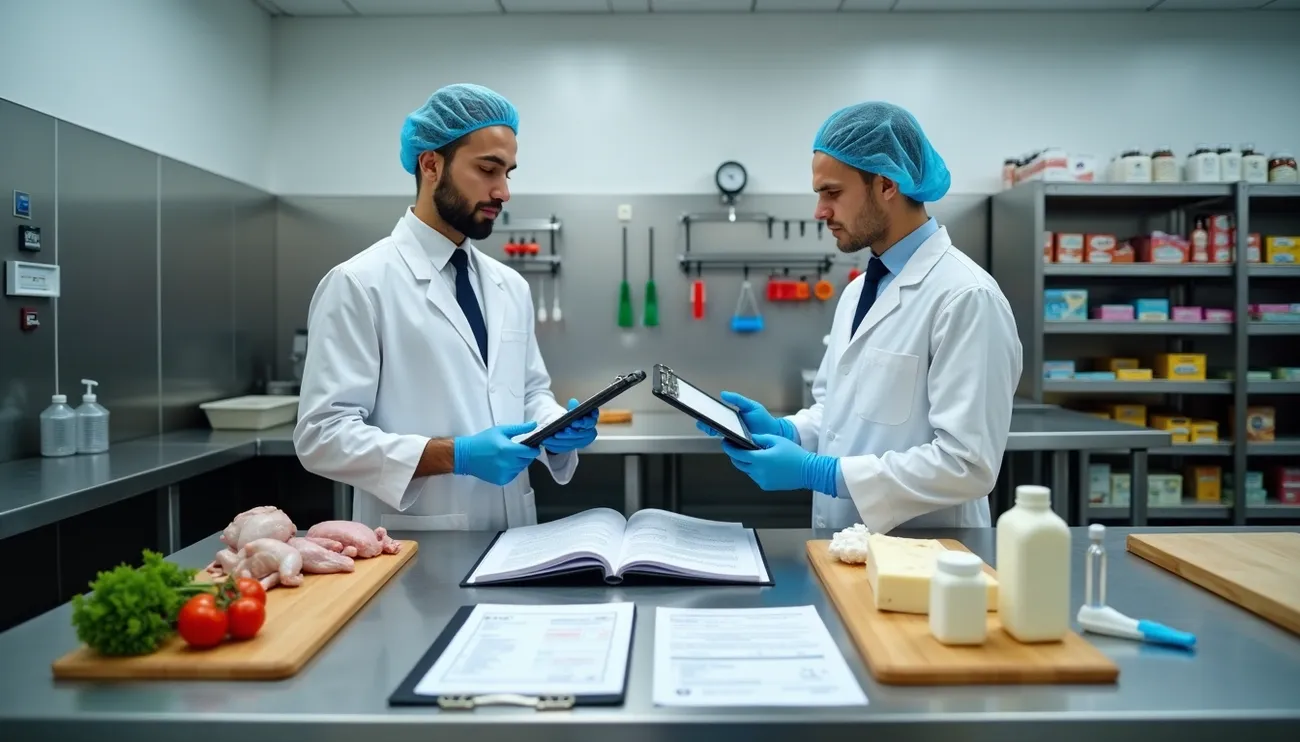
 Kosher Halal allergen control represents a compliance intersection for UK food businesses serving a global consumer base of approximately 1.8 billion Muslims. This accounts for 24% of the world’s population. The market for halal and kosher food has expanded substantially. Halal-certified products increased by 19% from 2018 to 2020, the market shows. Food manufacturers face a dual challenge. They must maintain strict allergen controls while adhering to kosher and halal religious dietary requirements under Kashrut and Halal law. This piece gets into how allergen management protocols intersect with religious certification standards. It addresses segregation requirements, cleaning validation and UK regulatory expectations. Practical implementation strategies for achieving compliance in both frameworks are also included.
Understanding Kosher and Halal Certification Principles
What Kosher certification means under Kashrut law
Kashrut represents a complete set of Jewish dietary laws governing which foods are permissible and how they must be prepared according to Jewish religious law [1]. The term “kosher” derives from the Hebrew word meaning “fit” or “proper”, showing food that lines up with these religious requirements and is suitable for consumption under halakha (Jewish law) [2][3]. The foundational principles of Kashrut originate from the Torah’s Books of Leviticus and Deuteronomy. Practical applications are detailed in the Mishnah and Talmud [1].
The classification system under Kashrut designates food as either kosher (permissible) or treif (forbidden) [2]. Only certain mammals, birds and fish meeting specific criteria qualify as kosher. Consumption of pork, shellfish and other specified animals remains prohibited [2]. Blood consumption is strictly forbidden under Torah law, which requires ritual slaughter and blood removal processes [2][2].
Kosher certification functions as third-party verification by rabbinic agencies confirming that products, ingredients and production processes comply with Jewish dietary standards [4][3]. The certification process requires inspection of every manufacturing step and ensures all ingredients are kosher-compliant and free from cross-contaminating elements [4]. Certified products display a hechsher, a proprietary symbol showing compliance with kosher laws [2][3].
What Halal certification means under Islamic dietary law
Islamic dietary laws classify foods and beverages as halal (permissible), haram (forbidden), or mashbuh (dubious) based on scriptural injunctions found in the Quran and Hadith [5]. The fundamental principle in Islamic jurisprudence states that all things are halal unless Sharia law declares otherwise [5]. This approach is different from kosher law’s more restrictive baseline.
The Quran identifies 13 haram categories: dead animals (carrion), flowing blood, pork in all forms, animals slaughtered in names other than Allah, strangulated animals, animals killed by injury, fallen dead animals, animals dying from another animal’s horn, animals killed by other animals, animals slaughtered at idol altars, wine and intoxicants, animals slaughtered incorrectly, and hunting during Ihram [5]. Haram classifications extend to derivative rules not stated but prohibited based on Sharia regulations [5].
Halal certification provides independent verification that products comply with Islamic ethos and applicable halal standards [6]. The procedure involves technical audits of manufacturing facilities and scrutinises raw materials and finished products against prescribed halal criteria [6]. Certification bodies comprising Islamic scholars and officers make final certification decisions independent of the auditing process [6]. Several countries including the UAE, Saudi Arabia, Qatar, Pakistan, Bangladesh, Indonesia, Malaysia, Morocco and Turkey require halal certificates for meat and meat-derived products for port clearance prior to granting market access [6].
Core requirements for each certification system
Both certification frameworks mandate specific slaughter protocols. Kosher animals require shechita, performed by a trained shochet who severs the trachea, oesophagus, carotid arteries and jugular veins using an ultra-sharp chalaf knife in a single, quick cut [2][2]. The slaughtered animal undergoes internal organ examination for fatal diseases. Any specified tereifot defects render the entire animal non-kosher [1]. Blood removal occurs through soaking and salting within 72 hours of slaughter [1].
Halal slaughter follows dhabihah, requiring a swift, deep throat incision with a very sharp knife that cuts the windpipe, jugular veins and carotid arteries whilst leaving the spinal cord intact [5]. The butcher must invoke Allah’s name (Bismillah) for each animal whilst the carcase hangs upside down for complete blood drainage [5][3]. The slaughterer must be a Muslim of sound mind who has reached maturity and possesses knowledge of correct Islamic slaughter methods [3].
Equipment and facility standards present distinct requirements affecting allergen control protocols. Kosher production prohibits mixing meat and milk derivatives and requires separate equipment for storage and preparation of meat-based and dairy-based foods [2]. Even trace amounts of non-kosher substances (as little as 1.66% of food volume) render otherwise kosher food non-kosher [1]. Equipment used for hot production of non-kosher products requires kosherization (hot purging procedure) before kosher use [3].
Halal facilities must maintain integrity of halal identity from start to finish throughout the supply chain [7]. Resilient sanitation protocols verified by testing (ATP or DNA) allow shared facilities producing halal and non-halal products, provided strict separation prevents cross-contamination [7]. Documentation requirements include material purchasing records, certificates of analysis, vendor halal certifications, sanitation protocol validation and laboratory testing results including DNA testing [7].
Key Differences Between Kosher and Halal Food Laws
Religious dietary laws are very different when it comes to permitted ingredients, slaughter protocols and facility management. These differences create distinct compliance frameworks that affect allergen control strategies for UK food manufacturers pursuing dual certification.
Permitted and prohibited ingredients
Both Kashrut and Halal dietary frameworks prohibit pork consumption and its by-products [6]. The range of acceptable animals is quite different between the two systems. Kosher law allows only mammals that both chew the cud and possess split hooves. This restricts permissible species to ruminants such as cattle, sheep, goats, deer and antelope [6]. Camels, rabbits and equines are excluded from kosher consumption [6].
Halal permits a broader range of animals. Camels and all herbivorous species that do not prey on other animals are allowed [6]. The Islamic framework excludes carnivorous animals that hunt with their teeth (lions, wolves, dogs, cats) and birds of prey that hunt with claws or talons (falcons, eagles, hawks) [6]. Both dietary laws forbid most insects, but locusts represent the sole exception permitted under both frameworks [8].
Seafood regulations present another big difference. Kosher law restricts fish consumption to species possessing both fins and scales. Shellfish and other marine creatures lacking these features are prohibited [6]. Halal dietary law permits all types of seafood, including shellfish, with the exception of fish found dead and rotting in water [6].
Alcohol is a key difference that affects ingredient formulation and food allergen control UK protocols. Islamic law prohibits consumable alcohol (ethanol) in all forms [9]. Kosher law allows certain alcoholic beverages, particularly wine, provided production occurs under rabbinical supervision adhering to Kashrut requirements [6].
Slaughter and processing requirements
Both certification systems mandate specific ritual slaughter methods. The process involves a swift, deep throat incision that severs the trachea, oesophagus, jugular veins and carotid arteries whilst leaving the spinal cord intact [6]. A trained shochet must perform the Jewish method (shechita). This person is a pious, certified Jewish male, often a rabbi [6]. The knife (chalaf) cannot have any nicks or unevenness. The cutting motion must avoid any tearing during slaughter [6].
Any sane adult Muslim can perform Islamic slaughter (dhabihah). Some traditions expect every qualified adult to slaughter at least one animal annually [10]. The slaughterer must recite a prayer invoking Allah’s name (Bismillah) for each animal. The carcase must be positioned facing Mecca during the process [6].
Post-slaughter processing further distinguishes the two systems. Kosher meat undergoes mandatory soaking and salting within 72 hours of slaughter to remove residual blood. Halal processing has no such requirement [6]. Kosher animals require thorough internal organ inspection, particularly lung examination for smoothness (glatt kosher standard). Any defects render the entire animal treif (non-kosher) [6]. This rigorous inspection results in rejection rates of 51% for cattle carcasses and 43% for sheep carcasses slaughtered via shechita [11].
Equipment and facility standards
Kosher production requires dedicated equipment for meat and dairy products. Utensils, cookware and dishwashers must be kept separate for each category [6]. New metal utensils require toveling (ritual immersion in a mikvah) before use in kosher food preparation. This practise is unique to Jewish dietary law with no Halal equivalent [6]. Equipment previously used for non-kosher production requires kashering through boiling water or direct heat to remove absorbed non-kosher substances [6].
Halal facilities are more flexible regarding shared equipment. Islamic law permits reuse of kitchen utensils after thorough sanitization. Facilities can process both halal and non-halal products on shared lines provided robust cleaning protocols prevent cross-contamination [8].
Meat and dairy separation in Kosher vs Halal flexibility
The treatment of meat and dairy products is maybe the biggest operational difference. This affects allergen segregation protocols and UK food allergen regulations compliance. Kosher law prohibits cooking, processing or consuming meat and dairy together. Separate production lines, storage areas and even waiting periods between consuming meat and dairy products are required [8]. This mandatory separation extends to all processing equipment. Physical segregation creates inherent allergen control benefits.
Halal law imposes no restrictions on combining meat and dairy products. Simultaneous consumption and processing are allowed without separation requirements [6]. This flexibility reduces infrastructure costs but requires alternative allergen control strategies when managing dairy allergens in meat-containing products.
Why Allergen Control Matters in Religious Certification
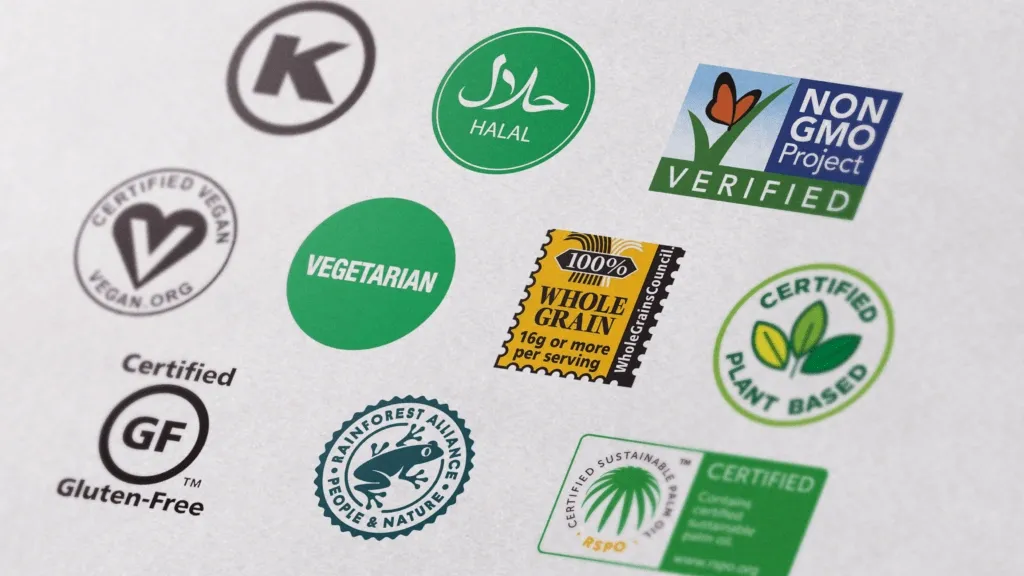
Image Source: LinkedIn
The intersection of religious dietary requirements and allergen safety creates a compelling compliance landscape where prohibited substances function like allergens in their effect on consumer safety and trust. UK food businesses pursuing kosher and halal certification among allergen control programmes need to understand this parallel.
Overlap between religious requirements and allergen safety
Haram substances within Islamic dietary law can be conceptualised as an allergen that Muslim consumers must avoid entirely [6]. This analogy extends to practical application. Consuming trace amounts of peanut protein poses substantial risk to individuals with peanut allergies. Even minute quantities of forbidden ingredients render food haram for observant Muslims [6]. The religious significance of halal compliance mirrors the physiological urgency of allergen avoidance and creates parallel control requirements in manufacturing environments.
The trace contamination threshold presents similar challenges across both frameworks. Even 1.66% of food volume containing non-kosher substances renders otherwise kosher food treif, whilst any detectable haram residue compromises halal status. Cross-contact with the 14 regulated allergens can trigger severe reactions in sensitive individuals [12]. This means that strong segregation and cleaning protocols designed for allergen management support religious certification compliance at the same time. Manufacturers pursuing dual objectives create operational synergies.
Cross-contamination scenarios affecting kosher and halal certification status directly parallel allergen cross-contact risks. Shared equipment, improper cleaning between production runs and inadequate storage separation compromise both religious authenticity and allergen safety. The protocols required to avoid haram contamination lead to cleaner production processes that are monitored more rigorously. These catch quality issues others might miss [6]. So halal and kosher certification procedures often raise the overall food safety bar and benefit all consumers, whatever their religious observance.
Consumer expectations for certified products
Kosher-certified products are viewed as cleaner and healthier, even among consumers outside religious groups [13]. This perception stems from the rigorous inspection and segregation requirements inherent in kashrut compliance. The detailed oversight provided by rabbinical authorities and halal certification bodies creates consumer confidence that extends beyond religious dietary needs to general quality assurance expectations.
Halal foods have become tied to clean-label trends and attract health-conscious consumers seeking products manufactured under strict ethical and safety standards [13]. Staff training must meet food service standards equivalent to those applied to allergy meals when serving cultural meals to people of specific faiths. This avoids unacceptable cross-contamination [6]. This expectation reflects consumer understanding that religious certification needs the same diligence as food allergen control UK protocols.
Strong processes and appropriate labelling prove vital to help patients and consumers feel confident that products do not contain inappropriate ingredients [6]. Many individuals with dietary concerns exhibit suspicion towards food they have not prepared themselves. Transparent documentation and verification procedures are critical for maintaining trust in certified products [6]. The halal certification label functions like an allergen-free designation and certifies that food remains free from haram ingredients. This provides Muslim consumers the peace of mind necessary to purchase with confidence [6].
Legal responsibilities beyond religious compliance
UK food businesses face statutory obligations for allergen management that operate independently of religious certification but intersect substantially with kosher and halal requirements. Food business operators must ensure staff receive training on managing allergens effectively [10]. This legal mandate lines up with the training rigour expected for handling religiously certified products and creates opportunities for integrated training programmes addressing both compliance areas.
The Food Information Regulations 2014 require food businesses to provide allergen information to consumers and handle food allergens effectively during preparation [12]. These regulations establish baseline requirements that certified facilities must meet, whatever the religious oversight. Approximately two million people in the UK experience food allergies annually, with hospital admissions for allergic reactions increasing by 500% since 1990 [11][6]. Notably, 92% of individuals living with severe allergies express concern about eating out [11].
Food businesses must declare 14 specified allergens when present as ingredients: celery, cereals containing gluten, crustaceans, eggs, fish, lupin, milk, molluscs, mustard, peanuts, sesame, soybeans, sulphur dioxide and sulphites above ten parts per million, and tree nuts [12]. Staff must know procedures for providing allergen information and handle requests with accuracy. They must guarantee allergen-free meals reach the correct customer and understand cross-contamination risks during food handling and preparation [10]. Failure to comply with allergen information requirements can result in enforcement action from local authorities, financial penalties and reputational damage beyond any religious certification suspension [12].
Manufacturers pursuing UK food allergen regulations compliance among kosher and halal certification must implement integrated quality management systems addressing both legal and religious standards at the same time. This dual compliance framework strengthens overall food safety whilst meeting diverse consumer needs across religious and health-based dietary requirements.
Segregation Requirements and Cross-Contact Risks

Image Source: American Halal Foundation
Physical separation protocols are the foundations of Kosher Halal allergen control programmes. Both certification systems mandate strict segregation to prevent prohibited substance transfer during production, storage and distribution phases.
Kosher meat and dairy separation implications
The prohibition against mixing meat and dairy represents one of kashrut’s most stringent requirements, based on biblical verses forbidding boiling a kid in its mother’s milk [9]. This dietary law extends beyond ingredient combinations to include equipment, utensils and facility infrastructure. Kosher-observant operations maintain two distinct sets of crockery and cutlery: milchig (dairy) and fleishig (meat). Parve (neutral) items require separate designation [9].
The ben yomo principle establishes that vessels and utensils should not be used to cook milk within 24 hours of being used to cook meat, and vice versa [9]. This time-based restriction stems from the understanding that infused tastes can endure in cooking vessels or utensils for up to 24 hours [9]. Therefore, parve food cooked in a meat utensil within 24 hours cannot be consumed with dairy products under Ashkenazi tradition [9]. Production facilities managing multiple product lines face scheduling complexities because of this temporal element.
Kashrut thinks about absorption and transference concepts when heating food or ingredients [8]. Flavour or taste may be absorbed into the heating or cooking vessel when foods or ingredients are heated. That essence can subsequently transfer to any food cooked in the same vessel, even after cleaning [8]. Cookware and ovens must be dedicated to kosher production to preserve the kosher essence of food [8]. Separate sinks or dishwashers are required to avoid absorption or transference during cleaning [8].
Shared equipment challenges in dual certification facilities
Facilities producing both halal and non-halal products face substantial cross-contamination risks without rigorous controls. Halal-certified facilities either use dedicated processing lines for halal production or follow rigorous cleaning protocols before halal production begins. These protocols include washing, sanitising and proving equipment cleanliness to remove all residues from previous non-halal runs [8]. Halal production is separated from non-halal operations through separate workstations, utensils, cold storage areas and packaging lines where possible [8].
The same equipment such as grills, fryers, mixers and knives used for halal and non-halal products without thorough cleaning can transfer residue from non-halal items such as pork grease or alcohol-based marinades [8]. Equipment used for non-halal processes should undergo strict cleansing, known as ritual cleansing (tazkiyah or sertu), if shared with halal products [14]. To name just one example, if a production line produced najis al-mughallazah (highly impure substances), the line must be cleaned with verification conducted by a halal certification body [10]. The line can only be used for halal food after conversion and cannot be reused for najis al-mughallazah production [10].
Segregation between meat, dairy and neutral products must be maintained at all times. All equipment, utensils, pipes and steam must be designated to the proper category [6]. A facility must produce the same group of approved products using the same ingredients to be approved for kosher and halal certification, otherwise continuous supervision becomes necessary [6].
Cross-contamination scenarios affecting certification status
Cross-contamination occurs when halal food comes into contact with non-halal substances either directly or indirectly during processing, handling or packaging stages [8]. Even the smallest trace of haram substances like pork, alcohol or improperly slaughtered animal products can render the entire batch non-halal under Islamic dietary law [8]. Shared equipment, utensils, surfaces, storage containers and transportation systems can all become potential sources of contamination if not cleaned and separated [8].
Muslims avoid food that may be cross-contaminated to prevent consuming traces of haram substances and to uphold the purity of their diet [15]. Halal food may become najis (impure) if it comes into contact with impure or prohibited substances. This happens in restaurants and shared kitchens where utensils, grills or oil may be used for both halal and haram items, surfaces are not cleaned between preparations, or food may be stored or transported together without proper separation [15].
A prohibited mixture may be created if a small amount of meat falls into a dairy utensil during kosher production, or a dairy utensil contacts hot meat [16]. The details vary depending on temperature, quantity and how the contact occurred [16]. A spoon used in hot soup absorbs meat flavour. That same spoon used later in hot coffee can create a prohibited mixture of meat and dairy [16].
Storage and handling protocols
Failure to separate halal and non-halal ingredients during raw material and finished product storage is one of the most common causes of cross-contamination in the halal industry. Shared shelves, freezers or refrigerators that are not labelled contribute to this problem [8]. This issue increases the risk of physical contamination, such as pork being mixed with raw meat [8]. Businesses should invest in separate storage units for halal and non-halal items and use labelled containers and sections for halal products to avoid the risk of spills, drips or airborne transmissions [8].
Cross-contamination can occur through accidental contact, spills or mixing when halal and non-halal ingredients or products are stored close together [17]. Proper labelling and dedicated halal storage spaces are essential to minimise these risks [17]. Temperature-controlled storage must also adhere to these separation protocols [18]. Halal products must be kept separate during freezing. Frozen halal products should be maintained apart from non-halal products under warehouse inspector supervision [10].
Containers, receptacles, racks and shelves used for meat and any meat products must always be free from contamination with non-kosher or non-halal foods [6]. Carcasses must be marked and traced throughout evisceration, processing and packaging to ensure that kosher- and halal-slaughtered meat do not mix with non-kosher or non-halal product [6]. Halal products transported in shared vehicles with non-halal goods face contamination risk from residual particles, spills or improper cleaning. This necessitates dedicated transport or validated cleaning procedures with proper documentation of transport compliance [18].
Employees unaware of halal requirements may cause cross-contamination by wearing the same gloves or using the same knives or trays for preparation [8]. Dedicated staff may be required for handling halal production to prevent accidental contamination by employees unfamiliar with halal protocols [14]. Weekly training sessions on halal requirements educate employees and provide best practises under trained supervisor guidance [8].
Cleaning, Sanitation and Validation Under Religious Standards
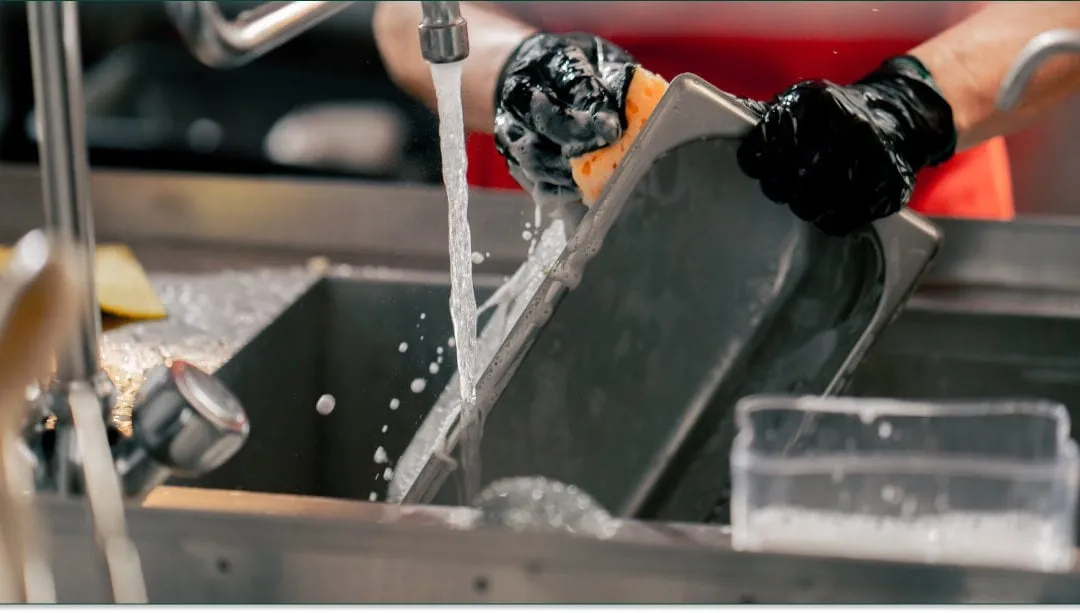
Image Source: American Halal Foundation
Religious cleaning protocols extend beyond standard sanitation to include spiritual purification requirements that intersect with allergen residue removal validation for facilities pursuing dual allergen and religious certification compliance.
Kosher koshering and cleaning procedures
Kashrut prescribes four distinct kashering methods depending on utensil type and usage: libun gamur (complete burning), hagalah (boiling immersion), iruy kli rishon (pouring boiling water), and libun kal (light burning) [19]. Equipment must be really cleaned and remain unused for 24 hours before kashering commences [19]. Metal utensils undergo hagalah by immersion in boiling water whilst on the fire. Water returns to boil between items [19]. Ovens require cleaning with caustic cleanser and a 24-hour non-use period. Heat them to broil for 60 minutes to achieve libun kal [19]. You can kasher granite, stainless steel, and composite countertops by pouring boiling water with an even melubenet (heated stone) that reheats water on contact surfaces [19].
Halal cleaning and equipment purification standards
Sertu represents the ritual cleansing process used when major najis such as porcine or dog contaminants contact equipment surfaces [13]. This process involves washing the contaminated area seven times. At least one wash must include a mixture of water and earth (typically Diatomaceous Earth) to purify both physically and spiritually [13]. Shared facilities employ high-level sanitisation protocols using Diatomaceous Earth in prescribed ratios for equipment previously used for non-halal production [13]. Regular ATP testing confirms no non-halal contaminant traces remain, with acceptable RLU readings of 10 or below for halal production [13]. All sanitising agents must be halal-compliant and avoid alcohol or animal-derived ingredients unless meeting halal standards [13]. Cleaning substances themselves require halal certification confirming ingredients are permissible and production avoids cross-contamination with non-halal substances [12].
Validating allergen residue removal where religious rules apply
Product transitions represent sensitive audit areas requiring documented cleaning validation, especially when you shift from high-risk products containing gelatin or doubtful additives to halal-certified items [11]. Any trace of non-halal material can invalidate certification of subsequent products [11]. Advanced testing methods including ATP swab tests or DNA analysis provide scientific evidence of cleanliness beyond visual inspection [11]. Research demonstrates that commercial warewashing processes leave varying amounts of food allergen residue (1.6 to >10.0 mg/kg total sesame protein) on materials despite appearing visually clean [20]. Warewashers can transfer food allergens to subsequent wash cycles and onto food contact surfaces (>10.0 mg/kg total sesame protein) [20]. Polypropylene plastic is hardest to clean whilst glass jars show easiest allergen removal [20]. Then facilities pursuing UK allergen compliance among kosher and halal certification must implement validation protocols exceeding visual cleanliness standards.
Documentation requirements for cleaning verification
Accurate cleaning records are vital for halal standards compliance [13]. Detailed cleaning and sanitation logs must document date, time, areas cleaned, and personnel involved [13]. ATP testing records include results and corrective actions when RLU readings exceed acceptable limits [13]. Certification bodies receive regular halal compliance reports that detail all cleaning and sanitation activities [13]. Facilities must document incidents where non-halal contamination is detected. This includes contamination source, corrective measures, and resolution verification [13]. Detailed Sertu records are required whenever major najis contamination such as pork or alcohol is detected, including cleaning procedure, materials used, and verification tests performed [13]. Cleaning validation during product transitions must be documented with precision through detailed schedules, swab test results, chemical usage logs, and quality control validation reports [11]. Improper validation is one of the most common causes of nonconformities and can be classified as critical findings that delay or block certification [11]. Facilities managing multiple certification frameworks benefit from integrated documentation systems addressing religious and allergen control requirements at the same time.
UK Regulatory Framework and Certification Body Expectations
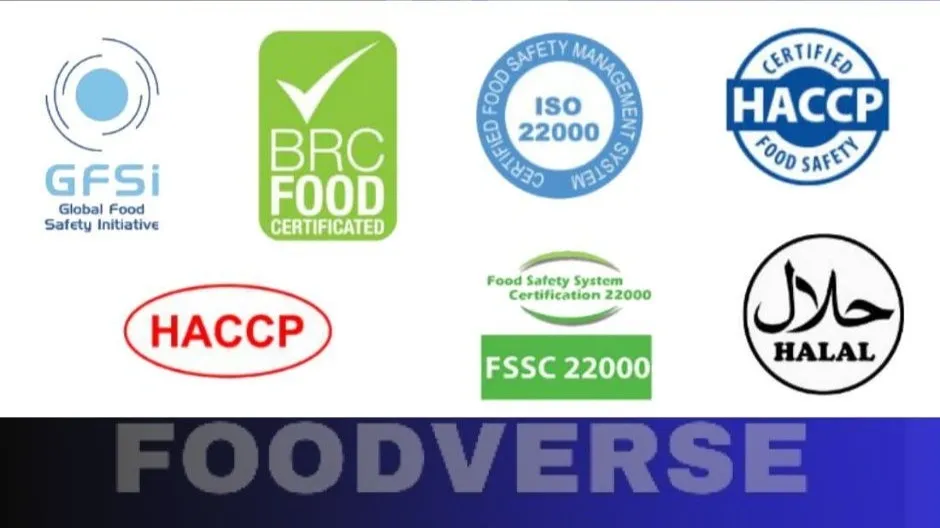
Image Source: LinkedIn
UK allergen law baseline requirements
The Food Standards Agency (FSA) oversees food safety and hygiene in England, Wales and Northern Ireland. It establishes mandatory allergen control standards that underpin all food production, including kosher and halal facilities [21]. The Food Information Regulations 2014 require food business operators to provide allergen information to consumers for both prepacked and non-prepacked food and handle food allergens effectively during preparation [9]. Local authorities enforce these regulations within their respective areas. They monitor compliance and investigate consumer complaints [22].
Food businesses must declare the presence of 14 specified allergens when present as ingredients. These include cereals containing gluten, peanuts, tree nuts, milk, eggs, fish, crustaceans, molluscs, sesame, soybeans, celery, lupin, mustard and sulphur dioxide above ten parts per million [16]. These baseline legal requirements apply to all UK food operations, whatever their religious certification status. They create a mandatory foundation upon which kosher and halal compliance frameworks must build.
Role of rabbinical authorities in Kosher oversight
KF Kosher functions as the kosher foods department of Kehillas Federation. It has operated from London since 1966 under the auspices of the Kehillas Federation Beth Din [23]. The Federation’s rabbinic team oversees every aspect of supervisory work and collaborates with organisations globally to ensure end-to-end audited kosher products [23]. KF holds approval from the Chief Rabbinate of Israel to issue certification at any location globally, so this enables certified products to conform to Israeli import regulations [23].
The rabbinic oversight model places religious scholars at the centre of certification decisions. Trained mashgichim (kosher supervisors) conduct on-site inspections throughout production cycles. This religious authority structure operates independently from government food safety agencies and creates a parallel compliance framework. Manufacturers must satisfy this framework along with statutory allergen regulations.
Role of Halal certification bodies
The UK halal certification landscape has multiple independent bodies. Each operates according to their own interpretation of Islamic law without unified government standards [24]. The Halal Monitoring Committee (HMC) operates as an independent, not-for-profit registered charity that monitors, inspects and certifies halal products for the Muslim community [25]. HMC promotes animal welfare along with food safety, hygiene and quality in compliance with UK law and Islamic teachings [25].
The Halal Food Authority employs skilled technical and sharia auditors who conduct production site audits to ensure adherence to Islamic dietary regulations [14]. Expert food technologists review product ingredients to guarantee halal consumption compliance [14]. Regular inspections verify production adherence to halal standards. Certification typically requires four to six weeks depending on how promptly documentation is submitted [14].
Certification bodies differ in audit approaches, slaughter method requirements and monitoring intensity [26]. HMC maintains stringent physical monitoring with inspectors present during slaughter, processing and packing. It favours hand-slaughtered poultry exclusively [26]. HFA accepts both hand-slaughtered and machine-slaughtered poultry depending on operator practise and emphasises traceability through audits and documentation [26].
Alignment with HACCP and food safety management systems
Halal certification blends with Hazard Analysis and Critical Control Point (HACCP) principles. This creates synergies between religious compliance and systematic food safety management [27]. Facilities pursuing multiple certification frameworks benefit from integrated quality systems that address religious, allergen and general food safety requirements at the same time. The rigorous documentation and process control inherent in kosher and halal oversight strengthens overall HACCP implementation. Religious certification audits often identify gaps in standard food safety protocols that might otherwise remain undetected.
Risk Assessment and Audit Readiness for Certified Products
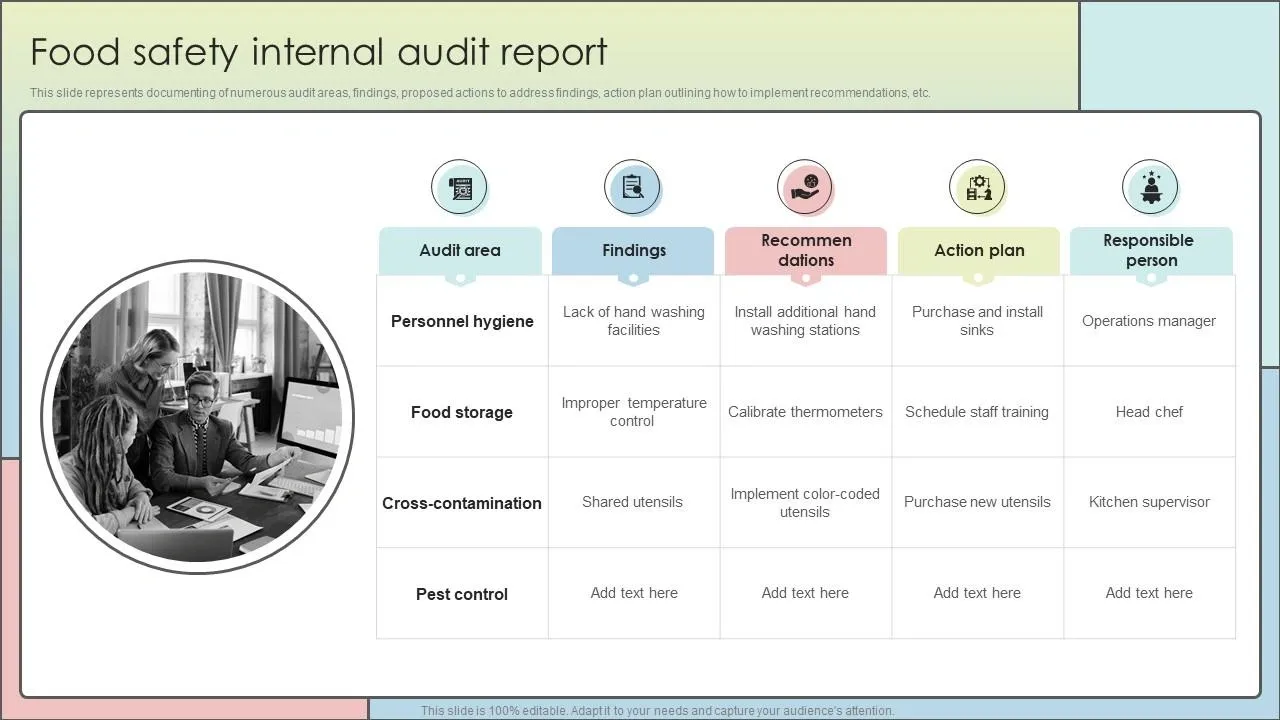
Image Source: SlideTeam
Successful navigation of kosher and halal certification audits requires manufacturers to implement systematic risk assessment protocols. These protocols must address both religious compliance and allergen safety at the same time. This creates integrated quality frameworks that satisfy certification body expectations and meet statutory obligations.
Identifying allergen risks in Kosher and Halal products
Halal consumers see multiple risk categories when purchasing certified products. These include environmental risk, quality risk, and health risk stemming from possible contamination and direct contact between halal products and forbidden haram ingredients [28]. Psychological risks and social risks emerge from doubtful halal item contents. Consumers have been advised to avoid haram consumption to safeguard their religion and honour [28]. Production risk, purchase price risk, halal compliance risk, and procurement risk represent major concerns in halal food supply management [28]. Kosher certification requires rigorous ingredient scrutiny to prevent product recalls and reduce customer complaints. Audits depend on accurate ingredient lists and qualified religious inspectors who make sure products line up with Jewish dietary laws [17].
Traceability and documentation standards
Traceability gives authenticity and integrity to halal products. It enables identification and tracking at all supply chain stages from production to consumption [18]. Halal certification bodies conduct traceability audits and inspections. They provide documentation that enables market access [29]. Clients must implement strong traceability systems and label products with unique identifiers. They need to keep detailed records of product movements and transactions. Cooperation with certification bodies means providing access to traceability information [18]. Kosher certification requires detailed record-keeping throughout the whole supply chain from ingredient sourcing to packaging and distribution. This creates clear paper trails that can be traced during issues or concerns [30].
Common compliance failures and how to avoid them
Common audit failures include use of non-halal ingredients such as gelatin, enzymes, and alcohol-based flavourings. Cross-contamination risks from shared production lines or improper cleaning pose problems. Lack of supplier traceability or expired halal certificates creates issues. Improper labelling and packaging that doesn’t comply with halal standards causes failures. Untrained staff who are unaware of halal handling and production requirements contribute to problems [31]. You can prevent cross-contamination through dedicated equipment and production lines for halal products. Proper segregation of halal and non-halal materials in storage helps. Use halal-certified cleaning agents with strict sanitation protocols. Train employees on halal compliance and handling procedures. Implementation of Halal Critical Control Points monitors risk areas [31].
Preparing for certification audits
Facilities pursuing Kosher Halal allergen control certification should prepare complete documentation. This includes ingredient specifications and formulation sheets, supplier halal certificates, and traceability records. You’ll need batch production and quality records, cleaning and sanitation standard operating procedures, and quality certifications such as GMP and HACCP. Labelling and packaging specifications matter. Include alcohol or solvent declarations where applicable and previous audit reports with corrective actions [32]. Auditors conduct process-based walkthroughs that trace product flow from receiving through storage, processing, packaging, warehousing, and despatch. They observe operational processes and assess segregation between halal and non-halal materials. Auditors review sanitation and cleaning controls, identify risks, and verify labelling and traceability systems [32]. Digital management systems help track records and provide audit reminders. This keeps you ready when certification reviews occur [17]. Integration with FSSC 22000 certification including HACCP means processes meet stringent food safety and quality standards [33].
Practical Implementation for UK Food Businesses
Image Source: American Halal Foundation
Integrated Kosher Halal allergen control systems need strategic facility design and detailed labelling protocols. Understanding international market dynamics rewards certified operations with measurable commercial advantages.
Setting up segregated production lines
Production lines must be separated to prevent contamination between halal and haram ingredients. Facilities either maintain dedicated halal lines or implement rigorous cleaning protocols before halal production commences [6]. Co-manufacturers producing kosher products need separate production lines or facilities to prevent cross-contamination. They combine this with kosher ingredient use and oversight by kosher certification agencies [10]. The layout must support segregation of raw materials, work-in-progress goods and finished products throughout the facility [34].
Labelling for allergen and religious compliance
Packaging must not contain non-halal materials such as gelatin-based adhesives or alcohol-based inks. Clear labelling remains vital to avoid consumer confusion and meet regulatory standards. This matters for exports to countries with mandatory halal labelling requirements such as Indonesia [34]. All packages and containers must display proper information with the appropriate kosher or halal logo placed under certifying organisation supervision [35].
Export implications for certified products
The global halal market exceeds GBP 3.18 trillion. Demand in Muslim-majority countries including Indonesia, Malaysia, Saudi Arabia and the UAE drives this growth [34]. Middle Eastern countries, where halal compliance is a legal requirement, represent a GBP 397.08 billion food and beverage market [8]. Products with dual halal and kosher certifications see a 15-20% price premium in international markets. They experience 30% faster market penetration rates compared to non-certified alternatives [8]. The GCC market alone imports over GBP 31.77 billion in food each year, with organic and premium products commanding 35% higher prices [8].
Integration with organic and vegan certifications
Multi-scheme bundling combines halal with vegan, gluten-free, non-GMO and GMP certifications in a single audit [15]. This integrated audit concept allows facilities to achieve multiple certifications under one coordinated visit. It reduces audit burden whilst expanding market accessibility in a variety of certification frameworks [15]. Co-manufacturers must ensure vegan products are produced without cross-contamination with animal-derived substances. This can involve dedicated production lines or facilities with thorough cleaning protocols between productions [10].
Ground case examples
A mid-sized organic frozen fruit producer got both halal and kosher certifications for blackberry products. The company entered 7 new export markets including Saudi Arabia, Israel and Canada within 18 months [8]. Export sales increased by 47%. Product pricing rose by 18% in existing markets, and retail distribution expanded from 300 to over 1,200 outlets [8]. Success stemmed from effective certification communication through packaging and marketing materials alongside robust allergen and religious compliance protocols [8].
Conclusion
Kosher and halal certification programmes strengthen allergen management protocols and open lucrative export markets for UK food businesses. The segregation, cleaning validation, and traceability requirements inherent in religious certification create resilient quality frameworks that address statutory allergen obligations at the same time. Facilities implementing integrated compliance systems report commercial advantages including premium pricing and expanded distribution networks. So manufacturers pursuing dual certification should view allergen control and religious standards as complementary rather than competing priorities. The systematic approach outlined here provides food businesses with practical protocols to achieve certification readiness and maintain allergen safety standards throughout production operations.
FAQs
Q1. What is the main difference between kosher and halal dietary laws regarding meat and dairy? Kosher law strictly prohibits mixing meat and dairy products, requiring separate equipment, storage areas, and production lines for each category. In contrast, halal law imposes no restrictions on combining meat and dairy, allowing them to be processed and consumed together without separation requirements.
Q2. Can the same equipment be used for both halal and non-halal production? Yes, shared equipment is permissible in halal facilities provided rigorous cleaning protocols are followed between production runs. The equipment must undergo thorough washing, sanitising, and validation testing (such as ATP testing) to ensure complete removal of non-halal residues before halal production begins.
Q3. Why do kosher and halal certifications matter for allergen control? Religious certification requirements create natural synergies with allergen management because both frameworks demand strict segregation, cleaning validation, and cross-contamination prevention. The protocols required to avoid prohibited substances in kosher and halal production simultaneously support robust allergen control, raising overall food safety standards.
Q4. What documentation is required for halal certification audits? Facilities must prepare comprehensive documentation including ingredient specifications, supplier halal certificates, traceability records, batch production logs, cleaning standard operating procedures, quality certifications (GMP, HACCP, ISO), labelling specifications, and previous audit reports with corrective actions taken.
Q5. What commercial benefits do UK businesses gain from dual kosher and halal certification? Businesses with dual certification typically experience a 15-20% price premium in international markets, 30% faster market penetration rates, and access to the global halal market exceeding £3.18 trillion. Certified products also benefit from expanded distribution networks and entry into Muslim-majority countries where halal compliance is legally required.
References
[1] – https://rmig.eatrightpro.org/rmig/religionsandfaith/jewish/jewish-resources/traditional-kosher-rules
[2] – https://en.wikipedia.org/wiki/Kashrut
[3] – https://halalfoodcouncilusa.com/halal-food-101-understanding-the-basics-of-halal-food-2/
[4] – https://www.siscertifications.com/guide-to-kosher-certification/
[5] – https://en.wikipedia.org/wiki/Islamic_dietary_laws
[6] – https://www.eposrl.com/en/magazine_pt/kosher-halal-and-vegan-certifications/
[7] – https://halalfoundation.org/halal-certification-requirements/
[8] – https://www.berrysupplier.com/news/halal-kosher-certification-food-export-compliance.html
[9] – https://www.devonsomersettradingstandards.gov.uk/business/food-law-guidance/allergens-in-food/
[10] – https://growinco.com/en/blog/food-certifications-organic-non-gmo-halal-kosher-and-vegan-labels-in-production/
[11] – https://kioscert.com/blog/step-by-step-preparation-for-a-halal-audit-checklists
[12] – https://halalfoodauthority.com/cleaning-substances/
[13] – https://halalfoundation.org/halal-sanitation-guidelines-and-checklist/
[14] – https://halalfoodauthority.com/
[15] – https://halalfoundation.org/welcome/
[16] – https://www.food.gov.uk/business-guidance/allergen-guidance-for-food-businesses
[17] – https://ossmideast.com/kosher-food-certification/
[18] – https://minhajhalal.com/traceability-policy/
[19] – https://oukosher.org/passover/how-to-kasher-your-kitchen-for-passover/
[20] – https://www.sciencedirect.com/science/article/pii/S0260877425001517
[21] – https://www.universalhalalauthority.com/post/what-are-the-halal-standards-in-the-uk
[22] – https://www.anaphylaxis.org.uk/business/guidance-on-food-regulation/
[23] – https://kfkosher.org/about-kf-kosher/
[24] – https://www.hcoltd.co.uk/post/what-are-the-halal-standards-in-the-uk
[25] – https://halalhmc.org/
[26] – https://www.magnafoodservice.co.uk/comparing-halal-certification-bodies/?srsltid=AfmBOor2kMiqyGikC_T5FJrjYXF9qkY5TJ18qVyZAAnveRiZ1pfHoKYW
[27] – https://onlinelibrary.wiley.com/doi/abs/10.1002/9781118823026.ch13
[28] – https://radar.brookes.ac.uk/radar/file/ad296b2d-efb5-413c-91de-65703f11d992/1/Risk assessment of halal products and services – 2017 – Olya al-Ansi.pdf
[29] – https://halalbureau.ca/what-is-halal-traceability/
[30] – https://mk.ca/the-role-of-kosher-certification-in-food-safety-and-traceability/
[31] – https://halalfoundation.org/what-is-a-halal-audit/
[32] – https://www.halalwatch.us/halal-audit-preparation-instructions/
[33] – https://fipros-as.com/certifications/kosher-halal-production-at-fipros-what-you-need-to-know/
[34] – https://halalfoundation.org/halal-certification-for-co-manufacurers/
[35] – https://www.haskell.com/insights/divine-design-the-processing-packaging-and-handling-of-halal-and-kosher-foods-require-special-care/