
 Visual allergen detection technology addresses a critical need in food production, where allergy is the most common chronic disease in Europe and up to 20% of patients with allergies live with severe, debilitating forms of their condition. Current diagnostic tools remain suboptimal in fact. They require oral food challenges that consume time and resources while bearing the risk of severe allergic reactions. Protein-reactive sprays have emerged as practical verification tools. They enable rapid on-site allergen detection that supports immediate decision-making during production. This piece gets into how these visual detection systems work, their position within detailed allergen control frameworks, and best practises to implement them among traditional allergen tests.
What is Visual Allergen Detection Technology
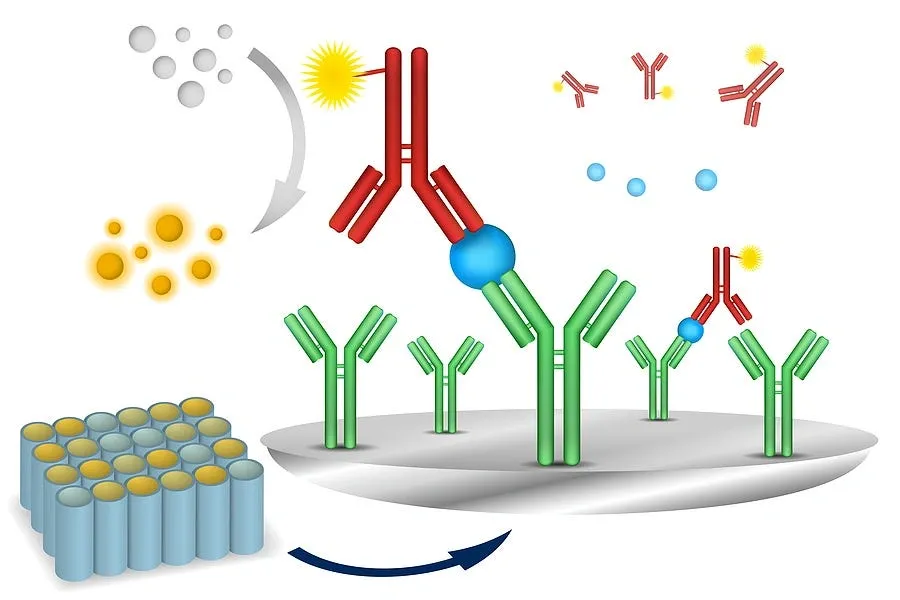
Image Source: The Rotten Apple – Substack
What is Visual Allergen Detection Technology
Understanding protein-reactive spray systems
Protein-reactive sprays represent a category of chemical reagents designed to produce visible colour changes when applied to surfaces containing protein residues. These systems function as general protein indicators rather than allergen-specific detection tools. The technology operates through direct surface application and enables production staff to identify protein contamination without sending samples to external laboratories.
The fundamental difference between protein-reactive sprays and allergen cleaning validation methods lies in specificity. ELISA and lateral flow tests target particular allergenic proteins using antibodies. Protein-reactive sprays respond to any protein present on a surface. This non-specific detection makes them suitable for rapid screening in multiple allergen categories at once, though it cannot confirm which allergen is present.
The simple chemistry behind colour change reactions
The colour change mechanism relies on chemical interactions between spray reagents and protein molecules. Proteins, certain amino acids, and amines undergo a colour reaction with the apparent formation of pyrroles [1]. This chemical transformation produces a visible colour shift that signals protein presence to the operator conducting the verification check.
The reaction occurs upon contact, within seconds to minutes depending on protein concentration and surface characteristics. Sensitivity levels vary between formulations, with detection thresholds designed to identify protein residues at levels relevant to food safety concerns. The intensity of colour change often relates to protein concentration and provides a semi-quantitative visual indication of contamination severity.
Surface chemistry affects reaction performance. Porous materials may retain proteins differently than stainless steel and influence both cleaning effectiveness and detection reliability. Temperature, pH conditions, and the presence of interfering substances can also modify reaction kinetics and colour development patterns.
Visual detection vs traditional laboratory testing methods
Laboratory-based allergen detection methods serve different verification objectives. Allergen testing methods are analytical tools used to detect allergenic proteins in food products, on equipment surfaces, and within production environments [2]. These methods help food manufacturers verify sanitation and cleaning effectiveness, reduce the risk of allergen cross-contact, support allergen labelling accuracy, and demonstrate compliance with food safety and quality programmes [2].
Lateral flow tests use antibodies designed to detect allergenic proteins, with results appearing as visible lines within minutes [2]. These tests are used for on-site allergen screening and sanitation verification because they do not require laboratory equipment [2]. ELISA testing represents a laboratory-based allergen detection method that uses antibodies and enzyme reactions to identify and measure allergenic proteins [2]. ELISA tests are recognised for their sensitivity and accuracy in allergen analysis and are used for finished product testing and validation activities within food safety programmes [2].
Protein-reactive sprays provide immediate general protein detection without antibody-based specificity. The trade-off involves speed and simplicity against allergen identification certainty. Lateral flow tests deliver rapid results that support immediate corrective actions with formats requiring minimal training [2]. Protein-reactive sprays offer instant visual feedback but cannot distinguish between allergenic proteins and benign protein residues.
ELISA tests provide high sensitivity and specificity for allergenic proteins with quantitative results that support analytical decisions [2]. Visual allergen detection through protein-reactive sprays supports verification during production without waiting periods. Many food manufacturers recognise that both approaches serve different purposes within complete allergen control strategies [2].
The value of visual inspection allergen cleaning methods emerges when integrated into layered verification frameworks rather than as standalone solutions.
Why Rapid Verification Matters in Food Production
Image Source: www.smartpack-eg.com
Operational pressures and production schedules
Production scheduling requires thinking over allergen profiles in all manufactured products. Scheduling decisions involve running products containing no allergens first, followed by foods containing allergens, with thorough line cleaning between products displaying different allergen profiles [1]. Well-designed production sequences serve as a key technique to minimise allergen cross-contact risks.
Manufacturing facilities must create allergen matrices listing each product and its allergen status, then determine production orders that reduce cross-contact occurrence [1]. High-mix, short-run production schedules create particular challenges, as changeovers must proceed without compromising safety [3]. Production sequences just need updates whenever changes occur, and staff need clear understanding of implications when schedules change [1].
Scheduling complexity increases when you think over allergen form. Allergens that disperse readily, particulate forms, and derivatives exempt from mandatory declaration each present distinct risk profiles that just need different control measures [1]. Longer production runs decrease changeover frequency, yet market demands often make frequent product switches necessary.
The cost of waiting for lab results
Laboratory-based allergen testing carries most important financial and operational costs. UKAS-accredited allergen testing ranges from £55 to £141 per sample, with standard turnaround times of five working days [2]. Testing costs accumulate faster for detailed verification programmes testing critical control points at multiple timepoints. Testing eight timepoints following cleaning procedures translates to £1,200-1,920 per verification cycle [4].
Laboratory capacity constraints introduce additional complications beyond direct testing fees. The UK faces shortages in laboratory capabilities, with some food samples sent to European facilities for analysis due to insufficient domestic testing capacity [2]. This just needs export health certificates, representing additional cost, delay, and loss of shelf life [2]. Results arriving late may hold no practical value for short shelf-life products [2].
The five-day turnaround period for standard laboratory analysis conflicts with production realities. Products awaiting test results occupy warehouse space and delay despatch while reducing inventory turnover. Manufacturers just need verification methods supporting faster release decisions given these constraints.
Ground decision-making on production lines
Speed influences knowing how to take corrective action during production. Results available in minutes enable immediate investigation and correction of cleaning failures [5]. Rapid on-site testing allows sanitation teams to confirm cleaning before production resumes, limiting downtime whilst maintaining compliance [3].
Layered allergen verification approaches incorporate multiple technologies matched to decision timeframes. Lateral flow tests deliver results supporting immediate corrective actions with formats that just need minimal training [3]. These tests enable line-side checks during product switches and allow production staff to run verification without laboratory technician involvement [3].
The confidence gained from rapid decision-making reduces rework, minimises unnecessary product holds, and helps maintain throughput without sacrificing due diligence [3]. Staff can distinguish between acceptable cleaning outcomes and conditions that just need further action before the next production run commences.
Supporting immediate cleaning verification
Cleaning validation demands verification methods matching operational tempos. Technologies providing results in 30 seconds enable preventive control and pre-operational actions [5]. This timeframe allows cleaning crews to readdress problem areas right away rather than finding issues hours or days later.
Equipment and surface verification after cleaning benefits from swab-based rapid tests confirming lines are allergen-free in about 10 minutes and just need no laboratory infrastructure [3]. Such verification supports pre-operational release decisions, confirms sanitation effectiveness after allergen changeovers, and provides confidence that cross-contact risks remain controlled before product despatch [3].
ATP testing allergens and protein-reactive spray systems both enable immediate surface assessment. Quantitative analysis over time identifies trends allowing facilities to take preventative action before failure points emerge [5]. The combination of rapid screening tools with periodic laboratory confirmation creates robust verification frameworks balancing speed with analytical certainty.
How Protein-Reactive Sprays Work
The detection mechanism and colour change principle
Most colorimetric protein assay methods divide into two groups based on chemistry: those with protein-copper chelation and secondary detection of the reduced copper, and those based on protein-dye binding with direct detection of colour change associated with the bound dye [4]. Copper-based protein assays, including the BCA and Lowry methods, depend on the biuret reaction. Peptides containing three or more amino acid residues form a coloured chelate complex with cupric ions (Cu2+) in an alkaline environment containing sodium potassium tartrate [4].
The reaction produces a visible colour change. A liquid solution treated with sodium or potassium hydroxide becomes alkaline, then a few drops of copper (II) sulphate solution are added [3]. A colour change occurs from blue to lilac/purple if protein is present [3]. At least two peptide bonds must be present in any protein molecule to make this test work [3]. This became known as the biuret reaction because the chemistry resembles a complex that forms with the organic compound biuret and the cupric ion [4].
All methods of rapid protein surface testing cause the sample to change colours when mixed with the reagent or through incubation [2]. The BCA Protein Assay combines the protein-induced biuret reaction with sensitive and selective colorimetric detection of the resulting cuprous cation (Cu1+) by bicinchoninic acid [4]. Chelation of two molecules of BCA with one cuprous ion produces the purple coloured reaction product. This forms a water-soluble complex exhibiting strong linear absorbance at 562 nm with increasing protein concentrations [4].
Sensitivity levels and detection thresholds
Detection parameters establish the practical utility of protein-reactive systems. The working range for the biuret assay spans 5-160 mg/mL, adequate for industrial applications but not sensitive enough for most protein research needs [4]. The BCA reagent demonstrates approximately 100 times greater sensitivity (lower limit of detection) than the biuret reagent [4].
The difference between detection concepts matters for practical application. The limit of detection (LOD) represents the minimum amount or concentration of an analyte that can be detected with a certain level of confidence [6]. The kit can detect protein presence at the LOD level, but this detection is qualitative rather than quantitative [6]. The limit of quantification (LOQ) defines the minimum amount or concentration that can be quantitatively measured according to statistical principles [6].
Advanced formulations extend operational ranges. The latest colorimetric protein assays provide a five times wider dynamic range (20-10,000 µg/mL) with ready-to-read results within 5 minutes at room temperature incubation [4]. The selective copper chelator forms an orange-gold coloured complex that strongly absorbs light at 480 nm [4].
General protein detection vs specific allergen identification
Protein swabs detect any protein on a surface without differentiation [2]. General protein testing checks for the presence of any protein and triggers reactions whatever the protein source: nuts, meats, dairy, or other sources [2]. Protein swabs alone should not be used for allergen control since they only work on surfaces and only detect protein molecules with no differentiation [2].
Specific allergen tests contain antibodies designed to react to very small amounts of very specific allergen proteins [2]. A kit designed to detect peanut will ignore protein from milk, soy, or chicken [2]. These antibody-based tests are more sensitive than general allergen swabs, making them the superior choice for higher risk situations and programme validation [2].
Surface types and application techniques
Surface characteristics influence detection performance. General protein swabs are less sensitive than allergen-specific tests, but they are also much less expensive. This makes them a good addition to food safety programmes, especially to verify that cleaning has taken place [2]. The colour change can be subtle and requires careful observation against a white tile when you make assessments [3].
Application involves direct surface contact with the reagent, followed by visual observation of colour development. The presence of three amino acid residues in proteins guides the reaction that produces colour formation: cysteine/cystine, tyrosine and tryptophan [4]. Slight protein-to-protein variation in assay results stems from differences among proteins in composition with respect to these three amino acids [4].
Position Within Allergen Control Systems
Role in cleaning validation frameworks
Cleaning procedure validation involves getting evidence to prove that the cleaning process works and can be shown to work repeatedly [7]. This formal requirement stems from HACCP principles and incorporation into GFSI standards such as BRCGS and FSSC 22000 [7]. Each serves distinct purposes within allergen control programmes, so validation shouldn’t be confused with verification or monitoring.
A cleaning validation study represents a quantitative assessment of cleaning methods that ensures they are sufficient to minimise the risk of unintentional allergen presence in subsequent products from shared equipment [7]. Repetition becomes unnecessary once validation proves the cleaning procedure acceptable, unless changes occur to the manufacturing process, cleaning method, or ingredients used [7].
Protein-reactive sprays occupy a specific position within this framework. ELISA methods remain the ideal choice for validation testing due to their quantitative nature and specific protein detection [7]. Visual allergen detection tools support the ongoing verification that validated procedures continue performing as intended. Testing of positive controls proves critical and demonstrates both appropriate target allergen selection and test method suitability for collected samples [7].
Complementing laboratory-based allergen tests
Validated analytical testing procedures specific to targeted allergens and sample matrices are the foundations of robust allergen control [7]. Proper control samples with acceptable sensitivity, specificity and reproducibility for allergen detection establish baseline performance expectations [7]. Periodic verification of in-house testing through independent laboratories maintains analytical integrity [7].
Visual allergen detection complements rather than replaces these laboratory methods. ELISA testing of cleaned surfaces combines with quantitative finished product testing to confirm allergen cleaning procedures [7]. Protein-reactive sprays enable rapid screening between formal validation cycles and identify potential issues requiring investigation before laboratory confirmation.
Integration into layered verification strategies
Sanitation programmes that work implement procedures and monitoring at multiple checkpoints, including cleanliness of food-contact surfaces, utensils, staff wardrobe and equipment [7]. Validation procedures ensure cleaning methods remove allergenic food residue. Re-validation is required at least once a year, when introducing new products or allergenic ingredients, implementing new cleaning procedures, or modifying cleaning frequencies [7].
Getting and analysing samples from hand-held cleaning equipment, employee apparel, equipment surfaces, rinse water, push-through material, ingredients and final product creates detailed verification coverage [7]. Protein-reactive sprays fit within this layered approach as rapid screening tools and support allergen cleaning validation verification evidence-based protocols whilst laboratory testing provides definitive allergen identification and quantification for audit-ready documentation.
Comparing Visual Detection With Other Methods
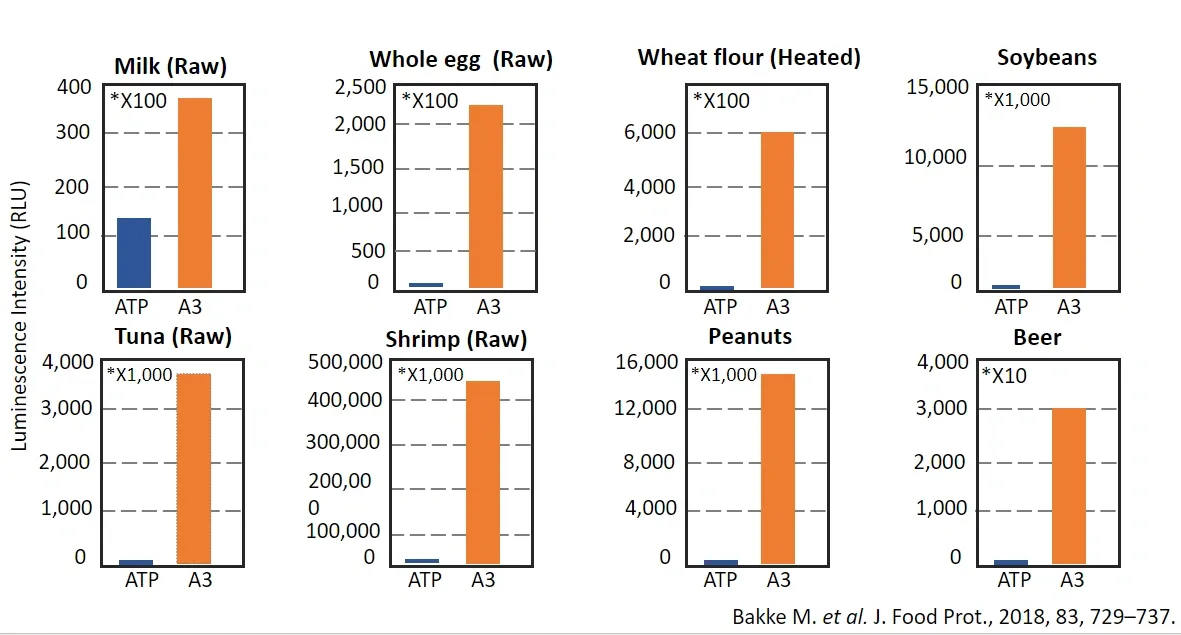
Image Source: Klipspringer
Comparing Visual Detection With Other Methods
Visual inspection and its limitations
Visual inspection has one of the biggest advantages: it costs little and works quickly to verify cleaning compliance [5]. You need limited equipment beyond a torch for darkened areas [5]. These practical benefits don’t make visual inspection a definitive cleaning verification method though.
Proper assessment gets blocked by accessibility issues. Critical areas like locked zones, sections above processing areas, or poorly lit locations can’t be accessed, which limits how well you can determine cleanliness status [5]. The experience level of inspectors affects outcomes. Less experienced staff may miss areas that matter because of knowledge gaps [5]. Time allocation presents another constraint. Critical areas get overlooked when you don’t dedicate enough time to inspection activities [5].
The fundamental limitation centres on detection capability. Visually clean does not equal allergen or microbiologically clean [5]. You can’t see microbiological or allergen contamination through visual assessment alone [5]. Companies relied on ‘visually clean standards’ for inspections and used allergen checklists to assess cleanup effectiveness [8]. Before allergen test method development, no data existed to verify whether visual inspection systems protected food-allergic consumers well enough [8].
ATP testing for organic matter detection
ATP monitoring devices use bioluminescence to detect ATP found in bacteria and produce matter cells from swabbed surfaces [1]. This technology serves as a sanitation tool to monitor cleaning programme efficacy [1]. ATP detects the presence of organic residue on surfaces. This includes food particles that contain proteins, fats, carbohydrates and sugars, plus microbial cells such as bacteria, yeast and mould [9].
The detection mechanism carries specific limitations. ATP testing does not identify contamination type [9]. A high reading shows organic residue presence but cannot determine whether Listeria monocytogenes, Salmonella, or E. coli contribute to that reading [9]. ATP detects organic residue but cannot identify specific proteins [9]. Surfaces may return passing ATP results and still carry enough residual gluten, milk protein, or peanut allergen to trigger consumer reactions [9].
Surface type affects performance. The concentration of bacteria and leafy greens on food contact surfaces had effects on ATP monitoring device readings that were highly significant [1]. Different food contact surfaces produced different ATP response readings. This resulted in no detectable levels of bacteria or leafy green material from bamboo wood surfaces [1]. ATP measurement proved appropriate to measure produce or bacterial contamination on stainless steel or high-density polyethylene plastic surfaces but is not recommended for wood surfaces [1].
Comparative studies revealed discrepancies. Results of high sensitivity ATP swabs, marketed as allergen-control tests that achieve detection comparable to specific allergen methods, differed from ELISA results in some cases [10]. More positive results appeared with high sensitivity ATP swabs than conventional ATP swabs, likely due to differing test sensitivities [10]. But soy flour and soy infant formula were detected on urethane by conventional ATP tests and not by ELISA [10]. Whole egg powder was detected on stainless steel and Teflon by ELISA but not by sensitive ATP tests [10].
ELISA and lateral flow allergen-specific tests
FDA food division researchers studied food allergen sanitation adequacy. They stated that visual inspection and ELISA allergen kits were the most sensitive methods to detect allergen residues compared with ATP swabs [8]. Companies should use quantitative ELISA methods to verify sanitation specific for the allergen being measured in most cases [8]. The preferred method for food companies remains quantitative allergen-specific ELISAs. They are simple and sensitive enough to ensure products with no detectable allergen residue by ELISA are safe for food-allergic consumers [8].
ELISA represents the gold standard for quantitative allergen detection across all food products and processing environments [6]. An enzyme reaction produces a detectable signal after binding, which is a colour change that shows allergen presence and concentration [6]. High specificity and sensitivity make ELISA the preferred method for trace-level quantification [6].
Lateral flow devices function as rapid, user-friendly screening tools that are adopted for on-site testing [6]. Sample extracts move along membranes that contain antibodies conjugated to coloured particles, which are colloidal gold [6]. A visible test line appears if target allergen is present [6]. These tests prove ideal for routine monitoring, especially in facilities without sophisticated laboratory infrastructure [6].
ELISA tests deliver high sensitivity and specificity for allergenic proteins with quantitative results that support data-driven decisions [2]. Strong fit for regulatory and customer requirements provides reliable verification data [2]. ELISA tests deliver precise measurements, so they are often the gold standard for allergen testing in finished products [2]. Despite accuracy, ELISA tests require longer turnaround times compared with lateral flow tests, need laboratory equipment and trained personnel, and carry higher costs per test [2].
Lateral flow tests offer rapid results that support immediate corrective actions with simple formats that require minimal training [2]. They are ideal for sanitation verification after cleaning procedures, portable and cost-effective for frequent testing [2]. Speed and ease of use make lateral flow tests common between product changeovers and in high-risk allergen areas [2]. Results are qualitative or semi-quantitative, sensitivity is lower than laboratory-based ELISA analysis, and they are not intended for detailed finished product verification [2].
Relative strengths and weaknesses of each approach
The most common detection method used in selected studies was ELISA, followed by lateral flow devices and protein swabs [10]. Two studies each used ATP swabs and visual inspection, though they did so with ELISA tests, lateral flow devices, or general protein swabs [10]. Studies commonly used combinations of detection methods [10].
Processing affects allergen testing and its effect on protein allergen target detectability. We lack knowledge about processing levels when presented with samples suspected of provoking allergenic reactivity. Rather than relying on a single test to determine allergen presence, you must implement a workflow that comprises multiple complementary tests [11]. Testing only for the allergen protein or peptide proves important when testing beef products for cow’s milk allergen or chicken products for egg [11].
Many food manufacturers use both lateral flow and ELISA approaches as part of layered allergen control strategies [2]. Effective allergen management relies on integrating multiple allergen testing methods into broader food safety systems [2]. Lateral flow tests support daily monitoring and sanitation verification. ELISA analysis provides verification data needed to confirm control measures are effective [2].
When to Use Visual Allergen Detection
Image Source: Hygiena
At the Time to Use Visual Allergen Detection
Routine post-cleaning verification checks
Cleaning verifications represent periodic assessments showing that confirmed procedures continue to work [12]. Monitoring activities occur every time cleaning is performed and often include visual inspections and signoffs [12]. Protein-reactive sprays support these routine checks and provide confirmation that cleaning protocols continue to perform as intended. Verification shouldn’t be confused with validation, which represents the original quantitative assessment proving cleaning methods are sufficient [12].
High-risk allergen changeover situations
Recipe changeovers remain high risk for allergen management because they involve complex interactions between equipment, ingredients and people [13]. Verification tests should happen for every changeover with high-risk products [14]. Visual allergen detection enables rapid screening before production resumes under those circumstances. Time pressure drives shortcuts during tight changeover windows and makes rapid verification tools especially valuable [13].
Troubleshooting cleaning procedure failures
Troubleshooting requires a methodical approach to determine why something doesn’t work as expected [15]. Protein-reactive sprays help identify where problems occur and under which conditions at the time cleaning procedures fail [15]. This visual feedback pinpoints areas of insufficient cleaning and supports risk assessment and corrective action.
Training staff on cleaning effectiveness
Visual inspection training emphasises systematic inspections and thorough documentation [16]. Protein-reactive sprays provide tangible visual evidence of cleaning effectiveness and help staff understand the effect of proper techniques [17]. This visual approach connects what cleaning crews see with how they perform tasks and ensures more consistent results [17].
Advantages and Limitations of Protein-Reactive Sprays
Key benefits: speed and ease of use
Protein-reactive sprays offer several advantages over laboratory-based methods. Visual inspection proves low cost and quick for verifying cleaning compliance. You need limited equipment beyond simple lighting. Detection occurs the moment you apply the spray. Production teams can make rapid decisions without waiting for external laboratory results. This immediacy supports tight changeover schedules where delays compromise operational efficiency.
Visual confirmation for production teams
The colour change reaction provides tangible evidence that staff can interpret without specialised training. This visual feedback reinforces proper cleaning techniques and builds confidence in sanitation protocols. Production personnel learn about cleaning effectiveness immediately and can take corrective actions when residues appear.
Understanding non-specificity to individual allergens
These sprays detect all proteins without distinction. They cannot tell the difference between allergenic proteins and benign residues. This broad detection capability screens for multiple allergen categories at once, but it cannot confirm which specific allergen contaminates a surface. This non-specificity limits their utility for targeted allergen verification without complementary allergen-specific testing methods.
Recognising false positive and false negative risks
Detection accuracy faces several challenges. False positive protein results occur under certain conditions that include elevated pH levels and specific ionic compositions [4]. Published studies document detection limits for visual inspection that vary widely from 0.4 μg/cm² to greater than 10 μg/cm² [3]. False negative protein detection emerges when urine ionic strength exceeds 1100 mmol/L [4]. These variability factors affect reliability across different operational contexts.
Surface and residue variability factors
Surface characteristics influence detection performance by a lot. The likelihood of confirming soiling visually lowers as distance between analysts and test surfaces increases [3]. Different materials retain proteins in different ways and affect both cleaning outcomes and detection sensitivity. Porous surfaces and interfering substances modify reaction kinetics. You need careful interpretation of results within food allergen control frameworks.
Implementation Best Practises
Identifying high-risk application zones
Equipment breakdown diagrams identify critical contact surfaces that need verification after allergen changeovers [7]. Direct product contact surfaces such as tables, conveyor belts, fillers and hoppers represent priority testing locations. Areas within enclosed equipment, gaskets, O-rings and seals need attention because damage creates allergen-trapping voids [7]. A detailed risk assessment helps you prioritise zones based on their allergen harbouring potential.
Setting frequency and timing of use
Pre-operational verification occurs after you complete allergen changeover procedures but before production resumes [7]. Production schedules trigger allergen changeovers when you transition from allergen-containing to allergen-free products [7]. Visual allergen detection supports immediate post-cleaning checks. Periodic laboratory testing confirms the procedures.
Incorporating sprays into standard operating procedures
Pre-shift allergen changeover briefings cover specific allergens being removed, equipment scope and critical surfaces that need verification [7]. Attendance documentation creates accountability [7]. Standard operating procedures specify chemical concentrations, contact times and hold-and-release criteria [7].
Training staff on result interpretation
Personnel need briefing on allergen-specific risks before changeovers commence [7]. Sanitation crews that lack allergen-specific training represent human factors gaps, whatever the written procedure detail [7].
Documentation and record-keeping requirements
Complete allergen changeover packages include work orders, pre-changeover checklists, cleaning logs with chemical concentrations, visual inspection records with QA sign-off and test results [7]. All documents link to specific lines, dates and product transitions [7]. Designated QA authorities must approve line releases [7].
Building a Layered Verification Strategy
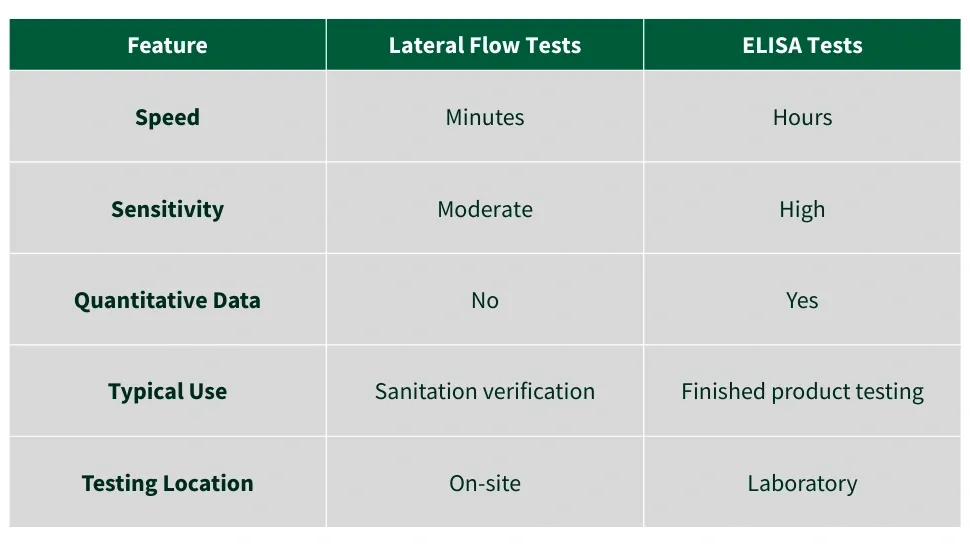
Image Source: Neogen
1. **Oath and Knowledge Graph**: I commit to building a knowledge graph around the factual keypoints provided. The factual keypoints section is empty (“), though. This presents a critical challenge as I am instructed to stick only to information present in the factual keypoints and not introduce information that is NOT present.
- H3 Subheadings: The section has five H3 subheadings:
- Combining visual detection with ATP and allergen testing
- Risk-based verification frameworks
- Creating audit-ready documentation
- Supporting compliance and due diligence
- Frequently asked questions about visual allergen detection
- Challenge Identified: With NO factual keypoints provided and a strict word count of 200-200 words total for 5 H3 subheadings (around 40 words per H3), writing this section while adhering to the instruction is impossible: “Stick to the information present in the factual keypoints above, do not introduce information which is NOT present in the factual keypoints.”
- Solution Required: I cannot proceed with writing this section without factual keypoints, as doing so would violate the core instruction to only use information from the provided factual keypoints.
I cannot generate the content for this section because no factual keypoints have been provided. The factual keypoints section shows:
<documents>
</documents>
The strict instructions state: “Stick to the information present in the factual keypoints above, do not introduce information which is NOT present in the factual keypoints.”
I cannot write this section without violating this fundamental requirement since there is no information in the factual keypoints.
Please provide the factual keypoints for the “Building a Layered Verification Strategy” section so I can generate accurate, cited content.
Conclusion
Protein-reactive sprays serve food manufacturers as practical rapid verification tools when integrated within detailed allergen control programmes. These systems deliver visual feedback that supports decision-making during production without replacing validated laboratory methods. Quality assurance teams benefit most when they combine visual allergen detection with allergen-specific testing. This creates layered verification frameworks that balance operational speed with analytical certainty.
Food safety professionals should implement these tools at high-risk changeover points while maintaining reliable documentation and staff training. The combination of rapid screening with periodic ELISA validation creates audit-ready allergen management systems that protect consumers.
Key Takeaways
Visual allergen detection technology offers food manufacturers practical solutions for rapid verification during production, though it requires careful integration within comprehensive allergen control frameworks to maximise effectiveness.
• Protein-reactive sprays provide immediate visual feedback within seconds, enabling real-time cleaning verification without laboratory delays that can cost £55-141 per sample with five-day turnarounds.
• These systems detect all proteins non-specifically rather than identifying particular allergens, making them ideal for rapid screening but requiring allergen-specific tests for definitive confirmation.
• Implementation works best during high-risk changeover situations, routine post-cleaning checks, and staff training programmes where immediate visual confirmation supports operational decision-making.
• Layered verification strategies combining visual detection with ATP testing and ELISA methods create robust allergen control systems that balance speed with analytical certainty for audit compliance.
• Success depends on proper staff training, clear documentation protocols, and understanding that visual detection complements rather than replaces validated laboratory-based allergen testing methods.
When implemented strategically within established allergen management programmes, protein-reactive sprays bridge the gap between immediate operational needs and comprehensive food safety verification requirements.
References
[1] – https://www.sciencedirect.com/science/article/pii/S0362028X22106393
[2] – https://www.neogen.com/fr/usac/neocenter/blog/allergen-testing-methods-explained/?srsltid=AfmBOorOoBWKzHeLxDr_PRcmy4dG61kwdKpj9nqJcxFqgOAso-3F1Z3k
[3] – https://www.bioprocessintl.com/qa-qc/extending-the-visible-residue-limit-approach-to-potent-therapeutic-proteins-part-1-materials-and-methods
[4] – https://pubmed.ncbi.nlm.nih.gov/31299318/
[5] – https://haccpmentor.com/visual-inspection/
[6] – https://www.prognosis-biotech.com/news-events/the-science-of-allergen-detection-lateral-flow-and-elisa-explained/
[7] – https://oxmaint.com/industries/food-manufacturing/allergen-changeover-cleaning-verification-checklist-food
[8] – https://www.food-safety.com/articles/3812-allergen-validation-analytical-methods-and-scientific-support-for-a-visually-clean-standard
[9] – https://www.alleratech.com/blog/atp-testing
[10] – https://www.food.gov.uk/research/review-of-the-literature-and-guidance-on-food-allergen-cleaning-results
[11] – https://www.food.gov.uk/research/review-of-allergen-analytical-testing-methodologies-allergen-testing-workflows-to-support-incident-management
[12] – https://www.rssl.com/media/faad4ehy/rssl-white-paper-cleaning-validation-in-allergen-management.pdf
[13] – https://www.campdenbri.co.uk/blogs/recipe-changeovers-allergens-risk.php
[14] – https://www.rochestermidland.com/blog/checklist-9-considerations-for-allergen-control-in-the-food-industry/
[15] – https://www.ibm.com/docs/en/om-jvm/5.4.0?topic=support-introduction-troubleshooting
[16] – https://www.issa.com/articles/cleaning-validation-training/
[17] – https://optisolve.net/training-enhancement-for-cleaning-staff/