
PCR allergen detection and mass spectrometry represent analytical capabilities that address complex scenarios where traditional ELISA methods face limitations. Food allergy affects up to 5% of adults and 8% of young children. UK regulations require declaration of 14 major allergen groups. DNA-based PCR methods and protein-targeting mass spectrometry offer advantages for specificity and multiplex detection, especially in highly processed foods. This piece gets into the technical principles and comparative performance of these techniques. It also covers their role within accredited laboratory frameworks and complete allergen control programmes.
Overview of Advanced Allergen Detection Methods
Laboratory-based allergen detection methods fall into two distinct categories based on their analytical targets [1]. This classification reflects fundamental differences in what each technique measures and the scenarios where each proves most effective.
Direct vs indirect detection approaches
Direct detection methods target specific proteins from allergenic foods, most often the allergenic proteins themselves [1]. ELISA represents the predominant direct method and uses antibodies to detect allergenic proteins through antigen-antibody binding interactions. The methodology captures target proteins on antibody-coated surfaces. Enzyme-linked secondary antibodies then produce quantifiable colorimetric signals [2]. Liquid chromatography-tandem mass spectrometry (LC-MS/MS) offers another direct approach and identifies unique peptide sequences derived from allergenic proteins [1].
Indirect methods detect markers associated with the allergenic food rather than the allergen proteins directly [1]. PCR allergen detection exemplifies this approach and amplifies DNA sequences specific to allergenic species. The technique targets genetic material that remains stable through various food processing conditions. This DNA-based strategy provides an inference of allergen presence through genetic identification rather than protein measurement [3].
The difference between direct and indirect approaches carries important implications for result interpretation. Direct methods measure the actual allergenic proteins or their peptide fragments and provide information aligned with allergenic risk. Indirect methods identify the source ingredient through genetic markers but cannot confirm whether allergenic proteins remain intact, denatured, or absent [2].
Positioning PCR and mass spectrometry among ELISA
ELISA maintains its position as the most used method for food allergen detection, quantification, and validation [2]. The technique offers high sensitivity and specificity for detecting allergen proteins at low concentrations. Commercial ELISA kits have been developed for many allergens, with established protocols validated in multiple food matrices [4].
PCR serves as a confirmatory method, especially where ELISA performance declines [3]. The technique amplifies DNA to infer allergen presence and demonstrates value in processed foods where thermal treatment or other processing may denature proteins whilst leaving DNA intact [2]. To cite an instance, certain allergen proteins become undetectable after heat processing, whereas DNA sequences remain amplifiable. PCR cannot detect proteins directly and proves unsuitable for detecting allergens where DNA is absent or indistinguishable from other sources [3]. Despite these limitations, PCR allergen detection performs well with some processed foods where ELISA may fail [3].
Mass spectrometry has emerged as a technology for allergen detection over the last 10 to 20 years [4]. The technique offers high specificity by identifying unique peptide sequences and distinguishes itself from antibody-based methods. MS detects peptides rather than intact proteins and provides a different analytical window compared with ELISA [5]. The method can detect multiple target peptides at once whilst retaining sensitivity comparable to ELISA [5]. MS methods require further refinement to match ELISA’s sensitivity and need broader validation in food types [3].
When advanced techniques become necessary
Selection of appropriate detection methods requires attention to the purpose of testing and the characteristics of the sample matrix [2]. Optimal method selection depends on whether the objective involves cleaning verification, product validation, or investigative testing.
Advanced techniques become necessary when standard ELISA methods face technical limitations. Highly processed foods present challenges where thermal processing, enzymatic treatment, or chemical modification alter protein structures. Therefore, PCR-based approaches prove beneficial where heat denatures allergenic proteins but preserves DNA integrity [2]. Complex food matrices containing multiple ingredients or those subjected to extensive processing may require mass spectrometry’s high specificity for accurate allergen identification.
Combining different technologies can improve allergen testing reliability by providing complementary information [6]. PCR can target specific DNA sequences of allergenic species that may be degraded during processing in products with complex matrices or heavily processed ingredients, whilst ELISA provides quantitative information on actual protein levels present [6]. This integrated approach addresses the limitations of individual methods by leveraging the sensitivity of PCR for genetic detection and the protein-specific measurement capabilities of ELISA methodologies.
PCR Allergen Detection

Image Source: Hygiena
PCR Allergen Detection
Polymerase chain reaction technology amplifies specific DNA sequences to identify the presence of allergenic food ingredients within complex matrices. This molecular biological method duplicates and analyses DNA segments characteristic of particular plant or animal species. Laboratories can determine whether genetic material from allergenic sources exists in food products.
DNA-based detection principle
The fundamental mechanism targets unique DNA sequences rather than allergenic proteins. PCR operates by identifying genetic material specific to the allergenic species, such as peanut, hazelnut, soy, or celery. DNA extraction from food samples precedes the addition of primers. These are short nucleotide sequences designed to hybridise with target allergen DNA. A thermal cycler then subjects the mixture to repeated heating and cooling cycles. This promotes synthesis of new DNA strands. Each cycle amplifies the target sequence exponentially and renders even trace quantities of genetic material detectable.
The selection of target sequences influences assay performance. Multi-copy sequences from mitochondrial DNA, ribosomal RNA genes, or chloroplast genomes offer higher sensitivity compared with single-copy nuclear genes. To cite an instance, real-time PCR methods targeting multicopy sequences from mitochondrial DNA have showed suitability for sensitive detection and quantification of peanut at concentrations as low as 5 mg/kg [7]. Chloroplast markers such as mat K or trnH-psbA provide powerful detection capabilities for trace amounts in commercial food products [2].
Real-time PCR (qPCR) methodology
Real-time PCR, often termed quantitative PCR or qPCR, monitors amplification during each cycle rather than at the endpoint alone. TaqMan probe chemistry represents one broadly applied platform. Detection occurs through hydrolysis of an internal target-specific oligonucleotide probe. The fluorescence signal measured during elongation provides cycle threshold (Ct) values that relate to the DNA quantity at the start.
Multiplex real-time PCR methods enable simultaneous detection of multiple allergens within a single analytical run. Validated tetraplex systems have achieved detection limits of 3.7 mg/kg whilst looking at several allergenic species at once [7]. This multiplexing capability streamlines laboratory workflows and reduces per-sample costs for high-throughput testing scenarios. Standard protocols employ 38 to 40 amplification cycles following the denaturation step. Fluorescence measurement occurs at defined temperature-time intervals [7].
Advantages: sensitivity and specificity
PCR allergen detection achieves sensitivity below 10 mg/kg. This is thought sufficient when compared against known clinical threshold data [8]. Commercial real-time PCR kits can detect allergens at concentrations as low as 0.1 to 1 ppm in complex matrices including spices, ice cream, chocolate, and meat products [4]. Some validated methods demonstrate detection capabilities at 0.4 ppm with quantification limits of 1.0 mg/kg in specific matrices [7].
The technique exhibits very high specificity because primers target precise DNA sequences unique to allergenic species. Cross-reactivity risks remain minimal compared with antibody-based methods. Certain botanically related species may share sequence homology. For celery detection, cross-reactivity with coriander and lovage has been observed at the 0.01% level [7]. Well-designed primer sets for peanut, hazelnut, walnut, and cashew demonstrate excellent specificity without cross-reaction to closely related species [7].
Sample preparation follows standardised protocols whatever the allergen tested. This contrasts with ELISA methods where extraction procedures vary between parameters. Full automation capabilities enhance reproducibility whilst reducing contamination risk and simplifying documentation requirements.
Detection capabilities in processed allergens
DNA molecules preserve integrity better than proteins under thermal stress. This renders PCR especially valuable for heavily processed foods. Heat treatment, acidic compounds, and chemical modifications that denature allergenic proteins often leave DNA sequences intact and amplifiable. Methods have detected DNA markers following autoclaving at 121°C for 30 minutes and roasting under various conditions [2].
Processing temperature and duration inversely affect detection performance despite this stability. Thermal treatment contributes to DNA fragmentation or degradation. This elevates Ct values and potentially prevents detection at extreme conditions. Samples subjected to autoclaving at 138°C for 30 minutes expressed Ct values exceeding 38 across all spiked levels. This indicates detection failure [2]. Roasting represents a factor inducing deviation in recovery rates. DNA degradation during this specific process causes considerable decreases [7].
Limitations: DNA detection vs allergenic protein risk
The principal limitation concerns the indirect nature of DNA-based allergen inference. PCR amplifies total target DNA without differentiating whether allergenic proteins remain present, denatured, or absent. So a processed food product might contain minimal DNA yet retain quantities of allergenic protein. It could also contain amplifiable DNA with negligible allergenic potential.
Detection of milk and egg allergens proves impractical using PCR since analysis would only identify cow or chicken DNA rather than the specific allergenic proteins in dairy or egg products [9]. Highly processed ingredients such as vegetable oils, gelatine, lecithin, and refined starch contain little to no DNA. This presents challenges for PCR-based detection [9]. These matrix limitations necessitate careful thought when selecting analytical strategies for allergen control programmes.
Mass Spectrometry for Allergen Detection
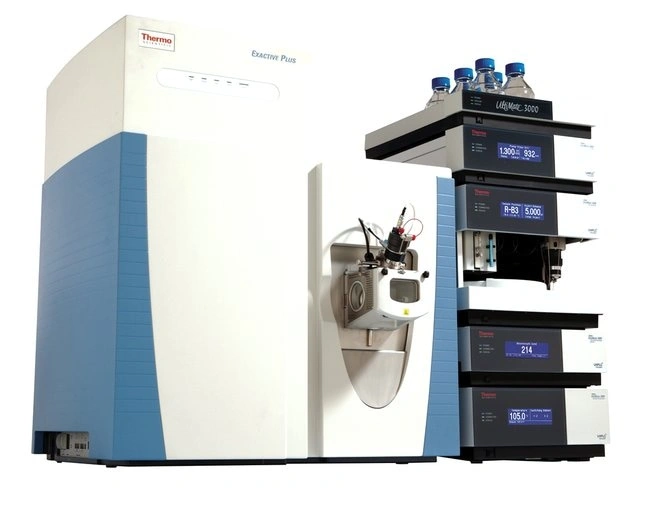
Image Source: News-Medical.Net
Mass spectrometry-based allergen detection targets the allergenic proteins themselves rather than genetic markers. This addresses the fundamental limitation inherent in DNA-based approaches. Liquid chromatography-tandem mass spectrometry (LC-MS/MS) has emerged as a confirmatory method capable of detecting allergenic peptides and proteins directly [10]. This protein-centric strategy lines up detection with allergenic risk, since proteins constitute the actual allergenic hazard rather than DNA sequences.
Protein and peptide identification principle
The analytical approach uses a bottom-up proteomics strategy where intact proteins undergo enzymatic digestion to generate identifiable peptides. Proteins extracted from food matrices are reduced and alkylated, then digested with proteolytic enzymes [7]. Trypsin represents the most common endopeptidase because its selective cleavage of proteins C-terminal to lysine and arginine generates peptides. These peptides have lengths that fall within ranges amenable to mass spectrometric analysis [7]. Alternative enzymes such as pepsin or chymotrypsin may be used depending on target protein characteristics [7].
Marker peptides must satisfy specific criteria for reliable allergen identification. These peptides should exhibit uniqueness to the allergenic protein and show reproducible enzymatic digestion patterns without missed cleavages. They must maintain stability during food processing or heat treatment [7]. Peptide length ranges between 7 and 20 amino acids, as shorter sequences may lack uniqueness whilst longer peptides exhibit poor ionisation efficiency [7]. Two categories serve distinct analytical purposes: qualifier marker peptides confirm allergen presence, whereas quantifier marker peptides establish concentration levels [7].
LC-MS/MS methodology overview
After protein extraction and tryptic digestion, the complex peptide mixture undergoes temporal separation during liquid chromatography. This separation is based on differential affinities for the stationary phase and mobile phase [7]. Eluting peptides pass through electrospray ionisation before interrogation by the mass spectrometer. The most used targeted technique for allergen quantitation involves selected reaction monitoring (SRM), also termed multiple reaction monitoring (MRM) [7].
Triple quadrupole mass spectrometers underlie SRM methodology. The first and last quadrupoles function as static mass philtres for precursor and product ions, whilst the second quadrupole serves as a collision cell to fragment precursor ions [7]. Each target transition consists of the mass-to-charge ratio of a precursor ion and one of its product ions. For each precursor ion bearing a +2 or +3 charge, 3 to 5 of its highest intensity product ions are selected [7]. The predefined nature of these transitions enables non-scanning operation. This results in one to two orders of magnitude superior sensitivity and dynamic range compared with shotgun techniques [7].
Scheduled MRM algorithms monitor individual transitions only during expected retention time windows. This decreases concurrent experiments during each cycle and maximises signal-to-noise ratios [11]. The scheduling approach increases sensitivity, expands the number of quantifiable peptides, and reduces interference from isobaric precursor ions [7].
High specificity and confirmatory capability
Mass spectrometry provides multiple levels of detection specificity through identification of multiple target peptides alongside unique masses and fragmentation patterns. This establishes a two-tiered allergen identification process [12]. For each allergen, analytical protocols monitor two unique proteins, two unique peptides per protein, and two MRM transitions per peptide to ensure confidence in identification [11]. During LC-ESI-MS analysis, laboratories track two qualifier and one quantifier marker peptides to detect allergenic proteins in food matrix samples [7].
This multi-peptide approach reduces false positive and false negative risks compared with single-target methodologies [11]. The analysis of characteristic molecular masses and fragmentation patterns enables direct confirmation of allergenic protein presence. Sensitivity levels achieved through LC-MS/MS detection fall within the same 0.1 to 5 mg/kg range as ELISA methods [7]. Certain applications report lower limits of detection around 2 mg/kg for milk peptides and between 5 and 10 mg/kg for egg peptides [12].
Multiplex detection of multiple allergens
A biggest advantage involves simultaneous detection of multiple allergens within a single analytical run. Validated methods have shown capability to screen 12 food allergens from 5 major classes through 88 MRM transitions representing 44 allergenic peptides [11]. This multiplex capacity proves especially valuable when you have approximately 30% of children with food allergies having multiple sensitivities [7]. Single injection analysis overcomes ELISA limitations where only one allergen can be detected per assay [11].
The EFSA ThRAll project has developed LC-MS methods with sensitivity sufficient to quantify allergens from egg, milk, peanut, almond, and hazelnut at action levels identified by FAO/WHO expert consultation. Further refinement to improve sensitivity by about 3-fold would enable full deployment lined up with performance recommendations [13]. Fewer laboratories operating ELISA testing facilities possess LC-MS/MS capabilities, which tend to carry high costs for purchase, operation, and maintenance. These facilities require specialist training outside molecular biology skills [10].
Comparison: PCR vs ELISA vs Mass Spectrometry
Detection targets: DNA vs protein
The fundamental difference between these analytical approaches centres on their molecular targets. ELISA detects specific proteins through antibody-antigen interactions and targets the allergenic proteins themselves [6]. PCR amplifies DNA sequences unique to allergenic species. This provides an indirect inference of allergen presence through genetic identification [6]. Mass spectrometry identifies peptides derived from allergenic proteins following enzymatic digestion and detects protein fragments rather than intact molecules [5].
This target difference carries the most important implications for allergen risk assessment. ELISA and mass spectrometry measure entities that are associated with allergenic potential. PCR allergen detection identifies genetic material that may persist on its own without protein presence [7]. So PCR cannot distinguish between scenarios where allergenic proteins remain intact versus denatured or absent [8].
Sensitivity and specificity differences
Both ELISA and mass spectrometry achieve high sensitivity and typically detect allergens at concentrations between 0.1 and 5 mg/kg [5][9]. PCR demonstrates high to very high sensitivity. Detection limits range from 0.1 to 1 ppm depending on target sequence selection [6]. Matrix effects can influence performance in all three methods [6].
Specificity characteristics differ a lot. PCR exhibits very high specificity through targeting precise DNA sequences [7]. ELISA offers medium specificity. Antibodies generate cross-reactions between botanically related species on occasion [7]. Mass spectrometry provides superior specificity through identification of unique peptide sequences and fragmentation patterns. This enables precise allergen confirmation even within complex mixtures [9].
Quantitative vs qualitative capabilities
ELISA represents the preferred method when quantitative results are required and delivers protein concentrations through calibration against reference standards [6]. The quantification employs standard curves generated using known analyte concentrations. This provides semi-quantitative or quantitative outputs [9].
PCR delivers qualitative results showing allergen presence or absence [8]. Quantitative evaluation remains possible using conversion factors, but results cannot translate into protein measurements with ease [8][6]. Mass spectrometry offers absolute quantification capabilities through stable isotope-labelled internal standards and allows accurate analyte concentration measurement [9].
Suitability across different matrices
Sample preparation requirements vary a lot. PCR follows standardised extraction protocols whatever allergen is tested [7]. ELISA extraction procedures differ between allergen parameters and can complicate multi-allergen screening [7]. Mass spectrometry requires lengthy and more costly sample preparation that involves protein reduction, alkylation and tryptic digestion [14].
Complex food matrices present distinct challenges. ELISA performs well in many applications but doesn’t deal very well with certain processed foods where thermal treatment alters protein structures [14]. Mass spectrometry methods do not depend on protein conformation. This enables improved quantification in scenarios where immunoassays fail [14].
Performance with processed foods
Processing effects demonstrate divergent patterns. Foods subjected to extensive thermal processing, fermentation or hydrolysis can prove difficult or impossible to detect with current immunoassays [14]. DNA stability exceeds protein stability under thermal stress and renders PCR valuable for heavily processed foods where proteins denature but genetic material remains amplifiable [6]. Highly processed ingredients such as vegetable oils, gelatine and refined starch contain minimal DNA. This presents big challenges for PCR-based detection approaches [7].
Mass spectrometry serves as a confirmatory method when immunoassay or PCR methods deliver conflicting or unexpected results. Multiple peptides can be targeted for detection to improve allergen quantification in challenging scenarios [14].
When to Use Advanced Methods

Image Source: LabLynx
Highly processed food matrices
Thermal processing, enzymatic hydrolysis and chemical modifications drastically alter protein structures within food products. This complicates allergen detection through standard immunoassays. Proteins such as β-lactoglobulin undergo conformational rearrangement, aggregation or glycation during processing. These changes reduce antibody recognition without eliminating peptide detectability [2]. Mass spectrometry targets stable proteotypic peptides that remain detectable after processing, whilst DNA-based assays provide species-level identification whatever the protein conformation [2]. Foods subjected to extensive fermentation or high-temperature treatment can prove difficult or impossible to detect with current immunoassays [4]. Therefore, advanced allergen detection methods address limitations where immunoassays rely on preserved epitope integrity.
Complex formulations and cross-contamination scenarios
Cross-contamination occurring in production plants poses risks of including unpredictable allergens in processed foods, often referred to as hidden allergens [15]. The physical nature of ingredients being used, such as liquid versus powder forms, represents different contamination risk types [16]. Mass spectrometry’s untargeted all-ion fragmentation approach allows fragmentation of all ions within the scanned range. This proves valuable for identifying allergenic proteins in complex samples where many interfering ions co-elute with target analytes [15]. Matrix interference in complex formulations makes recognition of peptide fragments difficult through standard approaches [15]. Targeted high-resolution mass spectrometry methods can calculate allergen levels even with matrix interference by selecting well-defined marker peptides. These techniques prove important especially when trace amounts of allergenic proteins could trigger life-threatening reactions [15].
Discrepancies in routine testing results
Protein composition varies between allergen test extracts and blood test manufacturers. This leads to discrepancies when allergic response targets proteins represented differently across tests [17]. Results of skin tests and blood tests often associate, although discrepancies can occur for various reasons related to protein representation and immune system response variations [17]. Inter-laboratory comparisons of immunoassay test methods for foods such as milk, egg and peanut have shown wide variations in test method performance. Sensitivity and reproducibility of results vary, leaving possibilities that manufacturers and enforcement bodies may get conflicting results [18]. ELISA detection faces challenges from variability across different kits, calibration standards and antibodies used [4].
Investigations and root cause analysis
Analytical testing proves useful in detecting issues when standards related to chemical composition of authentic products have been defined. Compositional differences between authentic and questionable samples must exist, and analytical tests must be confirmed [18]. The concurrent use of targeted and non-targeted mass spectrometry-based methods proves effective in determining marker peptides and developing methods for identifying allergenic proteins in complex foodstuffs [15]. Reliable analytical results are the foundations of appropriate decision-making processes concerning product safety and adequate food safety management measures [18].
Legal disputes and high-risk situations
Requirements for analytical method quality are best assessed in validation studies that involve 8 to 16 laboratories. These studies provide at least 8 valid results for statistical analysis [18]. Parameters assessed include limit of detection, limit of quantitation, repeatability, reproducibility, accuracy and specificity [18]. Laboratories must demonstrate that their methods are fit for purpose and give equivalent results to reference methods. Customers must be able to view them with confidence [18]. Methods must meet stringent validation criteria before regulatory action can proceed based on analytical results from accredited facilities, especially in enforcement scenarios [18].
Role in UKAS-Accredited Laboratories
UKAS accredits laboratories that perform food testing services to ISO/IEC 17025. The accreditation assesses technical competence of staff, validity of test methods, equipment suitability, and quality assurance of test data [13]. The accreditation scope covers allergen analysis among other areas like nutritional testing, authenticity verification, contaminants and microbiology [13].
Availability in specialist testing facilities
Most UKAS-accredited laboratories maintain schedules for ELISA-based allergen testing. These tests cover allergens like peanut, soya, egg white, gluten, casein and sulphites [12]. Advanced methods appear less often within accreditation schedules. Generic procedures support detection of additional allergens. Commercial immunoassay kits work with molecular biology kits for PCR allergen detection under flexible scope arrangements [19]. Fewer laboratories that operate ELISA testing facilities possess LC-MS/MS capabilities. These systems carry high costs for purchase, operation and maintenance. They also require specialist training outside molecular biology skills [20].
Accreditation considerations for advanced methods
UKAS-accredited facilities must demonstrate that methods are fit for purpose and deliver results equivalent to reference methods [20]. Full validation of testing methods requires studies that determine accuracy, precision, sensitivity, specificity, robustness, applicability, repeatability, reproducibility, LOD, LOQ and range in a variety of matrices [20]. Methods must meet stringent validation criteria before regulatory action proceeds based on analytical results in enforcement scenarios [20].
Method validation and performance characteristics
Validation studies involve 8 to 16 laboratories that offer at least 8 valid results for statistical analysis [20]. Inter-laboratory trials provide reliable evaluation of method performance. Certain matrices demonstrate challenging characteristics even under controlled conditions [20]. Advanced detection methodologies require validation data that demonstrates applicability in relevant food matrices. Accreditation bodies then incorporate them within laboratory schedules [20].
Integration Into Allergen Control Strategies
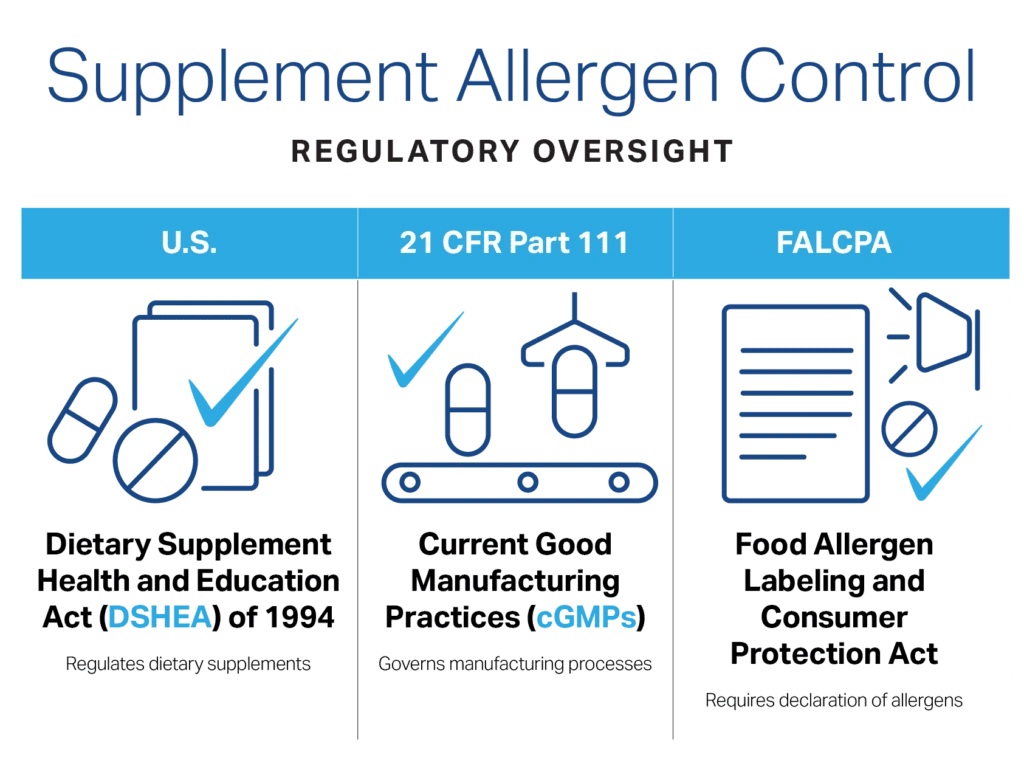
Image Source: Certified Laboratories
Supporting product validation studies
Allergen cleaning validation studies need methods that target proteins rather than genetic markers. ELISA represents the recommended approach for allergen cleaning validations because these assays detect protein and provide results within defined ranges [10]. PCR testing doesn’t work for cleaning validation work. DNA-based methods cannot measure or translate results into protein levels [10]. Validation protocols should target worst-case scenarios and select allergens present at high levels with substantial protein content that resist removal from production lines [10]. Spike recovery testing checks whether laboratory methods can detect allergens in products or ingredients should carry-over occur [10].
Confirmatory testing protocols
Multidisciplinary analytical approaches that combine mass spectrometry, DNA-based methods and ELISA provide conclusive allergen identification where single methods don’t suffice [21]. Government Chemist analyses showed that multiple analytical techniques can be needed to resolve complex allergen detection scenarios [21]. Cross-reactivity checks are essential parts of method validation and ensure tests do not mistakenly detect biologically similar proteins or DNA sequences [8]. Positive control testing works well when contaminants are known and confirms methods detect allergens when present [8].
Complementing ELISA and rapid methods
Mass spectrometry allows multiple allergen detection within single analyses. It delivers fewer false negatives with greater sensitivity, specificity, accuracy and reliability compared with traditional approaches [22]. Analytical techniques such as LC-MS/MS address limitations where processed food proteins become difficult or impossible to detect through conventional immunoassays [22]. ELISA methodologies maintain their position for routine testing, whilst advanced techniques provide confirmatory capability and address challenging matrices within detailed allergen control programmes.
Common Misconceptions About Advanced Testing
Several persistent misunderstandings surround advanced analytical techniques and lead to inappropriate method selection or unrealistic expectations regarding detection capabilities.
PCR detection equals allergen risk
The biggest misconception involves equating DNA detection with allergenic hazard. PCR allergen detection represents an indirect indicator of allergenic potential rather than direct measurement of allergenic proteins [7]. A processed food product might contain little or no DNA yet retain substantial quantities of allergenic protein. The opposite can also occur where amplifiable DNA exists with negligible allergenic potential [7]. DNA proves more resilient than protein, which makes this assay useful for products subjected to high heat, pasteurisation, and fermentation that denature proteins [23]. But it cannot distinguish between different foods sharing the same DNA sequences [23]. Therefore, positive PCR results require interpretation within broader analytical context rather than serving as sole indicators of allergen risk [7].
Mass spectrometry is always required
LC-MS/MS demonstrates capability in scenarios where ELISA fails, but it does not represent a universal replacement for immunoassays. One documented case showed ELISA failing to detect allergens at concentrations as high as 1,000 mg/kg in bread matrix, whilst mass spectrometric analysis demonstrated presence clearly [24]. But ELISA methodologies remain appropriate for most routine applications. The complex procedures, expensive equipment, and specialist training required for LC-MS/MS [23] justify its deployment to confirm results, analyse processed matrices, or investigate specific scenarios.
ELISA has become obsolete
ELISA remains the most popular method used by food processing facilities and third-party analytical laboratories [23]. These kits are easy to use and interpret, accessible to more people, sensitive, economical, and cover a wide array of known allergens [23]. Besides these advantages, ELISA provides quantitative results suitable for regulatory compliance and allergen control programmes. Advanced methods complement rather than replace immunoassays within detailed testing strategies.
Conclusion
Advanced allergen detection technologies serve distinct roles within complete analytical strategies. ELISA maintains its position for routine quantitative testing. PCR demonstrates value where thermal processing denatures proteins yet preserves DNA integrity. Mass spectrometry provides confirmatory capability through multi-peptide identification and addresses scenarios where immunoassays face limitations. Selection of appropriate methods requires careful thought about matrix characteristics and processing history. Food manufacturers and accredited testing laboratories benefit most from integrated approaches that use complementary strengths across technologies. Without doubt, strategic deployment of these analytical capabilities boosts allergen control reliability and supports regulatory compliance with consumer protection objectives.
Key Takeaways
Advanced allergen detection methods complement traditional ELISA testing by addressing specific analytical challenges in complex food matrices and processed products.
• PCR detects DNA sequences rather than allergenic proteins, making it valuable for heat-processed foods but unsuitable for cleaning validation or direct risk assessment
• Mass spectrometry identifies unique peptide sequences from allergenic proteins, providing confirmatory capability when ELISA methods fail in complex matrices
• ELISA remains the gold standard for routine quantitative allergen testing, whilst advanced methods serve confirmatory and investigative roles
• Method selection depends on food processing history, matrix complexity, and testing objectives rather than assuming newer technologies are always superior
• Integrated analytical approaches combining multiple techniques provide the most reliable allergen detection in challenging scenarios
These advanced techniques enhance food safety programmes by providing complementary detection capabilities, particularly for heavily processed foods where traditional immunoassays may struggle. However, they supplement rather than replace established ELISA methodologies in comprehensive allergen control strategies.
FAQs
Q1. What is the main difference between PCR and ELISA for allergen detection? PCR detects DNA sequences from allergenic food sources, whilst ELISA detects the actual allergenic proteins. This means PCR provides an indirect indication of allergen presence through genetic material, whereas ELISA directly measures the proteins that cause allergic reactions. PCR is particularly useful for heavily processed foods where proteins may be denatured but DNA remains intact, though it cannot confirm whether allergenic proteins are actually present or pose a risk.
Q2. When should mass spectrometry be used instead of standard ELISA testing? Mass spectrometry becomes valuable when ELISA methods face limitations, particularly in highly processed foods where thermal treatment or chemical modifications alter protein structures. It’s also useful for confirmatory testing when routine results are conflicting or unexpected, in complex formulations with multiple ingredients, and during investigations requiring high specificity. However, mass spectrometry requires specialist equipment and training, making it more suitable for confirmatory rather than routine testing.
Q3. Can PCR testing be used for allergen cleaning validation? No, PCR is unsuitable for cleaning validation work. Cleaning validation requires quantitative measurement of allergenic proteins to ensure surfaces are adequately cleaned. Since PCR detects DNA rather than proteins, it cannot provide the protein-level quantification needed for validation studies. ELISA remains the recommended approach for allergen cleaning validations as it directly detects and quantifies allergenic proteins.
Q4. Are advanced allergen detection methods replacing ELISA in food testing laboratories? No, ELISA remains the most widely used method in food processing facilities and analytical laboratories. It continues to be the gold standard for routine quantitative allergen testing due to its ease of use, cost-effectiveness, wide availability, and proven reliability. Advanced methods like PCR and mass spectrometry complement rather than replace ELISA, serving specific purposes such as confirmatory testing, investigating discrepancies, or analysing heavily processed foods.
Q5. What are the sensitivity levels of PCR and mass spectrometry compared to ELISA? Both PCR and mass spectrometry achieve sensitivity comparable to ELISA, typically detecting allergens at concentrations between 0.1 and 5 mg/kg. PCR can detect allergens at 0.1 to 1 ppm depending on the target sequence, whilst mass spectrometry achieves detection limits around 2 mg/kg for milk peptides and 5-10 mg/kg for egg peptides. However, sensitivity alone doesn’t determine the best method—the choice depends on the food matrix, processing conditions, and whether DNA or protein detection is more appropriate for the specific application.
References
[1] – https://www.hygiena.com/news/available-allergen-testing-methods
[2] – https://www.sciencedirect.com/science/article/pii/S0889157526000967
[3] – https://allergenbureau.net/uk-fsas-review-of-main-allergen-detection-methods/
[4] – https://www.food.gov.uk/research/review-of-allergen-analytical-testing-methodologies-allergen-detection-methods-unbiased-literature-search
[5] – https://www.news-medical.net/life-sciences/Food-Allergen-Detection-ELISA-versus-Mass-Spectrometry.aspx
[6] – https://blog.invitek.com/articles/foodsafetyintegrity/food-allergen-testing-should-you-use-elisa-pcr-or-lfa-methods
[7] – https://food.r-biopharm.com/news/pcr-in-allergen-analysis-a-controversial-issue/
[8] – https://www.rssl.com/insights/food-consumer-goods/food-allergen-detection-choosing-the-right-testing-method/
[9] – https://spbase.org/elisa-versus-mass-spectrometry/
[10] – https://www.rssl.com/insights/food-consumer-goods/designing-a-successful-allergen-cleaning-validation-strategy/
[11] – https://sciex.com/tech-notes/food-beverage/food-and-beverage/simultaneous-analysis-of-12-food-allergens-in-baked-and-raw-food
[12] – https://www.als-testing.co.uk/news/als-ukas-accredited-allergen-testing
[13] – https://www.ukas.com/accreditation/standards/laboratory-accreditation/food/
[14] – https://www.thermofisher.com/blog/analyteguru/food-allergen-detection-in-complex-matrices-utilising-the-power/
[15] – https://analyticalsciencejournals.onlinelibrary.wiley.com/doi/10.1002/pmic.202200427
[16] – https://www.food.gov.uk/business-guidance/precautionary-allergen-labelling
[17] – https://www.allergicliving.com/experts/how-does-a-parent-reconcile-different-food-allergy-test-results/
[18] – https://www.gov.uk/government/news/gc-at-international-conference-on-food-fraud-and-allergen-management
[19] – https://www.ukas.com/wp-content/uploads/schedule_uploads/00002/1916Testing-Multiple.pdf
[20] – https://www.food.gov.uk/research/review-of-allergen-analytical-testing-methodologies-evidence-gaps-in-allergen-management-and-testing
[21] – https://www.gov.uk/government/news/workshop-an-analytical-roadmap-for-detecting-allergens
[22] – https://www.thermofisher.com/uk/en/home/industrial/food-beverage/food-beverage-learning-centre/food-analytical-testing-information/food-allergens-testing-information.html
[23] – https://www.ift.org/food-technology-magazine/special-considerations-for-allergen-testing
[24] – https://pmc.ncbi.nlm.nih.gov/articles/PMC3723902/