Allergen cross-contamination poses a most important threat to UK food businesses, especially since the country has some of the highest rates of allergic conditions globally. The Food Standards Agency reports that roughly 2% of adults and up to 8% of children have a food allergy. This equates to well over 2 million people in the UK who could experience serious allergic reactions. In fact, the UK recognises 14 major allergens that must be declared when used as ingredients. Allergen management needs to work and requires understanding when allergen cross-contamination can happen unintentionally. You need a full picture of allergen cross-contamination risks and strong prevention strategies. This piece explores how to prevent allergen cross-contamination in all operational areas, from production lines to rework handling.
Understanding Allergen Cross-Contamination vs Cross-Contact
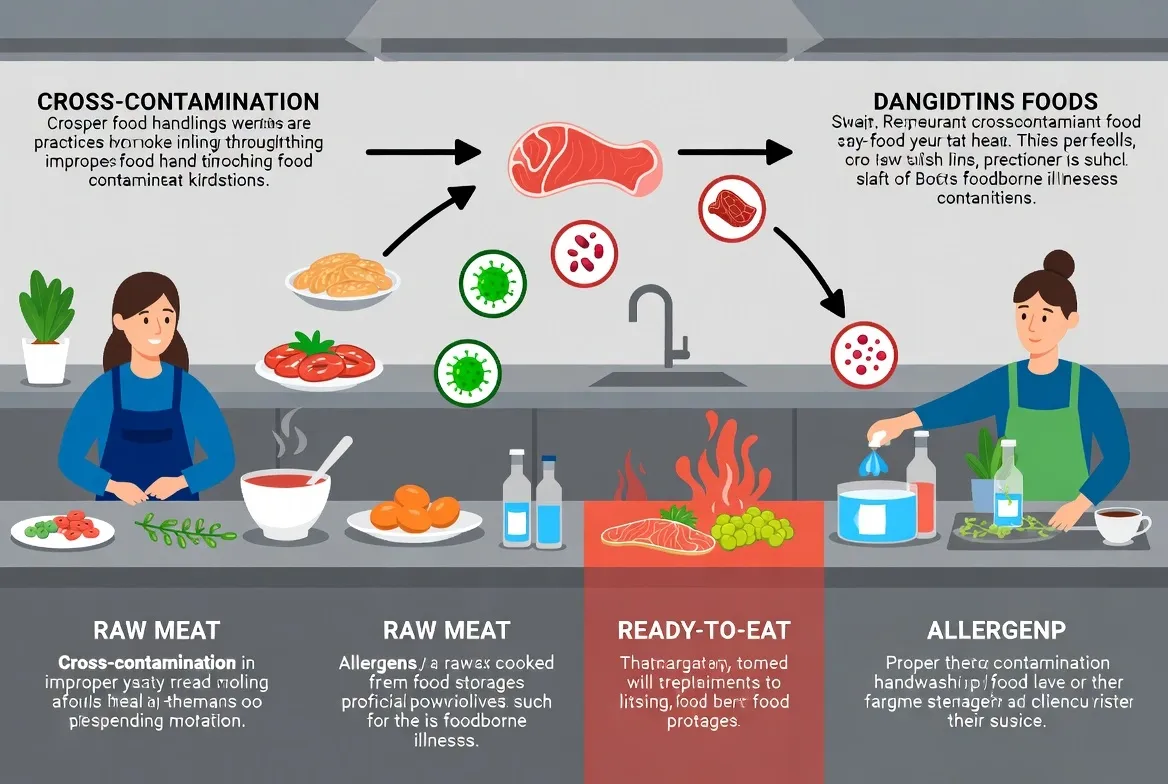
Image Source: Natun Kicho
What is allergen cross-contamination?
Allergen cross-contamination occurs when traces of allergens transfer unintentionally into products during processing, manufacturing, handling, transport, or storage [1]. The Food Standards Agency defines this as the accidental introduction of allergenic material into foods where it should not be present. Cross-contact and allergen cross-contamination are interchangeable terms, though cross-contact has emerged as more precise terminology [1].
The difference matters because traditional cross-contamination refers to pathogenic bacteria transferred from contaminated non-ready-to-eat food onto ready-to-eat food [1]. Thorough cooking destroys non-spore forming bacteria but not allergens [1]. Cross-contact represents a more accurate descriptor, as allergen proteins behave fundamentally differently from microbial hazards.
Both direct and indirect transfer routes exist. Direct contamination happens when an allergen already present in a finished product is removed. Indirect contamination occurs when unintentional allergens transfer through food and hand contact surfaces, airborne particulates, or when a product is cooked in water or oil contaminated with traces of an intentional allergenic ingredient [1]. Understanding these allergen cross-contamination routes are the foundations of effective control.
Cross-contamination vs cross-contact: key differences
Cross-contamination involves harmful bacteria, viruses, parasites, or chemicals tainting food and affecting anyone whatever their allergies [1]. Common contaminants include Salmonella, E. Coli, Listeria, Campylobacter, Norovirus, and Hepatitis A [1]. Proper cooking to recommended internal temperatures can neutralise these pathogens [1].
Cross-contact, by the same token, addresses allergen protein transfer between foods [1]. When one food comes into contact with another, their proteins mix and result in each food containing small amounts of the other [1]. These amounts are so small they usually cannot be seen, yet even minute quantities trigger reactions in allergic individuals [1].
The critical difference centres on elimination methods. Cooking foods to safe internal temperatures can kill pathogenic microorganisms, whereas allergen proteins cannot be eliminated this way [2]. Food processing, including heating, does not consistently destroy food allergens and may actually increase their potency in some cases, for example roasting peanuts [1]. This fundamental difference shapes how food businesses approach allergen cross-contact vs cross-contamination control strategies.
Cross-contact is relatively new terminology, with many food industry professionals still using cross-contamination incorrectly when referring to allergens [1]. This confusion extends to food manufacturers and allergists who mix up the two terms [1]. Cross-contact should be used when discussing food allergens, whilst cross-contamination applies to foodborne bacteria or viruses [1].
Why cross-contamination is a critical food safety hazard
Unintentional or undeclared allergen presence in prepacked products, typically resulting from ineffective allergen management such as inadequate cleaning or mispacking, represents the most common cause of product recalls in the UK [1]. A study published by the Food Standards Agency in 2014 detected gluten (3.3%) and milk (2.1%) in prepacked products not presented as containing intentional allergenic ingredients and which carried no precautionary advisory label [1].
Beyond public health risks, product recalls prove financially devastating. The average food company faces direct costs of £7.94 million or more [1]. Cross-contamination, whether from naturally occurring allergens, undisclosed allergens, or ineffective hygiene procedures, creates a most important hazard for food processors [1].
Some food products with no allergen declaration or precautionary allergen labelling contained sufficient undeclared allergen residue to pose a risk to public health [1]. These results highlight the need for food industries and regulators to adopt transparent, risk-based approaches to assess risks associated with potential cross-contact throughout the production chain [1].
Allergens in food pose particular risk to allergic consumers when present without declaration or warning [1]. The current regulatory framework within the European Union mandates declaration of 14 allergens deliberately added as ingredients, but it does not cover unintentional cross-contamination with allergens or resultant use of advisory labelling [1]. Food manufacturers must always assess the potential and effect of allergen cross-contamination, and if the risk proves real and present, provide appropriate precautionary allergen labelling [1].
Effective food allergen control requires integrating allergen considerations into HACCP assessments and implementing strong allergen prerequisite programmes in any operational area.
When Can Allergen Cross-Contamination Happen Unintentionally
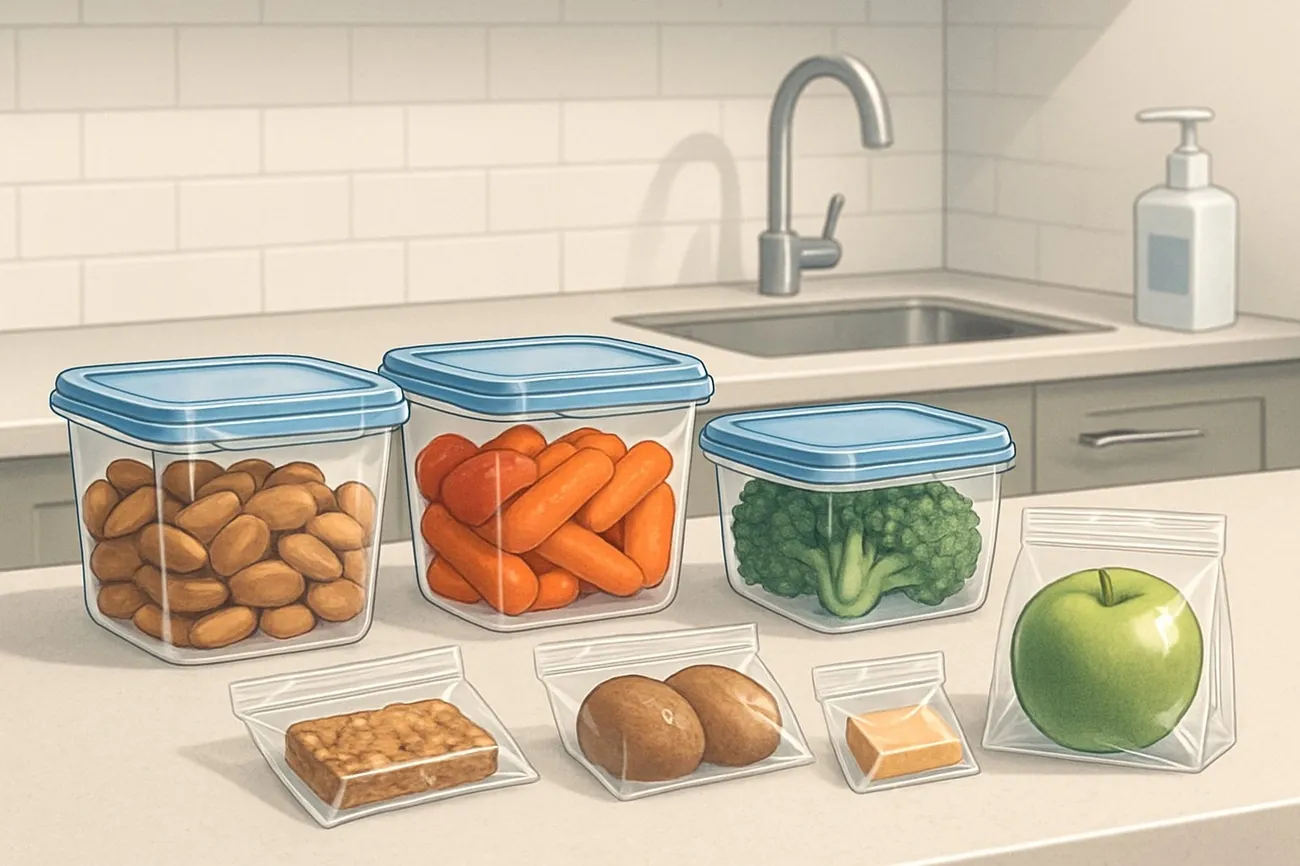
Image Source: Giraffy Co.
When Can Allergen Cross-Contamination Happen Unintentionally
Allergen cross-contamination can occur through multiple pathways during food processing, manufacturing, handling, transport, and storage. A full picture of risk should account for processing aids, raw material handling, storage, transport, people, cleaning, shared equipment, rework, air particles in preparation areas, supply chain, and packaging as potential contamination sources [1].
Direct contact routes
Direct contact allergen contamination happens through three mechanisms. Food-to-food contact occurs when different foods touch or when one food drips onto another [1]. A classic example involves an unwashed knife previously used to make a peanut butter sandwich. The knife gets used to prepare a second sandwich without peanut butter and inadvertently transfers peanut protein [1].
Food-to-hand-to-food contact represents another route that matters. This happens during food preparation when staff use ingredients from multiple containers holding different allergens. They don’t wash hands between tasks [1]. The same issue arises when assembling sandwiches or adding toppings to food items. Hand sanitising gel is not enough for allergen removal; warm or hot soapy water or commercial wipes must be used [1].
Shared cooking liquids create additional risks. Fryers used for cooking foods with different allergen content transfer proteins between batches [1]. A study of food allergic individuals who experienced reactions at restaurants found that 22% of cases resulted from cross-contact with shared cooking or serving supplies [1]. Neither restaurant staff nor allergic customers were aware of the cross-contact before the reaction. This highlights the silent danger during food preparation.
Indirect transfer through equipment and surfaces
Indirect allergen contamination occurs through food-to-equipment-to-food pathways. Sharing utensils without washing and drying them well, or using the same cutting board for multiple ingredients, helps protein transfer [1]. Full cleaning using a wash-rinse-sanitise-air dry method works well at allergen removal and minimises transfer [1].
Surface texture influences how well cleaning works. Allergens are more difficult to remove from textured plastic than stainless steel or wood surfaces [1]. Pre-scraping food from surfaces before full cleaning helps allergen removal, while wet cloths and alcohol/quat wipes demonstrate greater effectiveness than dry wipes [1][1].
Dish soap alone may not be enough; a 2004 study found it did not remove peanut allergen [1]. Commercial detergent-containing wipes or spray-on detergents applied with vigorous wiping clean contaminated surfaces well [1]. Storing cloths in sanitizer solution minimises allergen transfer between surfaces [1].
Airborne allergen contamination
Airborne allergen contamination presents challenges in facilities handling powdered allergens. Aerosolization of food proteins can occur during steaming, frying, boiling, shredding, slicing, or grinding [1]. Proteins contact mucosal surfaces including eyes, nose, and lungs once airborne [1].
Businesses should be aware of decanting ingredients and air currents where they can. They should avoid movement of lightweight ingredients such as flour via air [1]. Air filtration systems matter in preventing allergens from becoming airborne and contaminating other products [1]. Air flow controls prevent airborne allergen particulate matter from entering allergen-free zones; positive air pressure environments in packaging areas or micro air filtration provide solutions that work [1].
Smaller retailers selling breads, sandwiches, and confectionery view airborne risks from flour or sesame seeds falling off products during packing and sale as challenging to control [3].
Cross-contamination during storage and transport
Segregated storage of allergen-containing ingredients provides physical separation from non-allergen ingredients [1]. Where dedicated areas are not feasible, storing allergenic ingredients below rather than above non-allergenic products prevents dripping contamination. Bread rolls with sesame seeds should be kept separate from those without, for example [1].
Packaging integrity matters. Containers must be sealed well to prevent allergenic foods from spilling onto allergen-free foods [4]. Equipment and containers must be cleaned after transporting allergenic foodstuffs during transport and checked for visible debris absence [5].
Rework is an area of allergen risk
Rework is an area of allergen risk. It refers to finished or partially finished products reincorporated into manufacturing. Work-in-Progress consists of partially finished products between production stages [1].
Both rework and WIP increase the risk of introducing allergens through erroneous addition of allergen-containing material into products that do not contain specific allergens as ingredients. They also increase risk through cross-contact via shared containers or utensils during holding or storage [1]. Rework containing an allergen is inherently risky to handle, so processors should assess their processes and identify cross-contact opportunities. They should develop written procedures that prevent their occurrence [1].
Allergen Cross-Contamination Risk Assessment
How to conduct an allergen risk assessment
Allergen risk assessment methodology functions as a structured process to determine risks arising from unintentional allergen presence [6]. Multidisciplinary teams complete the most effective assessments. These teams comprise knowledgeable technical and quality staff, production personnel, procurement specialists, innovation teams and maintenance staff [1]. This collaborative approach will give all potential contamination routes scrutiny from personnel who understand operational realities.
The assessment begins with gathering required information. Businesses must list all raw materials and the allergen status of each ingredient, processing aid, work-in-process and rework product [1]. This list requires cross-referencing against current product specifications and product information forms to confirm all declared allergens have been captured [1]. Verification against actual products stored in warehouses and NPD stores confirms that assumed and actual inventory line up [1].
Physical form matters much. Powdered allergens such as flour, milk powder and soy isolate carry greater risk of becoming airborne and spreading to other facility areas than particulate allergens like sesame or tree nuts, which spread through people movement and cleaning practises [1]. Current process flow diagrams for each unique production process serve as guides to query potential allergen hazard identification from equipment and environment [1].
The team then conducts the physical assessment by walking through the facility. They follow the sequence shown on process flow diagrams and look at each step for allergen presence and cross-contact possibility [1]. This walkthrough scrutinises receival and storage areas for effective segregation between allergens and non-allergens, signage facilitating designated storage areas and positioning that might increase spill contamination risk [1]. Ingredient weigh-up areas need assessment for separate utensils, periodic washing facilities and mechanical dust extraction for powdered ingredients [1].
Production processes demand examination of allergen sequencing schedules, validated cleaning processes between allergen and non-allergen runs, protective clothing as contamination sources, air-conditioning outlet locations, fan usage distributing airborne allergens and waste-handling protocols preventing allergen spread [1]. Packing areas need strict product changeover protocols that will give correct product-label matching [1].
Risk scoring methodology and matrices
Teams must think about probable risk against remote chance for contamination or cross-contact once all allergen handling and storage locations are identified [1]. Any probable risks need practicable and sustainable control measures to eliminate, reduce or prevent allergen contamination risk [1]. The allergen risk scoring process helps prioritise where control efforts deliver maximum protection.
Identifying critical control points in your operation
Food manufacturers must think about allergens when undertaking Hazard Analysis and Critical Control Points assessments [7]. Allergen CCPs represent steps where control proves most important to prevent or eliminate food safety hazards [8]. Decision trees help CCP determination, though businesses can devise their own based on experience and judgement [8]. Allergen management needs more than segregating foods. It demands separate procedures addressing the biggest risk allergens pose [8]. Allergen HACCP integration will give allergen controls systematic attention among other food safety hazards.
Mapping contamination pathways in your facility
Allergen mapping provides a visual guide on allergen locations and areas most at risk from cross-contamination [1]. Designated allergen storage and handling areas need identification on floor plans with corresponding control measures communicated to staff [1]. This mapping process proves instrumental in proving finished products with allergen-free claims right and provides rationale for allergen cross-contact labelling [1]. The mapping exercise demonstrates reasonable precaution and due diligence to allergen management [1].
The Hierarchy of Control for Allergen Management
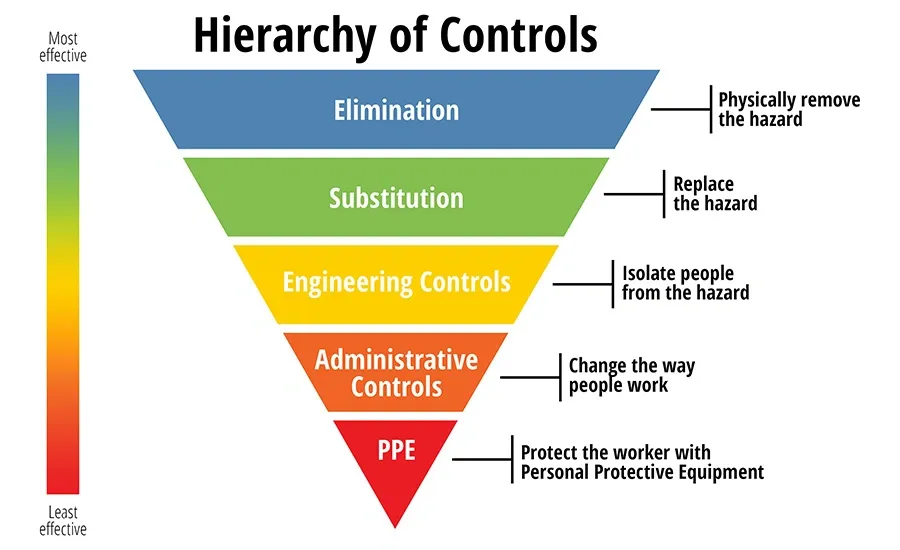
Image Source: Food Safety Magazine
The Hierarchy of Control for Allergen Management
Allergen control hierarchy applies a systematic framework borrowed from occupational health and safety principles. The approach ranks control measures from most to least effective. It prioritises permanent solutions over reliance on human behaviour. Food businesses implementing allergen management systems should adopt this proactive and preventative approach rather than reactive responses once contamination occurs [9].
Elimination: removing allergens entirely
Allergen elimination represents the most effective control strategy. Removing allergens from product formulations eliminates cross-contamination risk at source ideally. Complete isolation requires a dedicated facility to handle products with allergens [10]. This proves viable for businesses manufacturing allergen-free product ranges.
Where dedicated facilities prove economically unfeasible, isolated production lines within the same facility offer an alternative. Stringent sanitation prevents cross-contact [10]. Some manufacturers reformulate products to exclude high-risk allergens, though this depends on whether alternatives maintain product quality and consumer acceptance.
Substitution: choosing lower-risk alternatives
Where elimination proves impractical, substitution offers the next tier of protection. Ingredient substitution replaces high-risk allergens with safer alternatives [11]. Sunflower seeds or sunflower seed butter can replace peanuts, which rank amongst top allergens. Businesses can substitute almond, cashew, coconut, macadamia, oat, or rice milk for cow’s milk in suitable applications [5].
These substitutions require careful thought. Some allergen substitutions are themselves allergens. Replacing one allergen with another food the consumer is allergic to proves counterproductive [12]. Nutritional adequacy matters equally, as substituted ingredients may not match the original nutritionally [5].
Segregation: physical separation strategies
Allergen segregation controls cross-contact through space, time, and personnel separation [3]. Space segregation places foods without allergens on shelves above those containing allergens, with separate storage and handling areas where possible [3]. Dedicated allergen lines and processing machinery provide optimal spatial control [3].
Time segregation addresses shared equipment allergen management when designated processing lines prove impossible. Processing sequence, running order of different products, and cleaning placement within this sequence minimises allergen cross-contact [3].
Personnel segregation assigns different staff to tasks with allergen-free versus allergen-containing foodstuffs where possible [3]. Colour-coding systems for allergen zones provide immediate visual identification of dedicated equipment and utensils [13]. Physical barriers such as screens set up temporary segregated areas. They prove more economical and flexible than permanent walls whilst reducing downtime [13].
Procedural controls: cleaning and handling protocols
Procedural controls centre on validated cleaning and handling protocols. Residual food allergens remain on equipment and necessitate cleanable or dedicated equipment [3]. Fit-to-purpose, hygienically designed equipment prevents allergens getting stuck or accumulating. This facilitates effective cleaning with appropriate agents [3].
Cleaning chemicals must prove compatible with equipment without causing corrosion or issues leading to allergen-containing food soil harbourage [3]. Cleaning effectiveness at removing relevant allergens requires validation and verification, with procedures remaining repeatable [3].
Administrative controls and supervision
Administrative controls constitute the final defence layer. Personnel and protective clothing can act as allergen cross-contact vectors unintentionally [3]. This point often gets overlooked. All personnel require training in best practise processes and procedures thoroughly, with awareness and competence in taking active steps to avoid food allergen cross-contact [3]. Senior management authorisation of documented allergen control plans communicates commitment throughout organisations [14].
How to Prevent Allergen Cross-Contamination: Practical Strategies
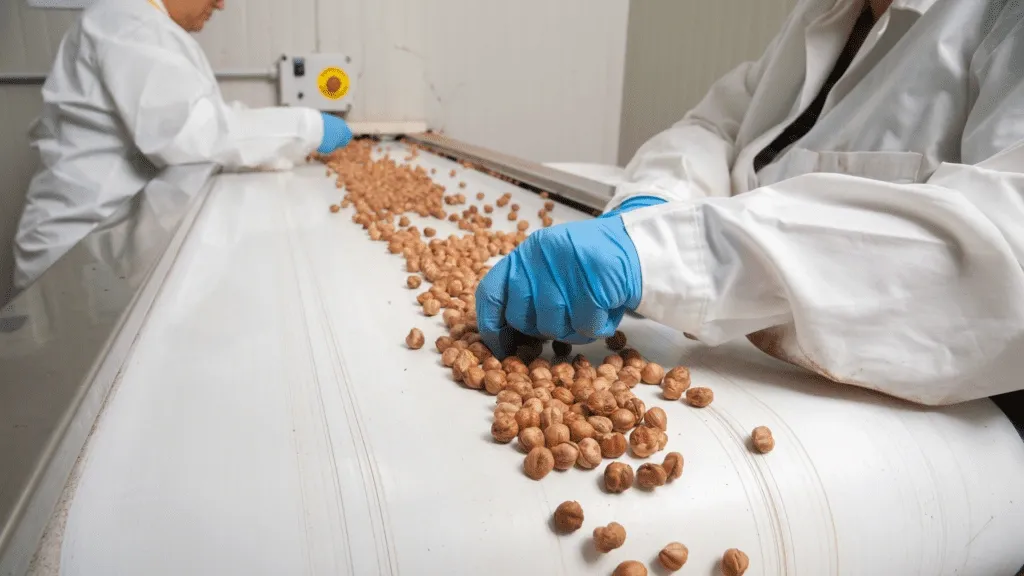
Image Source: Certified Laboratories
How to Prevent Allergen Cross-Contamination: Practical Strategies
You need multiple control layers tailored to your facility’s constraints and the allergen profiles you handle to implement reliable prevention measures.
Dedicated production lines and equipment
Line segregation allows you to produce multiple allergen-containing products at the same time on different lines [4]. You achieve the best isolation with separate facilities. Most co-manufacturers that handle various allergens find building dedicated plants impractical [4]. The best isolation creates physical separation by assigning rooms to different allergens, though this gets pricey and requires advance planning [4]. Dedicated equipment proves more feasible where you cannot justify full line separation on economic grounds.
Effective changeover procedures between allergen runs
Managing allergen changeover procedures is especially challenging when you have different allergens handled on the same line or equipment [15]. Production scheduling techniques reduce the changeovers you need. Runs should begin with formulas that contain the least allergens and progress to those with more [15]. How often you verify depends on changeover numbers. Lines with only three changeovers monthly require testing schedules nowhere near the same as lines with several daily changeovers [16]. High-risk products should undergo verification testing for every changeover. This decreases to monthly for medium-risk products and quarterly for low-risk products [16].
Colour-coding systems for allergen zones
Allergen management assigns purple to cutting boards, tongs, turners, knives, measuring tools and storage containers designated for allergen-free food preparation [17]. Colour-coding is vital in preventing allergen cross-contamination [18]. Orange equipment could be used only in allergen processing areas to minimise cross-contamination risk [19]. Small or medium operations should limit colours to 3-5 and choose contrasting colours for adjacent zones [20].
Cleaning validation and verification methods
Validation gathers evidence that proves a cleaning regime can remove allergen soils effectively and repeatedly. You should perform this ideally before implementation [6]. Verification proves the validated cleaning regime was performed correctly and remains effective. You carry this out on an ongoing basis [6]. Testing should use allergen-specific ELISA kits rather than ATP testing, which serves only as a general indicator not related to allergens [15]. Chlorinated alkaline detergent represents one of the best compositions for removing proteins from stainless steel surfaces [21]. You should avoid high-pressure cleaning above 40 bars as it embeds allergenic particles and debris in aerosols and spreads them across the site [21].
Personal hygiene measures for staff
Staff must wash hands really well with soap and hot water when preparing allergen-free meals [22]. Hand washing is essential between preparing dishes with and without certain allergens [23]. Kitchen staff require a clear understanding of how to record allergens when recipes change and who receives these reports [22].
Managing airborne allergen risks
Proper ventilation systems reduce airborne allergen concentration by circulating fresh air and filtering contaminants [24]. Regular maintenance keeps ventilation systems functioning efficiently and improves indoor air quality [24]. Dust collection helps reduce migration of airborne particulates that processes generate [4].
Supplier and Ingredient Risk Management

Image Source: FICSI
Supplier and Ingredient Risk Management
The legal responsibility for allergen accuracy rests with the food business operator selling to the consumer, not with the supplier [25]. This fundamental principle shapes how businesses must approach supplier allergen management and requires verification rather than simple acceptance of supplier-provided information.
Checking supplier allergen declarations
Good supplier management informs decisions on appropriate frequency of checks on raw materials and specification reviews [26]. Businesses should manage allergen cross-contamination risk in the supply chain by checking the allergen status of all ingredients with suppliers and conducting specification reviews on a regular basis [26]. Suppliers must be asked to notify changes in allergen status of ingredients or materials they supply [26]. Appropriate checks on incoming goods must be carried out. These include identifying damaged packaging and verifying delivery vehicles remain clean and free from spillages [26]. Any change in supplier should be accompanied by appropriate checks through audits or forms requesting suppliers provide required information. These checks should be undertaken for new ingredients before purchasing or coming on-site to ensure the allergen status of finished products remains unchanged [26].
Understanding precautionary allergen labelling from suppliers
Precautionary allergen information from ingredient suppliers should be passed to the final consumer unless the food business risk assessment supersedes that information [26]. Businesses must identify all potential allergens in foods and ingredients entering their premises, reviewing allergen information from suppliers and passing it on with accuracy [8]. Regular review of products to which precautionary allergen labelling applies is especially important when you have ingredient suppliers, recipes, or on-site practises that change [8].
Verifying raw material allergen profiles
Full product specifications must be requested from every supplier, not just labels [25]. Generic product labels are insufficient as they disclose what allergens are included on purpose but may not reveal manufacturing cross-contact risks [25]. Never use finished product labels as a specification. Ingredient lists and allergen declarations on raw material packaging may have been adjusted to comply with labelling regulatory requirements and may not provide enough information for risk review [27]. Businesses should verify supplier data by cross-checking labels against specifications and contacting suppliers to clarify information [25].
Managing ingredient changes and substitutions
Supplier formulation changes represent one of the most common causes of allergen labelling errors [25]. Kitchen staff must know how to record allergens when recipes change and communicate this throughout the business in an adequate manner [28]. Procedures must exist to approve and record ingredient substitutions and identify whether ingredient changes occurred [28]. Specification change notification requirements should be built into supplier agreements on the condition that suppliers notify in advance of any formulation or manufacturing environment changes affecting allergen content [25].
Labelling Decisions and Precautionary Statements
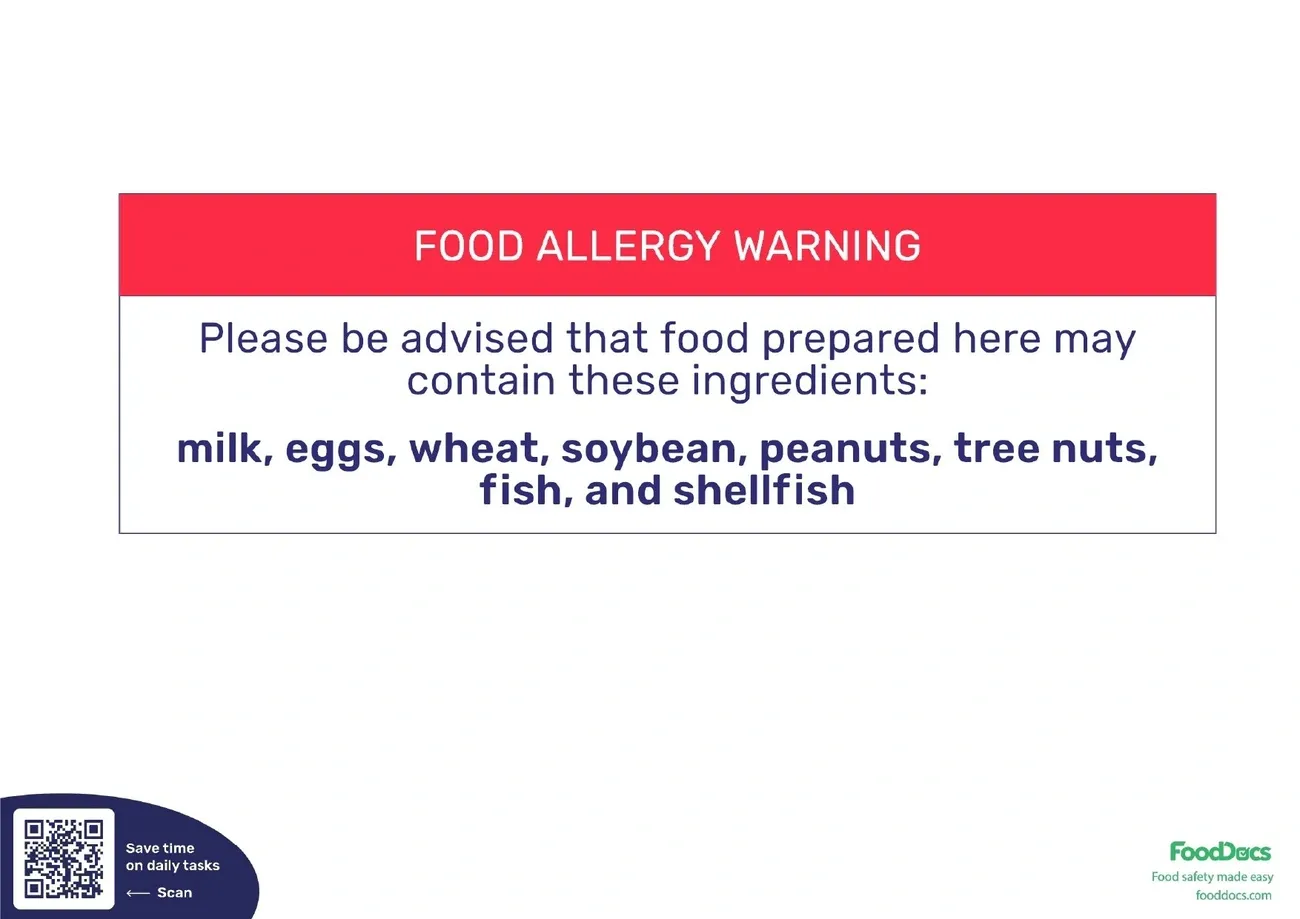
Image Source: FoodDocs
Labelling Decisions and Precautionary Statements
Labelling decisions represent the final communication step between risk assessment outcomes and consumer protection. Understanding when to use ‘may contain’ warnings requires thinking over regulatory guidance and consumer impact.
When to use ‘may contain’ warnings
Precautionary allergen labelling should be used only when a risk of allergen cross-contact within the supply chain is identified that cannot be removed through risk management actions [26]. The FSA advises PAL application only after getting a full picture of risk when genuine risk exists which cannot be controlled through segregation and cleaning [1]. Generic blanket statements such as “may contain allergens” could be deemed misleading because they are not based on assessment of cross-contamination risk for each of the 14 regulated allergens [26]. Statements should make specific reference to one or more regulated allergens that may be present unintentionally [29].
Free-from claims and validation requirements
With the exception of “gluten-free”, no specific UK or EU legislation covers “free-from” claims [30]. A “free-from” allergen claim is an absolute claim unless a regulatory threshold has been set and should be used only after rigorous assessment of ingredients, process and environment [30]. For a “free-from” claim to be not misleading, it would need to be an analytical zero, which means the allergen cannot be detected using the best and most appropriate method of detection [1]. Gluten-free statements differ from other free-from statements in that they are not absolute claims but stipulate levels of gluten below 20mg/kg [29].
Natasha’s Law compliance for PPDS foods
Any food business producing prepacked for direct sale food is required to label it with the name of the food and a full ingredients list, with allergenic ingredients emphasised within the list [7]. These labelling requirements, known as Natasha’s Law, help protect consumers by providing allergen information on packaging that could save lives [7]. This has food consumers select themselves from display units, products kept behind counters, or some food sold at mobile or temporary outlets [7].
Avoiding misleading allergen statements
Precautionary allergen labelling statements should not be used in conjunction with a “free-from” statement for the same allergen, because a free-from claim is a guarantee that the food is suitable for all with food hypersensitivity to that allergen [29]. Given that 95% of respondents to the FSA’s December 2021 consultation agreed it may be misleading if PAL and free-from wording are used on the same label, this position will be reaffirmed [1]. Precautionary allergen labelling can be used in combination with vegan labels because vegan labels communicate different information and target different consumer groups [29]. Use of precautionary allergen labelling when no genuine risk has been identified could be considered misleading food information [26].
Detection, Monitoring, and Hold/Release Controls

Image Source: ALS Global
Detection, Monitoring, and Hold/Release Controls
Verification programmes confirm whether prevention measures control allergen cross-contamination in production environments.
Environmental monitoring and swab testing
Environmental allergen monitoring has samples from production process areas of all types and thinks over equipment used for both allergen-free and allergen-containing products. Employee traffic patterns and behaviours identify areas that contaminate easily. Equipment carrying dust represents potential allergen sources. Examples are vacuum cleaners, brooms and compressed air. Direct product contact surfaces matter most where product is exposed to the environment before final package closure. These are tables, conveyor belts, buckets, fillers, hoppers, utensils, employee hands and gloves. Facilities can rotate sites at each sampling interval to increase coverage. For example, if 60 potential sampling sites exist, randomly select 10 to 15 sites weekly and ensure each site is sampled at least once monthly.
Allergen testing methods and laboratories
ELISA-based methods determine allergenic food protein presence with each assay targeting certain allergenic proteins with limited cross-reactivity. ELISA-based methods may not detect target proteins that are denatured due to heat treatment or fermentation. This means kit selection appropriate for the matrix becomes necessary. DNA-based methods prove appropriate when sample types give false negative ELISA results. ATP quick tests assess surface cleanliness but do not measure allergenic proteins directly.
Hold and release procedures for suspect batches
All product produced on tested lines should be held until final results are received when testing any direct food contact surface sites for allergens. Allergen hold and release procedures prevent potentially contaminated product reaching consumers.
Integrating allergen controls into HACCP plans
Allergens are categorised as chemical hazards under HACCP. Food manufacturers should focus on risks associated with process steps and think over plant activities that matter. These are material sourcing, formulation and plant trial management.
Managing non-conformances and corrective actions
When allergen cross-contact occurs, determine contamination cause to establish improved control strategies. Steps are to explore ingredient control programmes, break down and inspect equipment, clean and sanitise all equipment and surfaces, resample areas where allergens were found and implement corrective actions if allergens persist.
Conclusion
Effective allergen cross-contamination control just needs multiple defence layers that work together. UK food businesses must take a systematic approach rather than rely on single solutions. You need a full picture of risks and the control hierarchy implemented. Combining dedicated equipment with validated cleaning procedures, staff training and resilient supplier verification creates the strongest protection.
Product recalls cost you money and damage your reputation. Prevention investments are nowhere near as expensive. Map contamination pathways in your facility first. Apply controls from elimination through to administrative measures after that. Proper systems protect allergic consumers and maintain operational efficiency. Regulatory compliance follows.
Key Takeaways
Allergen cross-contamination poses serious risks to UK food businesses, with over 2 million people affected by food allergies and recalls costing an average of £7.94 million per incident.
• Conduct systematic risk assessments using multidisciplinary teams to map all contamination pathways through your facility and identify critical control points.
• Apply the control hierarchy starting with elimination and substitution, then implementing segregation, validated cleaning procedures, and staff training programmes.
• Implement robust supplier verification by requesting full specifications rather than relying on labels, and establish change notification requirements in supplier agreements.
• Use precautionary labelling judiciously only when genuine cross-contamination risks exist that cannot be controlled through other measures, avoiding misleading statements.
• Establish environmental monitoring with ELISA testing and hold/release procedures to verify cleaning effectiveness and prevent contaminated products reaching consumers.
Remember that allergen proteins cannot be destroyed by cooking, making prevention through proper controls absolutely critical. The most effective approach combines multiple defence layers rather than relying on single solutions, protecting both consumers and your business from potentially devastating consequences.
FAQs
Q1. What is the difference between allergen cross-contamination and cross-contact? Cross-contamination traditionally refers to the transfer of harmful bacteria, viruses, or parasites that can affect anyone and be eliminated through proper cooking. Cross-contact specifically describes the transfer of allergen proteins between foods, which cannot be destroyed by cooking and poses risks only to allergic individuals. The terms are often used interchangeably when discussing allergens, though cross-contact is the more precise terminology for allergen-related issues.
Q2. What are the main ways allergen cross-contamination occurs in food businesses? Allergen cross-contamination happens through several routes: direct food-to-food contact, shared utensils and equipment without proper cleaning, airborne particles from powdered allergens, contaminated cooking oils or liquids, and improper storage where allergen-containing foods drip onto allergen-free products. Staff handling multiple ingredients without washing hands between tasks also contributes significantly to cross-contamination.
Q3. How should food businesses decide when to use ‘may contain’ warnings on labels? Precautionary allergen labelling should only be used after conducting a thorough risk assessment that identifies genuine cross-contamination risks which cannot be controlled through segregation and cleaning measures. Generic blanket statements like “may contain allergens” are considered misleading. Instead, labels should specifically reference the particular allergens that may be unintentionally present based on actual risk assessment findings.
Q4. What cleaning methods are most effective for removing allergens from surfaces and equipment? The most effective cleaning follows a wash-rinse-sanitise-air dry method using commercial detergent-containing wipes or spray-on detergents with vigorous wiping. Dish soap alone may not suffice for allergen removal. Chlorinated alkaline detergent proves particularly effective for removing proteins from stainless steel surfaces. Pre-scraping food debris before full cleaning aids allergen removal, and wet cloths work better than dry wipes.
Q5. Why can’t cooking eliminate allergen cross-contamination risks? Unlike pathogenic bacteria that can be killed by cooking food to safe internal temperatures, allergen proteins cannot be destroyed through heat. Food processing, including heating, does not consistently eliminate food allergens and may actually increase their potency in some cases, such as with roasted peanuts. This fundamental difference means that prevention through proper controls is absolutely critical, as contamination cannot be corrected after it occurs.
References
[1] – https://www.hoganlovells.com/en/publications/precautionary-allergen-labelling-free-from-claims-and-the-establishment-of-thresholds
[2] – https://blog.aibinternational.com/understanding-allergen-cross-contact-what-every-food-facility-should-know
[3] – https://www.campdenbri.co.uk/blogs/business-critical-allergen-management.php
[4] – https://www.foodbusinessnews.net/articles/14115-how-to-fend-off-allergens-with-isolated-production-lines
[5] – https://allergyasthmanetwork.org/food-allergies/living-with-food-allergies/safe-food-substitutions/
[6] – https://www.hygiena.com/news/allergen-cleaning-validation-and-verification
[7] – https://www.food.gov.uk/allergen-labelling-changes-for-prepacked-for-direct-sale-ppds-food
[8] – https://www.anaphylaxis.org.uk/business/precautionary-allergen-labelling-checklist/
[9] – https://www.campdenbri.co.uk/blogs/allergen-management.php
[10] – https://www.crbgroup.com/insights/food-beverage/allergens-food-manufacturing
[11] – https://normex.ca/news/mastering-allergen-management-a-guide-to-safer-food-production
[12] – https://www.foodallergy.org/resources/substitutions-common-allergens-pdf
[13] – https://www.klipspringer.com/blogs/allergen-management-at-food-factories-5-effective-solutions/
[14] – https://allergenbureau.net/wp-content/uploads/2023/08/Food_Industry_Guide_to_Allergen_Management_and_Labelling_ANZ_December_2024_V3_F1.pdf
[15] – https://www.qualityassurancemag.com/article/aib1015-managing-allergen-changeover-cleaning/
[16] – https://www.rochestermidland.com/blog/checklist-9-considerations-for-allergen-control-in-the-food-industry/
[17] – https://www.carlislefsp.com/food-safety/colour-coding-and-haccp
[18] – https://ww2.nelsonjameson.com/blog/colour-coding-by-use-good-practise-examples-of-colour-coding
[19] – https://wrdwells.com/wp-content/uploads/2019/01/Use-of-Colour-Coding-to-improve-food-safety_White-Paper.pdf
[20] – https://clean-access.com/colour-coding-zones/
[21] – https://www.solenis.com/en/resources/blog/best-practise-standard-sanitation-operating-procedures-for-allergen-control-in-food-processing/
[22] – https://www.food.gov.uk/business-guidance/allergen-checklist-for-food-businesses
[23] – https://www.food.gov.uk/business-guidance/allergen-guidance-for-food-businesses
[24] – https://safetyculture.com/topics/allergen-management
[25] – https://paddl-ai.co/allergens/cross-contact/supplier-allergen-verification
[26] – https://www.food.gov.uk/business-guidance/precautionary-allergen-labelling
[27] – https://info.allergenbureau.net/infographic/raw-material-specification-assessment/
[28] – https://www.nsf.org/gb/en/knowledge-library/managing-allergen-risks-food-businesses
[29] – https://www.food.gov.uk/business-guidance/food-allergen-labelling-and-information-requirements-technical-guidance-part-1-guidance-for-businesses-providing-prepacked-food
[30] – https://www.fdf.org.uk/fdf/resources/publications/guidance/guidance-on-free-from-allergen-claims/